magnesium oil - TDT Recovery Spray
Health, Nutrition, performance nutrition

Is Magnesium The Missing Link For performance?

I am going to drill down a bit deeper and look at specific factors that enhance your performance in your training, whether you are an active competitor, weekend warrior or even if you do Martial arts as a hobby.

Being aware of what your body needs and why it needs it is essential for your overall health and to improve your training.

With this in mind I will start with what is probably the number one mineral when it comes to sports performance and that is magnesium. Involved in over 300 processes in the body, magnesium is vital for your performance. Couple that with the fact that most people are chronically deficient (even without exercising), it makes it even more important to get it on board.

The ideal amount for an adult who has an active lifestyle is 2000mg per day so you can see that this could be a major issue when trying to compete at a high level.

Magnesium is one of those minerals which is rich in a variety of foods, but is also rapidly depleted by a whole host of bodily processes, including the detoxification of certain foods by the liver, but by far the most common way of losing magnesium is by sweating.

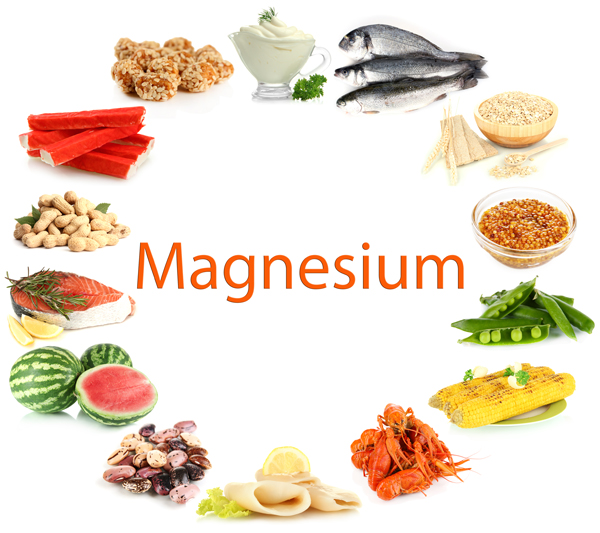
So it is vitally important to have this mineral in rich abundance for the body to use. To get you started, here are a list of the foods rich in magnesium, with the highest sources at the top.


Magnesium Enriched Foods


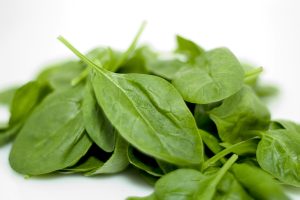
  • Dark leafy Greens (e.g. Spinach, Kale, Chard)
  • Nuts and Seeds (e.g. Pumpkin, sesame, brazil nuts, Almonds, Cashews)
  • Fish (e.g. Halibut, Mackerel, Pollock)
  • Beans and Lentils (e.g. White beans, French beans, kidney beans, chick peas)
  • Whole Grains (e.g. Quinoa, Millet, Buckwheat, wild rice) – Stay away from gluten grains.
  • Avocados
  • Organic Full Fat probiotic Yoghurt
  • Bananas
  • Dried Herbs and Spices
  • Dark Chocolate


The foods above should be in your diet at some level every day, leafy greens are an awesome way to boost magnesium levels. spinachBy using this list as a guide you can at least start making sure that you are addressing shortfalls. However, since we are talking about training and performance, you will struggle to get in enough magnesium by food alone.
There are also numerous benefits that magnesium supplementation can give you in improving your training, performance and recovery. Many athletes and martial artists do not consume enough of this vital mineral, which can lead to reduced exercise capacity, poor post-exercise muscle recovery and impaired performance.

Now I want to look at the role magnesium plays in not only healthy physiological function but more importantly, why you, as an athlete or martial artist, need to supplement magnesium as a regular part of your nutrition program.

It is well proven that Magnesium increases physical performance in athletes. It is a vital nutrient that is involved in many important physiological processes including energy production, muscle function, muscle relaxation, bone formation, digestion,  keeping our cells healthy and assisting in the proper functioning of vital organs including the heart, kidneys, adrenals and our central nervous system. All of these processes are essential for any athlete or martial artist who want to perform at a high level.

Since Magnesium is necessary for over 300 processes within the body – quite a staggering amount and more than any other mineral that our body uses. One of the things Magnesium is involved in is that it has a vital role in cellular energy production. It is needed for the production of the body’s major form of energy – ATP (adenosine triphosphate – see my article in the august issue of MAI for optimum nutrition performance to see why ATP is so important).

So a deficiency of magnesium can make you feel tired and low in energy, it can also lead to insomnia, migraines, muscle weakness, hormone imbalances, weak bones, muscle tension, irritability and anxiety.

One scientific study on magnesium found that female endurance athletes who took magnesium supplements were able to run at maximal intensity for longer, and had increased VO2 max. With that in mind, magnesium increases the energy production in your body so if you want some extra energy to help you go harder for longer, make sure you increase magnesium rich food or supplement it with your diet.


Muscle Recovery

Since magnesium is involved with muscles cells, Magnesium depletion can also be associated with structural damage to muscle cells, which impairs post-exercise muscle recovery. Magnesium is crucial for maintaining muscle health, and assists in recovery after exercise.

A recent study on the use of magnesium in 1,453 adults demonstrated that higher serum (blood) magnesium levels were associated with better muscle integrity and function. This included grip strength, lower-leg muscle power, knee extension torque and ankle extension strength. These results highlight the importance of magnesium for improving muscle function and performance.


Muscle Cramping

Magnesium plays a vital role in muscle contraction and muscle relaxation. If your magnesium levels are low you are more susceptible to muscle cramping, which can often be reversed with the addition of magnesium supplements.

In one research trial, swimmers taking magnesium supplements during their training and competitions found an 86% reduction in muscle cramps. The reductions occurred after only three days of supplementation.

If muscle cramps are an issue for you, adding some extra magnesium to your supplement regime is a must.


Poor Sleep

Training at a high level, it is vital that you get as much rest as possible. If you suffer from magnesium deficiency you will most likely suffer from poor sleep as your muscles struggle to relax. Magnesium stabilises the electrical activity in nervous and muscular tissues where it produces a relaxing effect. This is why I often call magnesium “the great relaxer”, as it really helps the entire nervous system to relax. Thus it is excellent for those with stress, poor sleep and anxiety or panic attacks.


Fat Loss

As with all training, to be at your best you need to be in great shape. Which means having a diet devoid of processed foods, wheat dairy and other toxins that the liver has to deal with. When the liver is over stressed due to the toxic load, it cannot begin to strip away fat until this is addressed.

The liver uses a lot of magnesium in nutrient processing, detoxifying and energy production in the body. Without magnesium these processes would not take place and the liver would struggle to process toxins and the ability to metabolise fat would be impaired.


Fluid replacement

As we discussed the article “The Hydration Equation”, for athletes to perform at their best they need to ensure that they are well hydrated and take in extra electrolytes lost during intense exercise.

One such critical electrolyte is magnesium, with the others being potassium and sodium. It is important for you as martial artists or athletes to replace magnesium as intensive training can lead to depletion via sweat and urination.

Before you reach for an energy drink though, STOP! Most of the commercially available ones you can buy are of poor quality and any nutrients added are NOT enough anyway.

As well as proper nutrition, make sure you are adequately hydrated and immediately after training replace lost electrolytes by drinking coconut water, which contains all of the electrolytes your body requires, including magnesium, which is way better than any sports drink and is from a natural source!


Magnesium Supplementation
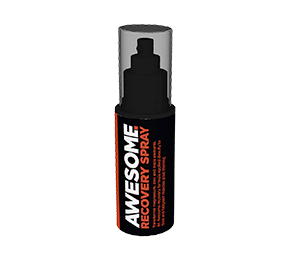
recovery-spray-supplementBecoming deficient in magnesium, it is often difficult to restore the levels back to normal, particularly if you do not take supplements. As I have mentioned people in general and especially athletes/martial artists are magnesium deficient; therefore, supplemental magnesium is an important part of any serious athlete’s nutritional program. However, not all magnesium supplements are created equal.

The type of magnesium you choose is important, as some forms can cause gastric discomfort or diarrhoea (the last thing you want during your training!).

As with most things, the more you pay the better quality supplements you will gain. Cheap supermarket brands or brands from chemists are usually of poor quality, usually in the form of magnesium oxide, which is poorly absorbed by the body and can create a laxative effect.

When taken orally, you want to be making sure that you take it regularly in the form of Magnesium orotate, chelate, phosphate and citrate, these are better absorbed than poorer forms and is very easy to do.

If you take magnesium capsules, look to be taking 400mg per day, the best time to take it is in the evening if you find that your sleep is suffering.

To get the most from magnesium supplementation however, you want to be using transdermal magnesium oil, which you apply to the skin. This has the advantage of bypassing the digestion process and so up to 80% is absorbed over 20-30% in capsule form. In general the best time to apply this is after you take a shower or bath in the evening. However, if you suffer from muscle cramping then apply the oil in that area as and when needed. If not apply over a large surface area such as your back or chest for better absorption. An alternative to the spray is the made by lean greens if you would like to take capsules instead of the spray.

If you struggle with eating vegetables and are not keen on the magnesium rich foods, I would also recommend you look at a greens drink. These drinks contain massive amounts of minerals including magnesium and are derived from natural sources such as kale, broccoli and spinach. I personally take lean greens as it is great tasting and I have seen great improvements in performance when taking it ( )

So if you are serious about your training, want to increase your performance, then make sure you have all the bases covered when it comes to this essential mineral.

The following guide will help you get the most out of your training…


Guide for Maximum Magnesium levels:

  • Avoid eating gluten (bread, pasta, sauces from super markets etc)
  • Eat as much raw foods containing magnesium as you can to avoid the cooking process destroying it.
  • Minimise Alcohol consumption
  • Look to eat the freshest, organic fruits and vegetables. Pesticides and herbicides deplete magnesium as it is used in conjunction with the liver to rid the body of these toxins
  • This is a no brainer for general health but it bears repeating. Avoid refined sugars (i.e. artificial sweeteners, corn syrup etc)
  • If you use salt, use Himalayan salt or sea salt
  • Drink clean water. Tap water contains hundreds of contaminants such as herbicides, pesticides, heavy metals and in some cases fluoride, which all deplete magnesium. So buy a water filter of buy bottled mineral water.
  • Keep away from Refined and processed foods
  • Remove caffeine from your diet. As a stimulant it invokes cortisol, our stress hormone.
  • Look at proper stress management, reduce the levels of stress in your life.
  • Introduce as many magnesium rich foods in your diet as possible.
  • Supplement magnesium in the form of a spray, which you apply to the skin for maximum absorption or
  • Look at taking a greens drink, which contain loads of nutrients including high levels of magnesium. My recommendation is Lean greens, which you can buy here


By taking these steps you will go a long way in improving your training performances.


To your strength and Health


Dean

(Reproduced from my Article in Martial Arts Illustrated )

comments-ask

Read More
optimum nutrition
Fat Loss, Health, Martial Arts, Nutrition, performance nutrition, Uncategorized

Optimum Performance Nutrition

Last month’s article in Martial Arts Illustrated, I outlined one of the most important things with regards to overall health and performance, which was water. It is often disregarded and over looked when it comes to getting the most out of training and competition.

With that in mind, this month we are going to look at what you should consider when you are looking for optimum performance in your training and when competing.

As humans it is in our nature to look for a magic pill to instantly make us lean and strong. Of course supplement companies know this, it is big business and is why you will see more and more products promising you that their new supplement will give you exactly that.

Before you go head long into buying these though, you need to ask yourself will this funky coloured drink actually help you at all? Do you know what the ingredients are and what they are supposed to do?

So let’s address what optimum nutrition is and how we can use it to get the best results.

Nutrition is Key

When going into any training program it is important to realise that you will get the best results if you follow a regimented nutrition program. Do not leave this to chance!

To perform at your best you have to be aware of what the right fuel is for energising your body and for building your body. This can have a major impact on your performance and the results you want.

I am going to make a bold statement here….

“If you cannot get your training nutrition right, you are wasting your time in the gym”

Optimum nutrition is key to the gains you attain and the results you get through proper fueling of muscles to train and to recover. If you have a great strength & conditioning program in place, but neglect your nutrition, performance will suffer because of it. To get the most of what you are doing combine optimal training WITH optimal nutrition, otherwise you may just find yourself wanting.

Diet myths that will affect performance

Through the years I have read countless things about the best things to eat and the best ways to eat it. I bought into a whole host of things way back when, it is easy to when you don’t know any different. So I thought I would explode a few diet myths that you may think are true…


1) You must eat every 2-3 hours

It takes you gut around 6 hours to digest a meal. Eating every 2-3 hours will wreak havoc on you digestive system. Putting new digesting food on top of older digesting food places an enormous stress on your gut, it also puts an increased strain on your liver, which can become over stressed as it constantly tries to process any toxins. This also impairs the livers ability to metabolise fat.

A long time ago our ancestors were hunter gatherers and never ate so much!

This myth was started back in the 70’s by nutrition companies looking to increase sales. It is almost impossible to eat 6 meals a day and so it was recommended to have low quality “body building” supplements and protein powders to make up the deficit. Although supplements are excellent for performance they should NEVER be a meal replacement.

Look to pack in 3 nutrient dense meals every day.


 2) Eat less and move more

The old adage of eating less and moving more for getting into shape has been around for a long time. Unfortunately our bodies are for more complex and have far more going on day by day for this rule to apply. This does not take into account hormonal state, inflammation or how well we digest food based on how healthy our guts are. Everyone one of these can and will affect how your body responds to what you eat, how it is absorbed and how you train.


3) If I don’t eat I will lose muscle!

This is something I bought into for a long time. That if you don’t eat at least every 3 hours all your hard work and muscle gains disappear as your body goes into a catabolic state and uses your muscles for fuel.

Utter garbage! Our bodies are designed to go without food for up to 92 hours before there is an adverse change in our metabolism. Again this goes back to our hunter gatherer days and yes that still applies, human evolution takes way longer that the technology revolution of today.

This myth again was perpetuated by supplement companies looking to profit on this one.

Carbohydrates are NOT Created Equal!

There has never been so much confusion regarding the role of carbohydrates and the type that we should and shouldn’t be eating. To be honest I remember a time when I was the same, what you should eat, what you shouldn’t eat and one piece of advice conflicting the next. Believe me I understand the confusion.

I have travelled the world to train and learn from different nutrition experts and guess what? They all had a common theme with their nutrition principles. This is no coincidence!

One thing I always do before I recommend any type of new nutrition protocol is to try it out myself. I cannot expect to know the kind of result for my clients if I haven’t tried it out first. Now I am well aware that everyone is different but the principles remain the same, only the method of delivery would change depending on whether you want fat loss, muscle gain or the best of both worlds.

Carbohydrates from junk food are NOT the same as carbohydrates from good food choices. If you want to perform at your best your carbs should come from mainly fruits and vegetables or gluten free grains.

Don’t kid yourself that 100 calories from a chocolate bar is the same as a 100 calories from broccoli, it just doesn’t cut it when you are looking at optimum performance nutrition.


Refueling is Essential

The other important factor regarding carbohydrates is that for optimum performance they are critical. Low carb diets will not let you perform at your best. Simply put low carbohydrates = low glycogen (energy) levels. Eating the right amounts and the right time is one of the most important nutritional considerations that you can do for fat loss and maximise productivity from your exercise regime.

The dominant energy supplies are dependent on exercise duration. After around just 45 seconds muscle glycogen is very important for energy supply.

The type of fuel your body uses depends on the energy demands of a given sport, given that martial arts is explosive in nature, it is important to optimise energy requirements as the following table illustrates.


DurationEnergy ClassificationEnergy Supply
1 – 4 secondsAnaerobicATP (in Muscles)
4 – 10 secondsAnaerobicATP + CP
10 – 45 secondsAnaerobicATP + CP + Muscle Glycogen
45 – 2 minutesAnaerobic, LacticMuscle Glycogen
2 – 4 minutesAnaerobic + AerobicMuscle Glycogen + Lactic Acid
4 – 10 minutesAerobicMuscle Glycogen + Fatty Acids


The primary fuel for exercise is ATP and it is much easier for the body to breakdown muscle glycogen and blood glucose into ATP than it is to breakdown fat.

Nutrient Timing

Not only is what you eat important, but when you eat is just as crucial to maximise the growth cycle over 24 hours, enhance recovery and increase your muscle strength and power. This requires that you understand the breakdown of 3 phases.


Energy Phase

During a training session, you must be able to release enough energy to perform the task at hand. The energy required for peak muscle contraction during your training session has to be sufficient, otherwise your performance will suffer.


Anabolic Phase

Immediately after and up to 45 minutes to an hour after a training session is the “Post Workout Window”. Your body’s stores are depleted and this is the most important time to refuel with the right combination of nutrients to repair damaged muscle protein and replenish your muscles glycogen (energy) stores.


Growth Phase

From the moment the anabolic phase ends to your next training session is when your body has to rest, recover and grow. This is when the right nutrients, rest and recovery are critical for optimum results.


Pre workout nutrition

Pre workout nutrition can hand you a big advantage in your training and I would say absolutely essential if you are looking Amino Work Capacityfor that extra edge in training. By far the best thing to use pre workout are branch chain amino acids (BCAA’s). Supplementing with BCAA’s prevents the body breaking down muscle tissue for energy as they are already available in the blood. It also triggers the release of anabolic hormones which increases both testosterone and growth hormone, essential for both growth and repair.

There are some great BCAA formulations out there, but you can also just buy BCAA powder, mix with water and get it in!

One other thing you can use is coconut oil. I cannot speak highly enough about coconut oil. It is full of medium chain triglycerides (MCT), which is great for instant energy that can be used by the body immediately. It also does not spike insulin like carbohydrates either which is a bonus. Look to take on 1 or 2 tablespoons pre workout.


During training

As long as you get your pre workout nutrition right, any exercise lasting less than around 75 minutes should only require water. There is no need to drink energy drinks at all! Most of the commercially available ones you can buy are of poor quality and any nutrients added are NOT enough anyway.

If you feel you must have an extra kick you can mix BCAA powder with water and sip it throughout training.


Post work out nutrition

There has been boat loads of research done on the best time to refuel after training as fighters, athletes and the weekend warrior look to get the most out of their training sessions. Unfortunately even though there is some great information out there it can still be confusing as there are a lot of supplement companies producing products that have too many unnecessary ingredients, especially artificial sweeteners and colourings. It is easy to be tempted by these, so let me help you cut through the crap.

The post workout window is the best time to load up on nutrients after they have been depleted following a hard training session and lasts about an hour after training. That is not to say that your time has been wasted if you miss this window, however it certainly is the best time to use supplementation to maximise your training gains.

The following supplements are what I have found to work really well post workout:

  • Creatine
  • Protein
  • Fast absorbing carbohydrates
  • BCAA’s
  • Glutamine

Each of these has a part to play and I can vouch for every one of them personally and with the fighters I train who get excellent results.

Creatine has been researched to death and is proven to aid in increasing muscle energy (ATP). This doesn’t just happen straight away though, taking creatine consistently PWO over a prolonged period makes sure the muscles get fully saturated ready for the next training session.

Protein provides the building blocks for our bodies to repair and PWO is a crucial time as they look to repair after a grueling session. Unfortunately there are a lot of poor protein powders on the market, loaded with poor quality whey protein. This can cause stomach bloating, which I see a lot (ever seen a MMA fighter with a 6 pack but their stomachs look distended?) inflammation and excess mucus production. Remember whey is a byproduct of the dairy industry and most people cannot tolerate the lactose it contains. If you can get a good quality grass fed whey protein and you do not react to lactose then great, otherwise look to getting a vegan alternative containing rice, pea and hemp protein.

There are a lot of people who are trying to cut weight (read fat) and so don’t take carbohydrates post workout. This is a mistake. The quickest and most effective way to shuttle nutrients into your cells is by using or spiking the hormone insulin. Many believe it is a fat storage hormone and can be if your diet is poor. What it actually is, is a storage hormone, which can store vital nutrients for growth and repair. Post workout, fast absorbing carbohydrates such as maltodextrin or waxy maize starch will spike insulin and will take protein into to cells rapidly. PWO you are looking at a ratio of 2:1 carbs to protein.

BCAA’s are great both pre and post workout, I am seeing more and more PWO formulas containing them.

Glutamine is considered an anabolic amino acid and as well as helping repair the gut and intestinal tract it has been shown not only to stimulate the entry of other amino acids into our cells but in a recent study at Oxford University, glutamine was shown to lessen the effects of overtraining.

It is hard to find formulas with all of these supplements in, I personally make my own, combining these together.  If you are on a budget, definitely go for protein, carbs and creatine for the most bang for your buck.

Biona organic-virgin-coconut-oil

Quick Start Guide

  • Start each day with a pint of clean water with the juice of one whole lemon in to aid digestive health
  • Look to get 3 nutrient dense meals in per day. It takes approximately 6 hours for a meal to pass through the gut.
  • make sure your hydration is addressed (The Hydration Equation)
  • Eat only real whole foods (organic if possible)
  • Aim to shop for fresh foods every 3-4 days
  • avoid processed / fake foods
  • Add coconut oil to your diet
  • rotate your foods to maximise vitamin / minerals whilst reducing the chance of developing food intolerances
  • Eat as many greens as possible, loaded with nutrients these are awesome for max performance.
  • Look to get the majority of your carbohydrates from fruits and vegetables.
  • Use pre and post workout supplementation for maximising your training effort.
  • post workout is the only time you should consider starchy carbohydrates
  • limit your intake of inflammatory foods
  • don’t eat 2 hours before bed
  • limit alcohol to once per week if you must drink and look at the cleanest sources e.g. Vodka/soda/lime juice


To your strength and Health


Dean

(Article Originally written for Martial Arts Illustrated Magazine )

comments-ask

Read More
water
Nutrition

The Hydration Equation

As a performance coach it is imperative I know how the body works nutritionally. It is no good working on strength and body composition without one of the biggest pieces of the jigsaw.

If you get your nutrition right then everything falls into place, your energy increases, aches and pains can go away, abs can appear, fat can melt and you will feel so much better!

As my friend and mentor Geoff Thompson says, master the palate and you can master anything. Geoff is a massive believer in getting your palate right, because it is the hardest thing to master. Master the palate and you can apply that same knowledge to anything else you do, it is that powerful.

I want to delve  into how the body works and how by addressing your nutrition with a more holistic approach you are able to harness your energy and be able to push yourself that much further.

There is one thing above all else that can have a massive impact on your health,  training and performance.

What am I talking about?


WATER!!


I am amazed how many people don’t utilise water as they should. Nearly every client I have collaborated with has had sub optimal hydration when questioned in our initial meeting.

The first thing I check when someone comes to me for help for weight loss or performance is how much clean water they are drinking, and I mean Clean water, Tea, coffee and energy drinks DO NOT COUNT!! If anything they add the hydration problem as they all affect adrenal function and insulin production as they are stimulants and can actually dehydrate you!

Without even focusing on training, most people are in a state of dehydration every day, which can lead to all manner of general health issues such as:

  • Low back pain
  • Neck pain
  • Angina
  • Headaches
  • Depression
  • High blood pressure
  • Pain
  • High cholesterol
  • Weight gain
  • Asthma
  • Allergies
  • Diabetes

So you can see immediately that if we are not sufficiently hydrated then a lot of bodily functions will simply not perform. Chronic dehydration can lead to all kinds of health issues.


Water in Performance

From a performance perspective a lack of water also affects our movement, strength and endurance, the absolute last thing that you want to happen when competing.

The following table describes how much water is involved in critical processes:


Brain functionWater composes 75% of your brain. If your brain is dehydrated everything else is going to suffer including performance


Blood flowWater makes up 83% of your blood, if you are dehydrated your blood becomes thicker and your heart has to work harder to get nutrients to cells and remove waste processes from the body as a result of exercise such as lactic acid.


Temperature regulationOur body loses water and other minerals through sweating. This is vital to maintain the correct core body temperature, this is why it is so important to take plenty water on board when training


Joint healthThe synovial fluid that protects our joints is made up of water, dehydration means aches and pains and possible injury in the joints if they are not lubricated


Nutrient absorptionIf our cells are dehydrated then it is harder for them to absorb the nutrients you need to function as their function is impaired.


Energy productionUsed for digestion to move digested food through or intestines to allow us to absorb vital nutrients, if there isn’t enough we will not get the nutrients we need or allow our digestive system to work properly.


Muscle ContractionOur muscles are around 75% water and is vital to proper muscle contraction and waste disposal. If you lose even just 3% of this water causes a 10% drop in strength and an 8% loss in speed


As well as general health issues, being dehydrated has SERIOUS implications in your training and how you perform.

A person is considered dehydrated if they have lost 2 percent of their body weight via sweating. Blood volume is heavily reliant on adequate water, if dehydration occurs and blood volume drops your body has to work harder to pump blood round the body, making it harder to get vital nutrients to our cells, especially under load such as exercise. This may also lead to muscle cramping, fatigue, dizziness and the effects of heat stroke.

Common causes of dehydration, especially in athletes such as martial artists and people who exercise in general are:

  • Inadequate fluid intake
  • Excessive sweating
  • Failure to replace fluid losses during and after exercise
  • Exercising in dry, hot weather
  • Drinking only when thirsty

Water intake is essential for everyone. We perspire around 500 ml of water through sweating during the night alone, so it is imperative that you start hydrating as soon as you wake.


Rule of Thumb

Although it is impossible to provide specific recommendation to individuals, as a rule of thumb for every 50lb of body weight you should be drinking 1 litre of water and you should increase it if you are training.

The other way is to monitor the colour of your urine.  Light coloured, diluted urine probably means you are hydrated; dark coloured, concentrated urine probably means you are dehydrated. See the chart to get an idea about your hydration.

Whilst drinking water and hydrating through the day requires only water, when you are training there are other factors to consider with hydration. When we sweat we lose vital minerals from our bodies including sodium and potassium, electrolytes essential in the uptake of water into the body.

Sports drink manufacturers have been quick to jump on this and create all manner of sports drinks all marketed to replenish the body with energy and minerals etc. Another way to convince athletes that it is vital to drink them.

Unfortunately nothing could be further from the truth!


The Sports Drink Phenomenon

Whilst exercising the single most reason why you become dehydrated

According to the Institute of Medicine the need for carbohydrate and electrolytes replacement during exercise depends on exercise intensity, duration, weather and individual differences in sweat rates. Sodium and potassium are to help replace sweat electrolyte losses, and sodium also helps to stimulate thirst. Carbohydrate provides energy for exercise over 60-90 minutes.

However these drinks are vastly overrated and are not needed unless you are performing ultra endurance events. The sugar is of poor quality and won’t actually fuel your body and the minerals and extra stimulants are either not needed (again unless you are competing in ultra endurance events) or they are in such small quantities that it makes no difference and are more of a marketing gimmick!

When you are going to train, you are better off adding 10g of Branch Chain Amino Acids (BCAA’s) to water and drinking it 30 minutes before training. When muscle glycogen is broken down by the body to use for fuel, it is BCAA’s that is used for energy. By adding them to the blood stream already, they are immediately used as fuel.


Coconut Water

Instead of using a sports drink, consider using coconut water at the end of a training session.coconuts

Apart from it being a natural product (make sure you check different brands for what they add in) It is better for rehydration and electrolytes than any sports drink, for example, it is in fact an all-natural sports drink without all the sugar and artificial ingredients that are in sports drinks. The only sugars are from the coconut water itself. It is also full of magnesium and potassium, which enhances the body’s ability to hydrate after intense exercise.


Water Quality

In the UK tap water is treated with a large number of chemicals in order to kill bacteria and other microorganisms. In addition, it may contain other undesirable contaminants like toxic metal salts, hormones and pesticides, or it may become contaminated by chemicals or microbes within pipes (e.g. lead, bacteria, protozoa).

Here’s an example of what’s frequently found in tap water that we drink every day:
Chlorine, Fluorine compounds, Trihalomethanes, Cryptosporidium, salts of: arsenic, radium, aluminum, copper, lead, mercury, cadmium, barium, hormones, nitrates and pesticides.

In fact over 350 CHEMICALS have been found in UK tap water supplies. These chemicals can lead to LOTS of health issues. Including the displacement of iodine from the thyroid gland.

So make sure you drink bottled water or better yet get a water filter that fits under the sink and attaches to your mains supply.


Action plan:

  • Drink 1 litre of clean water for every 50lb bodyweight during the day and increase it if you are exercising
  • Drink 1 pint of water every morning on waking with the juice of one lemon to help digestion and detoxify the liver
  • Drink a glass of water with lemon 15-20 minutes before eating your main meal to naturally boost your levels of HCL in the gut.
  • Drink bottled mineral water or install a water filter, there are too many chemicals left in our water that can affect our health.
  • Stop drinking sports drink completely (training or not) only drink water for performance gains.
  • If you want energy for a strenuous training session, add some BCAA’s to your water before and during your training session.
  • Hydrate with water during training and if you need to replace lost electrolytes, drink coconut water at the end of your training session.

Never before has nutrition been so complicated, with so many diet company’s vying for attention, creating more and more “magic pills”, meal replacement shakes playing on our lack of knowledge to sell us their products. My number one goal is to help as many people as possible to understand nutrition better and cut through at the BS.

yours in Health


Dean

comments-ask

Read More
Dean Coulson - Kenn Forrest
Fat Loss, Health, Nutrition

World Champion Kenn Forrest Interview

There is too much information out there regarding nutrition that is complete rubbish. It has never been more confusing to know what to eat or not eat these days.

There is too much focus on weight loss and fat loss and food manufacturers creating products that you “think” you need, when in fact you don’t. Low fat, low carb, no carb, high protein, calorie restriction, fasting, magic pills, meal replacement shakes etc.; the list is endless as more and more people jump on the bandwagon.

Nutrition is simple, but I find that some people find it harder than others to implement. We have become a nation of convenience and in this fast-paced world most problems are because people claim they have no time. I would argue that they have got their priorities wrong. Your health is the most important thing you could possibly have and you need to spend time looking after yourself!

The thing is, for people what want to look and feel great, health should be the main focus not fat-loss. If you get health right then fat loss happens anyway, it is a side-effect of your body not needing to store it because of the food choices you make.

There are lots of ways to lose fat, the diet and nutrition industry is full of them, making bold marketing claims, but how often do these regimes or programs, pills or shakes actually make you healthy??

Coaches and trainers are always proclaiming that they can make you lean and mean in X amount of weeks, with no obvious emphasis on health. You can look fit on the outside and be unhealthy on the inside.

Why are they not advertising that they can make people super healthy?

What if health gave you…

  • More energy
  • Better sleep
  • Got rid of aches and pains)?
  • Made you leaner?

Health means all of those things and more!

It seems people are too focussed on how they look on the outside, when in fact, if they concentrated on the inside; the outside takes care of itself including fat loss. Perhaps as long as you can fit into your skinny jeans it doesn’t matter, despite feeling tired, run down, have poor concentration, sleeping badly, no libido etc etc.

Don’t get me wrong being lean is cool and important for long term health, but I would much rather make someone AWESOME and HEALTHY than lean.

In my capacity as a performance coach, I interview everyone before I work with them on a 1 to 1 basis. For me it is essential that I understand their needs and they understand how I work and why.

One such client is none other than Kenn Forrest, multiple world kickboxing champion and winner of many other fights I couldn’t possible include here. I thought what better way than to interview my long time friend and personal training client. As you may know Kenn takes on all comers as part of Alfie Lewis’s Mushin Kai team and always provides a master class in fighting to help the Mushin Kai team.

I caught up with Kenn to go through with him how adjusting his nutrition made a huge difference to how he prepared for the Clash and all his other fights over the last 2 years.


DC: Hi Kenn, firstly, congratulations to you and the rest of Mushin Kai for the win at MAI’s Clash, it was an epic night and one I shall remember for a long time. I wanted to get right into it by asking what your regime was nutritionally before we started to work together?

KF: Thanks Dean. It was an epic night we all from Mushin Kai loved CLASH. It’s exactly as it says in the tin. I love fighting at that event. Ok then, food. That’s all it was to me before we started to work together. FOOD. Nothing more nothing less. Like most people with a sporting background you have a healthier approach to it but I used to eat when I was hungry then “treat” myself with something after I trained.


DC: I know you have been very successful before our collaboration, but how did eating as you just mentioned work for you?

KF: It worked because I made it work. Failing isn’t an option for me. I once fought a fight with a broken hand, trained and competed with it. It didn’t help me at all but I made the best of it. That’s how I view my old style of eating now when I look back on it, no help to me.


DC:  There are a lot of people who think they eat healthy when in fact they don’t. It all depends on what they have been led to believe by food manufacturers and supermarkets. I think that they would be quite surprised at what actually is healthy and what isn’t. I know you were very surprised when we first sat down and outlined your nutrition programme. What was the biggest shock to you?

KF: I would say white rice and pasta was probably the thing I questioned within myself the most out of all the things I had to change. After all they were my main pre competition meals as a carb loader. Now I see I was loading poisons and it was actually detrimental to what I wanted to achieve.


DC: How easy was the transition? Was there anything that helped you change your approach?

KF: Very easy if I’m honest. As I said earlier food was just food to me but I was brought up on all home cooked food and now as a family man we bring our boys up on home cooked food. So to eliminate or change ingredients was easy. But I can see how those who eat processed food would find it hard as they are only heating what someone else has put together.


DC: You hit the nail on the head there, processed food isn’t really food at all, in fact it is a dead food, mostly devoid of any useful nutrients for the body and usually loaded full of sugar, wheat, dairy and additives. They actually rob the body of nutrients because the liver has to work extra hard eliminating the toxins. It also causes inflammation which the body has to deal with. Would you say that with the new regime in place you felt like you have more energy and had less aches and pains, things you may have put down to something else in the past?

KF:  As you all well know, I’m not getting any younger. I’m coming up 38 now and still compete at a high level usually against guys in their earlier twenties. I never feel I don’t have the energy to compete against them now. Before we started to work together I was very close to going to the doctors to be tested for arthritis. My hips mainly would ache a lot; also it felt like was just getting warm as my session was ending. I don’t have that issue any more.


DC: Getting back to change, I think when someone has a solid reason for wanting to change it makes the transition easier. After 4 weeks with your new nutrition plan, you actually lost 23lb that is a staggering amount. How did you feel in yourself and what affect did it have on your training?

KF: yes that’s right 23 lb in 4 weeks. At first I thought it was just the weight loss that was making me feel great as anyone would. I was moving better, faster and for longer. But as I reached the weight I was best at and the feel good factor continued I knew then it wasn’t what I had lost which made me perform better; it was the fuel I was putting in me. To back this theory up, as you know I now do my conditioning training with you wearing a 10kg weight vest. That’s 23lb, the weight I have lost and I can still do far more for longer than I could when I didn’t have the right nutrition plan.


DC: You were certainly moving quicker. How do you maintain your nutrition? Personally it is all about experimenting with ingredients and trying new things out, making it interesting. Is there anything you do in this regard?

KF: You answered that for me there Dean. It’s all new and interesting. Don’t just eat the same old same old. I love cooking and trying new dishes. Preparing everything from scratch is a perfect way to relax for me. In this ever fast moving world its great on a weekend to just slow the pace down relax and enjoy how good life is. Taking your time preparing the food to Cook for the family and enjoy it together.


DC: I think people now see eating as a chore and something to just get out of the way, without any regard to the consequences. I know a lot of people that come to work with me have layers of excuses as to why they eat things or cannot give them up. I think going into that is an article in itself. Was there anything you felt was hard to give up?

KF: Bread was the hardest thing for me to give up.


DC: What are the biggest mindset shifts you have taken from this nutrition approach?

KF: I think the fact that you don’t have to carb load, it is very much a myth and only really would have any benefit with an endurance event such as cycling. The other thing is do not blindly accept that all sports nutrition is best for your health. Always focus on health first, concentrate on working on the inside and the outside takes care of itself.


DC: You have a great nutrition program in place, but you have to have the correct mindset first. I mentioned earlier about knowing why you want to make a change can have a massive impact on your success. It can be easy to regress back to old habits as changing how you eat can be a challenge.

How did you handle that? What did you do to make these new eating habits stick?

KF: I don’t feel like I have to work on making them stick to be honest. I feel so much healthier now I would not want to go back. It would be like giving myself a hangover every morning. But I think what did assist a lot was my wife who also trains was and is 100% behind me. We cook as a family and eat as one. It’s not like I’m the only one in the house with my labelled food or specially prepared packs other diets may push.


DC: That’s Great. Finally then Kenn, are there any tips you can give the readers with regards to changing how you think about food? Especially when you have goals such as you have?

KF: The martial arts are a passion for me. If I spend about 20 hours every week in the dojo drilling out bad habits why spend my spare time adding them. Many fighters give up alcohol for weeks before they fight; this is not normally for weight loss, it’s because it restricts your training and the amount you would train if you weren’t feeling your best. So why not look at what foods have detrimental effects on your training?


DC: Thanks very much, I cannot wait to work together for your next fight.

KF: Thank you Dean. As always it’s been a pleasure.


Remember guys. The fuel you put into your body will affect your performance. make sure you are fuelled up right to reach the levels Kenn has.


To your strength and health


Dean Coulson

(Article Reproduced from Martial Arts Illustrated magazine http://www.martialartsunltd.co.uk/martial-arts-illustrated/magazines/362-june-2013)

comments-ask

Read More
greens drink
Nutrition

The Hulk is Green and Ripped Right?

greens drinkNo Matter what you think, there is a good chance that you are not getting in enough fruits and vegetables in your diet. The current recommendation is “getting your 5 a day”.
Unfortunately that recommendation is woefully inadequate and should be nearer 10. Plus the fact that most people think that having one sprig of Broccoli constitutes one.

One thing I am seeing more and more is Processed foods in super markets, or fruit juices claiming that they are “1 of your 5 a day”.

Utter bullshit!

Unless it is from source or prepared by your good self then it is highly unlikely that it is. Bought sauces from super markets or off the shelf fruit  juices  have barely enough in them to be worthwhile and most come with other ingredients to negate any effect, most to the detriment of your health not the benefit!

So let us assume for one moment that you are getting in the 5 or even 10 a day, we have to consider other elements. Todays intensive farming methods do not replenish the soil with the vitamins and minerals needed by the plants to absorb the nutrients we need.

More and More fertilisers are used to encourage fast growth without adequate uptake of these vital vitamins and minerals.

So what is the answer?

For me it’s always a good idea to take a high quality mixed greens supplement as a nutritional insurance policy. These have become more popular of late and I really think that this is the best “bang for your buck” supplement around at the moment.

I have tasted some horrendous versions in the past that have made me gag, however, a good friend of mine Paul Mort, a fellow nutrition expert has took it upon himself to formulate  one after many have fell short by way of taste and ingredients.

So what is this awesome drink I speak of and what makes it so special?

My favourite greens drink is…..

lean greens

In my opinion this is the highest quality and best tasting greens drink on the market. One of the things that separates lean greens from other similar products is that it also contains one of my other favourite supplements, digestive enzymes.

One thing that many people do not realise is that everything from the strength of your immune system to the appearance of your skin, to your ability to gain muscle and lose fat begins with a healthy digestive system.

Unfortunately, most people have very poor digestive health due to stress, poor food choices and a number of other factors. If you address and fix this problem you will be amazed at how much better you will  look and feel. This essentially eliminates the need for an extra digestive enzyme supplement.

What Is Lean Greens?

Lean Greens is a highly concentrated blend of nutrient, mineral and vitamin rich vegetables, grasses, berries and herbs, designed to get you healthier faster by increasing your oxygen levels, improving your digestion and aiding your liver.

Why Take Lean Greens?

This is a no brainer for me – to help get healthier very fast and get the body more vitamins, minerals and nutrients it needs to do so.

Let’s make one thing crystal clear, it is not a meal replacement, but added to a healthy diet it will help anyone wanting to lose weight as its low in calories, packed with nutrients that assist in fat loss and green tea to speed up metabolism.

It will also help with any mass building program as a great way to get nutrients it to feed those muscles and give you that ripped look

Better Than Caffeine?

Lean greens is alkaline in nature which mean it will give you a nice energy boost WITHOUT the jitters associated with
caffeine. I don’t drink coffee as I balance my diet and sleep so that I don’t need a “pick me up” in the morning, but for those of you who do, this is a awesome alternative!

How to take Lean Greens?

I always take mine in the morning. I just add it to water and chug it down. Lean greens also comes with a FREE smoothy recipe guide, with 20 recipes to make it taste even better!

In my opinion, there is no better supplement on the market at present. If you want to burn fat or build muscle, this bad boy should be in your arsenal!

To your strength and health

Dean Coulson

comments-ask


Read More