Reduce Stress, Maximise Performance?
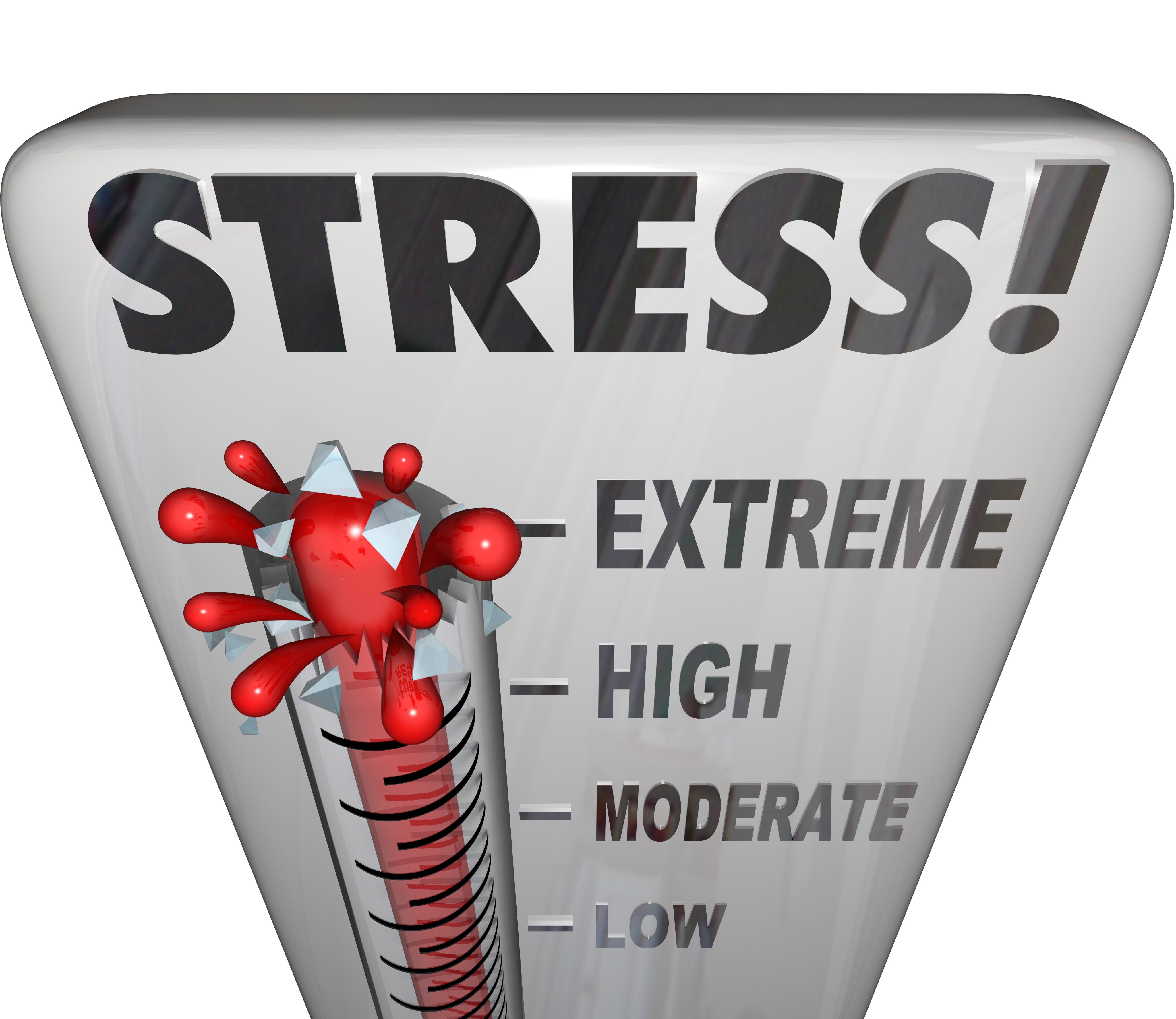
This month I wanted to cover why we are all in danger of getting burnt out by the stressful living we all seem to endure in this modern world we live in. Everything in life moves way too fast and our bodies just aren’t keeping up. Financial, relationship, work, nutrition, environmental and digestive stress are just some of the things that are having a major impact on your health and you may not even know it.
On top of that, being chronically stressed all the time will certainly hammer any performance gains, in fact the more stressed you are for longer, the fatter you will become.
Heres why….
The body is a complex animal, whilst we get on day by day doing our thing, our bodies are waging a constant struggle to keep things in balance, which we are completely oblivious to. You might feel stressed, but I am guessing you are not aware of the battle waging within your body.
The thing is, our bodies are simply not set up for this fast pace we find ourselves in. We evolved in nature and this is how our body still tries to act out.
Ever spent time away from the humdrum of life? With no technology around? Your brain switches off. “Getting away from it all” is of huge benefit to you and your health!
Our primal survival instinct is fight or flight (or freeze). When we are put under threat or stress our brains think our lives are in danger. It simply cannot distinguish between a sabre toothed tiger chasing us and the threat of a company deadline looming where you are pulling your hair out to achieve it. The response is identical.
The brain does not know the difference between psychological stress and physical stress. Under stress/threat your body still prepares for fight or flight, even though there is not a big cat chasing you!
Now this is great if we are about to jump on the matt for a competition or go for a grading, but in everyday life it is a different story.
Now that is great if your life is really in danger, but not if it is because you are doing a presentation at work.
Cortisol is the master stress hormone in your body. In times of stress the hypothalamus in your brain signals release of cortisol from your adrenal glands. Cortisol regulates the way your body uses various fuel sources, unlocking energy from the blood, muscles and fat cells to either run away or fight for your life and is essential for recovering energy for your body once the stress response subsides. When your adrenal glands are healthy you will produce around 40mg of cortisol per day.
Circadian Rhythms
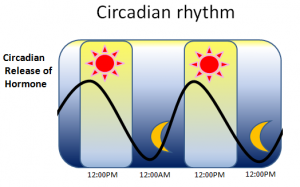
Cortisol production is an essential process within the body. It follows the circadian rhythms of your body over 24 hours. It naturally decreases in the evening and through the night to help promote sleep and then rises again in the early morning. The body allows it to rise to allow you to wake up and get moving. Once awake the cortisol levels present in early morning subside and continue to decline throughout the day.
Under normal circumstances your cortisol levels should fluctuate is a fairly rhythmic pattern.
The Problem with Excess!
When there is too much cortisol in the body brought on by stress, amino acids usually used for protein synthesis in the body are shuttled straight to the liver to be used for energy instead.
The Primary Role of Cortisol is to Help Mobilise energy for fuel
So if you are involved in a strength program to build mass you may actually experience decreased muscles mass and increased fat storage if you have too much cortisol. You must take steps to reduce your stress/cortisol levels. Cortisol in the number one reason why athletes of all levels from recreational weekend warriors to pro level take 2 steps forwards and one step back in their training.
Remember the less stress in your life the more material you have for growth and repair. It is exceptionally difficult to be lean and healthy if you cannot control stress.
The biological stress response is supposed to be short to get you out of danger. If you are chronically exposed to it day in day out It will affect your health and performance. As mentioned before, body fat levels will increase. Prolonged exposure to Cortisol with elevate blood sugar for energy and will be stored as fat, especially in front of your abs!
Cortisol is one of the main reasons why you struggle to remove that layer of lard around you middle.
When there is too much cortisol coursing through your veins, your liver removes it as much as it can acting as a filter. The abdominal fat cells are used to remove cortisol from the blood. These fat cells have 4 times the amount of cortisol receptors than elsewhere in the body, making them respond strongly to fat storage when you are continually in a stressed state.
Excessive cortisol stimulates your appetite, since it is mobilising energy to deal with stress, it will make you crave sugary, high fat food.
When there is too much sugar in the blood, insulin steps in and removes it and puts any excess into your fat cells!
Adrenal Fatigue
Adrenaline is a hormone produced by the adrenal glands and is also released in response to stress along with cortisol.
The main purpose of the adrenals is to allow the body deal with all types of stress from injury to disease or work and relationships.
Adrenaline released for short periods is not a big deal but becomes problematic when it is prolonged. When adrenaline is constantly being released the adrenals become exhausted and wear out.
Adrenaline is highly inflammatory and causes a subsequent increase in cortisol to drive down the inflammation.
Adrenaline resistance comes from too much stress: work, poor sleep, relationships, financial, excess caffeine consumption, stimulants like most fat burners, too much intense exercise.
Balance adrenaline by adding in more restoration activities: swimming, tai chi, Qi gung, yoga, joint mobility, meditation, massages, vacations.
Signs of Adrenal Fatigue
Check out the list below to see if you or someone you know can relate to any of the symptoms. If many of these seems familiar, then there is a good chance you are suffering from some form of low adrenal function or fatigue.
- Difficulty getting up in the morning
- Continuing fatigue, which is not relieved by sleeping
- Cravings for salt or salty foods
- Lethargy or lack of energy
- Increased effort to do everyday tasks
- Decreased Sex Drive
- Decreased Ability to handle stress
- Increased time to recover from an illness
- Light headed when standing up quickly
- Mild Depression
- Less enjoyment and happiness with life
- Symptoms get worse if meals are skipped
- Thoughts foggy instead of sharp and focussed
- Memory is less accurate
- Decreased tolerance of anything
- Decreased productivity
If you are relating to at least 3 of these symptoms then it is time to change your lifestyle to do something about it.
Steps to Reduce Excess Cortisol & Adrenal Fatigue
- Sleep – Aim to get at least 8 hours of quality sleep per night. Lack of good sleep can lead to excessive daytime tiredness and lethargy, morning headaches, poor memory, anxiety and depression. Remember Cortisol follows a similar sleep pattern. If you continually disrupt it you will become more stressed. Even better get into bed by 10:30, don’t become a night owl. Late nights induce stress as well as this is when your body regenerates. Remember the circadian rhythms.
- Ditch the junk food – Removing fatty, sugary and processed foods and Eating healthy foods such as fresh meats, vegetables (especially green leafy veg), fruits, nuts and seeds provides your body with all the nutrients it requires to maintain good health. It also helps reduce digestive stress. If you don’t like veg (really??) then get yourself a quality greens drink such as lean-greens.co.uk, packed with nutrients to aid the body.
- Drink more water – All of our organs, especially our brains, need water to function properly. If you’re dehydrated, your body won’t function optimally and that can lead to stress. Studies have shown that being just half a litre dehydrated can increase your stress levels. I recommend drinking 1 litre of bottles/filtered water for every 50lb of bodyweight per day.
- Avoid Caffeine – Caffeine is a stimulant that increases adrenaline in the body, the very hormone you are looking to reduce. Instead go for a glass of water or herbal tea. One of the best teas to have is Tulsi tea, well known for its stress-lowering effects.
- Exercise – Even 10 – 15 minutes of exercise will help bring your stress levels down. A High Intensity Interval workout would be best however even going for a short walk, doing some stretching or breathing exercises will help. Exercise also produces endorphins, which are Chemicals in the brain that creates a feel good feeling.
- Take Regular Breaks – You may have deadlines to hit but it’s proven that you will get more done by taking regular breaks. I recommend taking at least a 5 minute break for every 20-30 minutes worked.
- Have A Power Nap – If your stressed and tired then you’re going to be agitated and not be able to function properly which will make you even more stressed so if you can take a little 10 -20 minute nap to recharge your batteries. Daytime naps can boost memory and increase productivity, provided they are not too lengthy so that you wake groggy rather than refreshed.
- Learn to Say No – We seem to have developed a nasty habit of people pleasing and agreeing to do things we don’t really want to, which leads to stress. It is much more powerful to say no and be stubbornly protective of your time. Only agree to things you want to do.
- Make time for laughter – EVERY DAY! – nothing is more powerful than laughter to set your frame of mind and reduce the feelings of stress. Start every morning reading or watching something funny. If you are stuck, then search out comedy clips from tv shows and stage shows and let the belly laughs roll.
- Schedule more fun stuff with your friends – Get out with your friends and schedule in some fun time. when was the last time you did that? go to the cinema, the beach bowling, paint balling, anything to let you just relax and take time out.
- Stop watching the news – How often do you see happy, empowering news? Exactly! the news is full of misery and sadness because misery sells. News providers know that people like to know there are people worse off than themselves to make themselves feel better. but when does a constant negative feed add to fun, love and happiness?
- Volunteer for something… because you can – Helping others less fortunate than yourself and believe me there are, without any thought for yourself is massively empowering. What can you volunteer for to genuinely help?
- Cut the negative people from your life – Spend time with people who make you smile and laugh and make you feel good. If you know people who make you feel down or doubt yourself then you know what to do. You do not need energy vampires draining the life from you.
- Turn off your mobile phone – Give yourself a break from your mobile phone, most people have smart phones which can mean one-quarter of the working day is lost to interruptions from e-mails, phone calls and text messages, adding to stress. A failure to switch off from work is driving up stress levels. Put it on silent and check it 1-2 times a day.
- Take Magnesium – Magnesium helps you to sleep restfully throughout the night and de-stress. Magnesium has a calming effect on the nervous system, meaning that if you are deficient your heart rate and sympathetic nervous system will be sent into overdrive. Additionally, lack of magnesium has shown to cause agitated sleep and frequent awakenings. Magnesium also makes your brain work better and improves memory!
- Get Some Vitamin D – Vitamin D is essential for bone health but it also plays a role in serotonin levels which affect your mood. So if the weather is nice get outside and get some sun or alternatively use a good quality supplement.
- Increase Vitamin C – Vitamin C is rapidly utilised by the adrenal glands in the production of all adrenal
 hormones (Cortisol). I recommend taking at least 3000mg per day divided up throughout the day.
- Treat yourself to a massage – Getting a massage on a regular basis can help to lower your heart rate and blood pressure and promote muscle relaxation it also helps to lower your stress levels and help with the feel good factor.
As you can see, it is vitally important to reduce stress to remain healthy. Our bodies are designed to cope with it in small burst, but continual stress from the numerous sources around today can affect your health. From a training perspective, it is vital to be able to control stress as it has a massive impact on getting lean and strong. Under normal circumstances cortisol helps mobilse energy from various sources, pretty important!
Next time you feel stressed out, get it under control and let it work for you!
To your strength and Health
Dean Coulson