Cholesterol
Health, Nutrition, performance nutrition

The BIG Cholesterol Con

Find out why Cholesterol is essential for health and performance.

 I am going to bust probably the greatest modern health myth of all right now.

The Cholesterol Myth!

This myth has been gathering quite some pace in the last few years and for good reason, it is HIGHLY profitable to certain companies who cast fear to the general populous and then provide a solution, conveniently forgetting to tell the whole story so as to line their pockets.

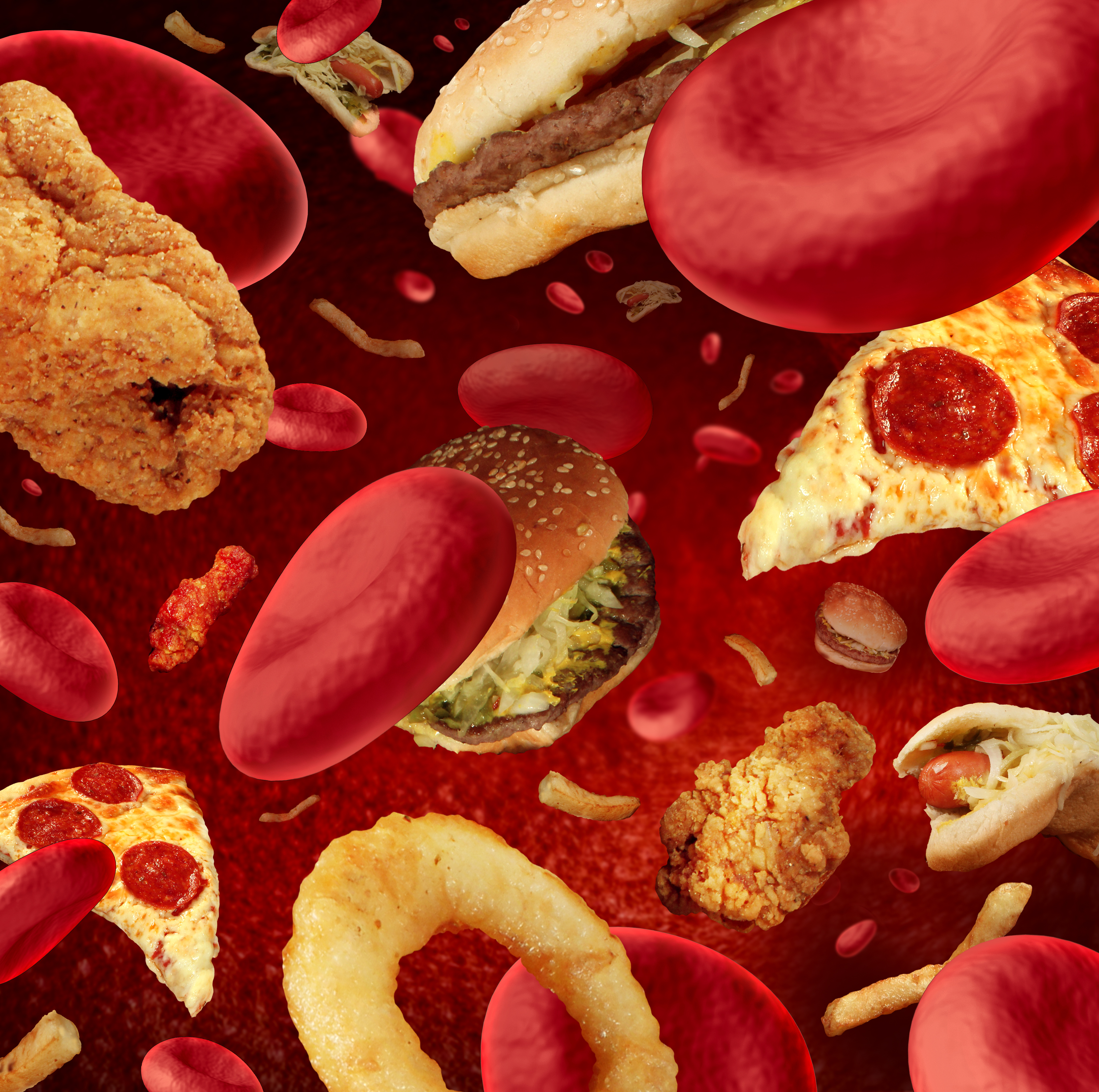
You could be under the impression that cholesterol is the dietary villain and a primary cause of heart disease? Well that is what we are led to believe.

But nothing could be further from the truth!

I am also gonna assume that you might have been told not to eat certain foods such as eggs because they are high in cholesterol or to avoid other healthy animal foods such as butter and grass fed beef? Or worse still that your cholesterol is too high and you need it lowered by using drugs?

Its time to put the record straight!

So what is Cholesterol Anyway?

Cholesterol is a fatty substance known as a lipid and is vital for the normal functioning of the body. It is mainly made by the liver but can also be found in some foods. It is what you call a pre cursor to steroid hormones, which means it is needed to create hormones that your body needs and 80-90% of cholesterol is made by the liver… yes your body makes cholesterol!

Every day your liver will make up the deficit of cholesterol your body needs that doesn’t come from your diet. So even if you avoid the foods you have been told to, you would still get the same level of Cholesterol in the body every day and for good reason, it is essential for life!

Why does Cholesterol get a bad rap?Bad Fats

For one thing, the pharmaceutical companies and the food industry have created trillions of pounds in revenue based on the fact that cholesterol is the main source of heart disease and have created drugs and “low fat/cholesterol” products to sell to the consumer.

Cholesterol is touted as the primary factor of Coronary Heart Disease or CHD.

That one fact is enough to keep doctors prescribing these drugs without an understanding as to why Cholesterol is labelled as bad.

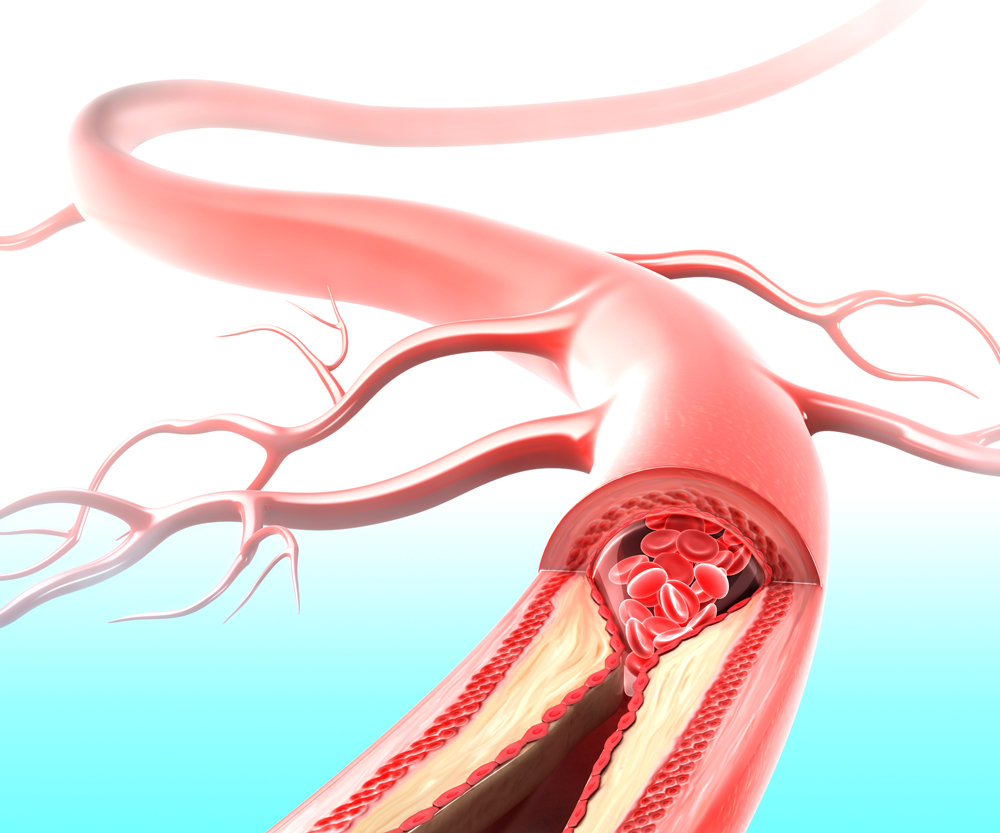
It is true that Cholesterol is used to form plaque in arteries, but this is not due to eating excess cholesterol. In essence, this is down to that fact that it is used as a “sticking plaster” to repair poor arterial walls caused by vitamin deficiencies, smoking, stress and Environmental pollution. In effect the formation of plaque is the consequence of developing disease that is to blame not the primary cause.

Your body does the best it can to keep running, but poor diet choices in this modern world are putting our bodies through such stress and strain that your body has to do the best it can with the tools it has e.g. vitamins and minerals etc. If your body had the right tool for the job, arteries wouldn’t get “clogged” up in the first place and there would be no need for plaque to build up in the first place.

The only thing cholesterol is guilty of in this instance is to keep your arteries working.

So what is the advice that we get to “control” cholesterol? Yes that’s right, lets all take statins.

What they don’t tell you is that apart from the side effects, statins are dangerous and there has been more people that have died using statins that have been “saved”

What are statins and why are they not needed?

Statins are the drug industries way of halting high cholesterol, which have been touted as the saviour to heart disease. Unfortunately statins are flawed.

Why?

Because cholesterol is not the primary cause of heart disease, inflammation is. There are secondary risk factors for sure, but cholesterol in not the prime reason we suffer Coronary heart disease.

It is actually low levels of cholesterol that cause more serious health problems and has been linked to things such as violent behaviour and changes in brain chemistry, in particular serotonin activity. As you may know, serotonin is out happy neurotransmitter and low cholesterol has been shown to reduce serotonin in the brain.

The other major issue is that statins block the production of both cholesterol AND CoQ10. This is a potent anti-oxidant that helps prevent free radical damage, it is also the main nutrient to keeping our hearts healthy. So the drug that is supposed to help the heart blocks the absorption of the only nutrient that helps it beat and beat and beat.

It has been proved that when vitamin C levels are low, Cholesterol is high and when more vitamin c is consumed cholesterol levels decline. It has also been observed that vitamin C inhibits the same enzyme as statins do, concluding that vitamin C does the same job but without the side effects.

But unlike statins, vitamin C promotes the production of CoQ10, which statins block. Win / Win!

The majority of people taking statin drugs are doing so because they believe that lowering their cholesterol will prevent heart attacks and strokes. How many would continue to do so if they knew the very same drugs have been linked to decreased heart function and increased stroke risk?

Remember I stated Cholesterol is a secondary risk factor? That is because the Primary factor of determining your cardiovascular status is the weakness and instability of your blood vessel walls, which vitamin C helps to protect.


Three eggsWhat is this HDL and LDL?

HDL stands for High density Lipoproteins and LDL stands for Low Density Lipoproteins.

You probably know them as good (HDL) and bad (LDL) cholesterol, however this statement is untrue. There is no such thing as good or bad cholesterol and in addition to that, HDL and LDL are not cholesterol at all! They are the carriers of cholesterol around the body.

Fat and cholesterol are not water soluble so they need to be carried around the body in something to do their vital work. The carriers of such substances are called lipoproteins. Imagine lipoproteins as tiny ‘taxi cabs’ travelling round the blood stream acting as transporters. Remember, lipoproteins are carriers of cholesterol – oh – and they also carry triglycerides and phospholipids and protein. All lipoproteins carry all of these substances – just in different proportions. LDL would more accurately be called the carrier of fresh cholesterol and HDL would more accurately be called the carrier of recycled cholesterol.

So there you have it, there is neither good nor bad cholesterol, but we are led to believe this so that we can be manipulated into taking drugs or eating certain foods. Remember, there is no money in healthy people, this is solely to line the pockets of the food and drug industry.


What are the health Benefits?

Cholesterol has many health benefits. As I already mentioned the liver makes up to 80-90% of our cholesterol. If cholesterol was so bad, why does your body make up to 1000mg per day depending on how much dietary cholesterol is consumed?

  • Your brain cells need cholesterol to make connections with one another (called synapses) making it essential for learning and memory.
  • It plays a role in the conversion of Vitamin D in the skin when exposed to sunlight.
  • Many studies have demonstrated that cholesterol plays a key role in cell function. Your body contains trillions of cells that need to interact with each other. Cholesterol allows this to happen to provide each cell with the structural integrity to survive.
  • Cholesterol is a key component of Bile. Bile is released by your gallbladder to help with food digestion, especially fats
  • If this is the case, why do we take drugs to lower cholesterol, when it is vitally needed AND produced by the body?

There is something seriously wrong with the logic that cholesterol is bad.


health levelWhat has this got to do with performance?

Having correct cholesterol levels allows the body to survive. It provides structural integrity for each and every cell in your body. That’s pretty bad ass. It also creates the synapses in our brain essential for learning and memory. To be proficient at martial arts for example we need to learn and practice, pretty fundamental right there.

Taking statins has the side effects of causing fatigue, muscle pain and muscle weakness, the exact opposite of what you want if you want to perform at a high level.

But before you go to your doctor demanding to be taken off, make sure your diet is adjusted accordingly. Eating crap food = crap performance. Not only that it also = crap health, even though it is not visual, doesn’t mean that you can ignore it.

As I have said in previous articles, improve your diet, look at one ingredient foods, eat, fresh meats and poultry, eggs, fruits, vegetables nuts and seeds. Essential fats are exactly that, the best being coconut oil and extra virgin olive oil and fish oils.

Cut down on the processed foods and foods with ingredients you cannot pronounce.

Include a general supplement program to cover all your vitamin and mineral bases and essential fats.

Even if you don’t take statins, getting the correct amount of cholesterol AND making sure your body has plenty of the nutrients necessary to keep you healthy and Cholesterol in check.

Phil Richards - Vitamin C formula

How to Make the Most of Cholesterol 

  • Make sure you eat Cholesterol rich foods including saturated fats, eggs and liver. Even though your liver makes it, if you have poor dietary habits your liver will be in poor health and will struggle to make up the deficit.
  • Remember, Cholesterol is made in the liver every day, and any shortfall through your diet will be made up by your body.
  • You do not need statins, they induce fatigue and a whole host of other side effects that you do not need.
  • There is no good or bad cholesterol, HDL and LDL are simply carriers of cholesterol.
  • Make sure your nutrition is addressed cut out the C.R.A.P foods
    Coffee
    Refined Sugars (Sugar, Fructose, High Fructose Corn Syrup, agave nectar etc)
    Alcohol
    Processed Foods
  • Supplement with CoQ10 for a healthy Heart
  • Supplement Vitamin C to maintain healthy blood vessel walls (preventing plaque build up) look at 3g per day


Conclusion

The word is out, Cholesterol isn’t bad, it is essential. Its time we stopped being fearful of this substance and start to embrace it.

It is essential for health and it is essential for you to know that it isn’t the devil everyone makes it out to be.

If you are on statin drugs to “control” it I would seriously think about talking to your doctor and making it your business to do further research and take your health into your hands, not into the hands of people who are just interested in their bottom line.

If you want further reading I recommend the book the great cholesterol con by Dr Malcolm Kendrick.

****If you are taking any prescribed medication or have any medical conditions ALWAYS consult your doctor or pharmacist BEFORE taking vitamins or supplements. Food supplements must not be used as a substitute for a varied and balanced diet and a healthy lifestyle. If pregnant or lactating, ALWAYS consult your doctor before use.  Or if you have any queries about any supplement ALWAYS consult a QUALIFIED medical professional.****

To your strength and Health


Dean Coulson

comments-ask

Read More
Time Out
mindset

Whoa, Slow down… TIMEOUT!

The more I learn about life,

The more I realise that current life moves at a pace faster than we cannot handle

It stresses us out, we end up busy, but getting nowhere

We try and keep up but we fail

We give up because we cannot keep up

we beat ourselves up because we give up

We then rise again determined this time

doing the same things but fail again

And so the cycle repeats

But isn’t failing simple a lesson to learn?

It is true, it is if you learn the lesson and change the outcome
but we don’t,

we continue in the same loop

we hope the path of least resistance will work the next time

only to realise it doesn’t and yet we still try

“It will work, it will work this time” we say

again and again and again

This is why we are sick, fat and tired

We have forgotten who we are

we have forgotten what it is to like ourselves

we have forgotten that we have to love ourselves first

to do the little things for ourselves first

so that we can be happy

So SLOW down, take time out for you

rediscover YOU and what YOU want

Reduce your stress,

reduce your threat

learn to listen to your body again

and BE you

BE True
BE Courageous
BE Happy

Dean x

comments-ask

Read More
dead lift
Maximal Strength, Strength

Why is the Posterior Chain Important?

The 7 Best Posterior Chain Exercises You Can Do

I have seen so many guys working out in gyms over the years and they all do the same things….

They work out the muscles they can see, the mirror muscles.

Now thats all well and good, but if you are going to do that you are gonna miss out on some big ass size and strength gains and probably cripple yourself with muscle imbalances and injuries.

You gotta work the posterior chain!

The posterior chain are the muscles that cover the back of your body – Upper, mid and lower back, glutes, hamstrings and calves.

They make up some of the largest muscle groups on your body and any exercise that works them will give you a huge advantage in strength and power.

Because they are overlooked they stay small and it shows. Strengthening these muscles not only gives you a bigger overall size and better strength development, but it also brings up lifts such as the squat and bench press.

Lets just say there are far too many guys n gals who skip a leg day because it is too damn hard!

Lets just see why this is important shall we?

Firstly in this modern world we live increasing sedentary lives, we sit down way too much, in front of the TV, to eat, to drive to work, then sit behind a desk at work. Damn basically most of the day!

Our posture becomes poor, we hunch forwards all day in these positions then we head to the gym to train the very same mirror muscles, the Chest, shoulders and arms, the very things that are tight and what puts the posterior muscles in an even weaker position.

This will eventually lead to imbalances, weaknesses and injuries.

The key to all of this is balance, with even more emphasis on the posterior muscles, in fact to redress the balance you should look at doing 2 posterior chain exercises to each anterior chain muscle.

So strengthening your posterior chain will improve your strength and all of your lifts, reduce the risk of injuries and will create a rock hard set of glutes.

Sounds like a win/win to me!

So here are my favourite top 7 exercises for the posterior Chain

1) Dead lifts

You cannot get away from the fact the the deadlift is probably THE best posterior chain exercise, it simply rocks! I love it and it kicks my ass regularly. There is simply nothing better than lifting a big weight off the floor especially with correct form. It nails so main muscles including the entire back, hamstrings and glutes as well as hitting the core muscles hard. Make sure you perform this correctly. Best way to tell is if those muscles aren’t hurting you with DOMS the next day, you are either doing it wrong or you already have imbalances that need addressing!

2) Hip Thrusts

This is a glute exercise and is excellent for improving strength, speed and power. Remember the glutes are key in many sports and they cannot be neglected. The Hip thrust hits them perfectly. If your glutes are underdeveloped, your speed, power and strength are all compromised.
You can improve, strength, size and appearance of you butt, increase sports performance such as speed and acceleration of your sprints. Increase squat and deadlifts and improve overall movement as weak glutes can influence mobility in your ankle, knee, hip, pelvis and lower back.

3) Glute Ham Raise

I GHR machine is something you rarely see in commercial gyms. In my opinion they are highly underrated and are a brilliant piece of kit and a great way to hit the glutes and hamstrings as well as your calves and lower back. you can even look at making your own and utilising your own body weight. This exercise will definitely increase your squat, deadlift allowing you to run faster and jump higher.

4) Hill Sprinting

Sprinting has always developed great glutes and hamstrings, assuming your glutes are switched on and working that is. Sitting on your butt all day is a sure fired way to tell your body to switch them off due to lack of use. This can result in other muscles taking on the the role, which can lead to imbalances and dysfunction. if in doubt, see a good physical therapist to make sure your body is firing on all cylinders.

Anyway I digress. Sprinting up a hill places great emphasis on your glutes and hamstrings, but unlike flat sprints lessens the chance of hamstring pulls as you cannot go all out up a hill. For more  info on how to set up a hill sprinting session, see my post here

5) Kettlebell swings

Kettlebells are a fantastic tool for increased strength and conditioning and also happen to be great at hitting the posterior chain. The swing is a perfect example of this. Done with correct form they hit the glutes hard. You soon know if you are doing them right as your lower back will let you know if you don’t. It is important to know that the swing is instigated by a thrust from the hips, literally driving the arms forwards with the thighs. Lifting before the thrust will place the emphasis on the lower back. The other important thing is not to squat, you hip hinge backwards, slightly bending the legs then use the glutes to drive forwards and lock out with a squeeze.

6) Romanian Deadlifts

Ok its a dead lift, but I think it is different enough to be mentioned separately to the traditional version. Why? Because it hits parts of the posterior chain differently, by that I mean it places more emphasis on the hamstrings. What is key here is the execution, which can easily be screwed up. You also start this lift fully erect off a rack instead of from the floor. Other critical factors are proper alignment of the head and neck, chin tucked in and neck in neutral alignment, chest out, lower back in slight lordosis, knees bent at 15-20 degrees from the start and feet pointing forward but no more that 15 degrees out.

7) Bulgarian Split Squats

Man I love to hate these. I hate them when I do them, but love the results they give and since it is all about the results, they get a mention here. Bulgarian split squats are an excellent exercise. The key to these is the set up position and determining how far you need to stand from the bench/box or whatever you are using to balance your rear foot on. Too far forwards or back can cause pain in the knee or groin. It takes some trial and error to get it right.

Starting out I would recommend body weight and from the bottom position to help develop the correct movement pattern. From there you can use a dumbbell in a goblet hold, then a dumbbell in each hand. You can even use kettlebells, weight vest, chains or even a barbell. The options are many, but progress sensibly 🙂


So there you have it. The posterior chain is immense in strength development, but it is also important to remember that you have to train all muscles to prevent imbalances and injury. It should never be neglected, in fact it should be embraced. So next time you are at the gym make sure you stick some of these posterior chain exercises in 🙂


For help on any aspect of your training feel free to get in touch at dean@assert-fitness.co.uk. we run personalised training programs online and would love to help you.


to your strength and health


Dean

comments-ask

Read More
High Cholesterol
Health, Nutrition, palate, performance nutrition

The Omega Conundrum

Why You Need More Fat in Your Life

I am going to tackle head on something that has almost become a dirty word and what everyone fears….

FAT!

Fat gets such a bad rap, so much so that the word FAT makes most people shudder

They think fat makes you fat, which seems kinda logical, but it is more complicated than that. That is in fact a myth that has grown and grown over the last 30 odd years.

The worst thing about it though is that it turned people to using low fat products which are laden with sugar and using carbohydrates. We need carbs for energy, your brain alone needs around 120g of glucose per day to function. However it made people eat them to excess and it is that that has caused the increase in overweight people that we see these days.

Since then the world has cottoned on that excess carb intake leads to fat storage and fat gain, so the world moved on again to high protein diets and so the cycle continues.

The truth is, we need protein, carbs and fat at varying levels depending on a number of factors such as:

  • Fitness goals
  • Exercise load
  • Stress levels
  • Body fat etc
  • Nutrient timing is also key to getting the best results.


So what do you need to do?

So now that we have established you actually need fat, lets cover the most obvious questions…

what kind of fat do you need?

why do you need them?

How much do you need?

what are the good fat sources?

What are Essential Fatty Acids (EFA’s)?

What do they actually do?

So lets start at the beginning….


You have probably heard that there are good fats and bad fats. If you have then give yourself a pat on the back and a big high five! You have paid attention to someone somewhere. There ARE good and bad fats, but it is not just about how much fat but the quality of it.  As you can imagine, all fats are not created equal, which is why there is so much confusion.


Lets keep things simple….

At a very basic level it should be obvious that eating battered fish from a chippy is not the same as eating a salmon or avocado salad. Both contain fats but the salmon and avocado provide sources of ‘good’ fats rather than the trans-fatty, heart stopping battered fish.

Fat is the body’s most concentrated fuel source. To use your body fat and get rid of the excess, it must be broken down into fatty acids by the body and transported via the blood stream into the cells where the fatty acids are utilised to create energy for the body.

Trouble is, from a performance perspective that doesn’t happen very quickly.

Lets take Jogging and walking for example, 2 activities that can use fat for energy as they are low to moderate intensity and aerobic (with oxygen) in nature. But before you start jogging to reduce your love handles, slow cardio isn’t necessarily the best way to lose body fat. You only burn the energy when you are doing the activity. Furthermore, the more you do it the efficient your body becomes and the less fat you will use, just like a cars mpg.

Intense weight training and interval training however increase your metabolic rate BETWEEN sessions when fat can be burnt up to help your body recover, resulting in much greater and faster fat loss without simultaneous muscle loss.


What else does fat do?

Fat has many more uses beyond being a fuel for training. That’s not to say you should carry excess, you definitely need to burn that off to increase performance whilst training.

Fat also plays a huge part in cell structure, all 100 Trillion of them!

Each of your cells membranes need fat to function. Your cells run EVERYTHING from metabolism to your immune system, your nervous system, transporting certain critical fat soluble vitamins (A,D,E and K) and also slowing down food digestion. This prevents the hunger pangs often associated with the aftermath of rapid digestion of carbohydrate based meals.

NB if you are deficient in fats in your diet, your body will struggle to transport fat soluble vitamins (A,D,E and k)  and you may suffer symptoms even though you are eating enough.

e.g. Poor transportation and uptake of Vitamin D for example, can lead to many problems from depression to bone loss and energy production.


Types of FatGood fats and bad fats, polyunsaturated and monounsaturated fats


There are three types of natural fat: saturated, monounsaturated and polyunsaturated.


Saturated fat

Found in certain meats and dairy produce, saturated fat is required like all fats but should be limited.

A couple of portions of red meat per week is generally enough. Saturated fat should account for no more than 10% of daily calorie intake.


Unsaturated fat

Unsaturated fat are much more biologically active in the body so much better for consumption. We can split unsaturated fat into 2 types:


Monounsaturated: Found in most fish, avocado, olives, olive oil, vegetable oils and nuts (and nut butters), monounsaturated fats are very heart healthy and should be consumed daily, but not to excess.

Polyunsaturated: Found in fatty fish (Salmon, mackerel, sardines etc.), whole grains and seeds. You have probably heard of Omega 3 and Omega 6 fatty acids.

Omega 3 and Omega 6 have different properties and effects on the body.

When we ate a diet with lots of fish and natural food before the dawn of processed foods, the ratio of Omega 6 to Omega 3 was about 1:1 – 2:1 .

Now with the rapid increase in the use of processed vegetable oils in almost all prepared foods, that ratio is now more like 20:1 or 50:1 causing significant nutritional imbalance.

olive oil - omega 6Omega 6

Omega 6 is derived from linoleic acid. The body needs Omega 6’s to create hormones which aid nerve impulse transmission and has anti-inflammatory properties. However, too much can actually be highly-inflammatory causing swelling, pain sensitivity, increased blood thickening


Omega 3

Omega 3 Essential fatty acids (EFA’s) comes from Plants such as flaxseed in the form of ALA (Alpha-linoleic Acid) and from fish such as salmon, mackerel, herring, sardines and anchovies in the form of EPA (EicosaPentaenoic Acid) and DHA (DocosaHexaenoic acid)

Omega 3’s are also highly effective in reducing exercise-induced constriction of the airways leading to the lungs so if you suffer from poor breathing during exercise, increasing your Omega 3 consumption could make a big difference.

Since Omega 3 is anti-inflammatory, adequate intake of Omega 3’s is also needed to reduce the inevitable post-workout inflammation and accelerate repair and reducing any soreness after training. This will help you recover and progress much more quickly.


How Can I tell if I am Deficient?

Here are some potential signs of fatty acid imbalance. Please bear in mind that one of these does not necessarily indicate an imbalance, however, if you are seeing at least 4 or more that you can relate to then it is possible you are deficient in EFA’s.

  • Poor exercise recovery / muscle aches
  • Dry skin
  • Irritability
  • Dry, unmanageable hair / Dandruff
  • Excessive thirst
  • Brittle nails or soft nails
  • Hyperactivity
  • Learning problems
  • Poor concentration
  • Attention Deficit Disorder
  • Allergies
  • Lowered immunity
  • Patches of pale skin
  • Cracked skin on finger tips
  • Weakness
  • Fatigue
  • Dry eyes
  • Poor wound healing
  • Frequent infections


Thinking Wordle

What Else to Essential Fatty Acids do?

Essential Fatty Acids play a huge part in the body. It has been speculated that it is EFA’s introduced in the human food chain through eating fish and shell fish that allowed us to develop our intelligence and become the dominant species on the planet.

The Brain

It is no wonder that in modern society, where EFA’s are not consumed in anywhere near as much as we need that our health is beginning to suffer.

There has been various conditions linked with a deficiency in EFA’s . People who get little or no DHA in their diet for example have been linked with Multiple Sclerosis, depression, PMS, ADHD, schizophrenia and hyperactivity.

60% of your brain is fat, if you are deficient in EFA’s it affects how your brain works, brain cells cannot be serviced correctly, which can affect your concentration, senses and anything the brain is linked with, which is pretty much everything, including muscle contraction. If you are having hearing or vision problems, look at upping your EFA’s before starting down any surgical procedures.

Energy

Supplementation with EPA and DHA can cause significant improvements in exhaustion and weakness

Stress

Stress is caustic to the body, it effects every one of us every day and our ability to deal with it comes in part to what we fuel our bodies with. Stress can damage the fatty acids in the brain and so EFA’s are essential to the diet. If you are stressed all the time consider supplementing your diet with EFA’s to help counteract its effects (reducing stress of course is the best way)

Moods, memory and Behaviours

EFA’s by way of fish oils improve mood by boosting levels of the feel good neurotransmitter serotonin. It is well documented that many people with abnormally low brain and blood levels of serotonin are depressed.

The Nutrition Approach

So far we have covered why EFA’s are so vital for your health and performance. But it is only part of the picture. You have to pay attention to your whole nutrition approach, as simply increasing Essential Fatty Acid intake may not have much effect if you lack certain other nutrients.

This is why addressing your nutrition as a whole is massively important.

The following vitamins and minerals are also important in fatty acid conversion in your brain.

  • Vitamin B3 and B6
  • Magnesium (aids reactions involving fatty acids)
  • Zinc (antioxidant within the brain)
  • Vitamin C, E and A


Fish OilsFish oils

As you probably know Fish oils are now widely accepted as an essential part of any good diet and are a great source of the Essential Fatty Acids detailed above. Even if you do not like fish, there is nothing stopping you from supplementing with a high quality oil to make sure you cover your daily intake.

As mentioned earlier, EFA’s, especially EPA and DHA are abundant in “fatty” cold water fish such as salmon, sardines, mackerel and trout.

What people do not realise however is that many of these fish are now farmed and are fed on a poor diet and fed certain food to keep the flesh the correct colour for selling, rather than roaming freely in oceans and rivers. When they are in their natural environment they feed on natural marine plants/algae. Farmed fish are often devoid of these fatty acids because the original source is actually the plant life – and you are what you eat! It is the marine algae that provide the EPA and DHA (Essential Fatty Acids).

With this in mind it is becoming more and more important to supplement EFA’s with either good quality, non-polluted fish oils or with supplements derived from marine algae sources.

Realistically, everybody exercising hard and wanting to ensure they get all the nutrients they need, should be supplementing with Essential Fatty Acids.

Also bear in mind that omega 3 oils are anti-inflammatory and can aid the reduction of inflammation, especially systemic inflammation (See Martial Arts Illustrated May 2014 issue for my article on inflammation)

Fresh salmon steak

Supplementation Guidance

Fish oils are so vital to our species from brain function to cellular health that it is important that you take 4-6g fish oils per day with food as your digestive enzymes in your stomach will improve absorption.

Make sure you split the intake of the fish oils throughout the day with food.

To get the most from fish oil you have to be consistent in taking it and can take 30 days of increased fish oil consumption to bring about noticeable differences so ensure you take it daily.

As well as EPA and DHA in Omega 3 oils, Extra-virgin olive oil, sesame oil, turmeric and ginger, nuts, avocado have also been found to reduce systemic inflammation so regular consumption of these foods is important.

You should also ensure your diet contains lots of the following anti-oxidants, which help your immune system:

  • Vitamin C
  • Polyphenols from berries and dark-coloured vegetables.
  • Coenzyme Q10
  • Beta-carotene
  • Vitamin E


Also make sure you reduce your intake of Omega 6 fatty acids particularly vegetable oils. Throw out all processed starches, vegetable oils and margarine, high sugar foods, canned fruits and vegetables.fish oil liquid

The more you control insulin with proper nutrition habits, the less fish oil is required so reduce your consumption of starchy sugars such as pasta, potatoes, rice and bread.

Some rice or sweet potatoes are okay after hard exercise to refuel.


Final Thoughts on Omega Oils

As long as you implement the following action steps you should see improvements in your overall health and wellbeing as well as your time spend training and competing.


So do the following:

  • Increase your intake of ‘good’ fats detailed throughout the article.


  • Reduce your carb intake (restrict to refuelling after exercise and some fruit at breakfast)


  • Reduce your intake of saturated fat, red meat, vegetables oils and of course, processed food


  • Take high-grade fish oils (4-6g per day spread throughout the day) or a plant based source such as V-Pure EPA/DHA.


  • Eat LOADS of organic, fresh vegetables high in antioxidants to give the Essential Fatty Acids plenty of support.


To your strength and Health


Dean Coulson

comments-ask

Read More
You can have results or excuses, not both
Featured, mindset, Motivation

Result or Excuse


I am sure you have heard this before

you either go out and grab what you want with both hands

Or you come up with every reason why YOU cannot

“it’s ok for abc, they don’t have to do xyz”

“They are lucky”

“I could never do that”

“I will start on monday”

“I will start next week”

“I will start next year!”

every one of these thoughts is your mind stopping you

guess who programmed your mind?

thats right, you did!

You CAN have what you want

You just choose to stop listening to the bullshit in your head

the stories you put in there, through past choices YOU made

and start down a different path

stop defending the excuses you have

stop giving yourself a reason NOT to better yourself

Swallow your pride

Bin the ego

Stop making Excuses!

and go and get what you want

In fact every day demand to show up with one mission….

to be the best version of you!

Truth, Strength and Love


Dean

comments-ask

Read More