
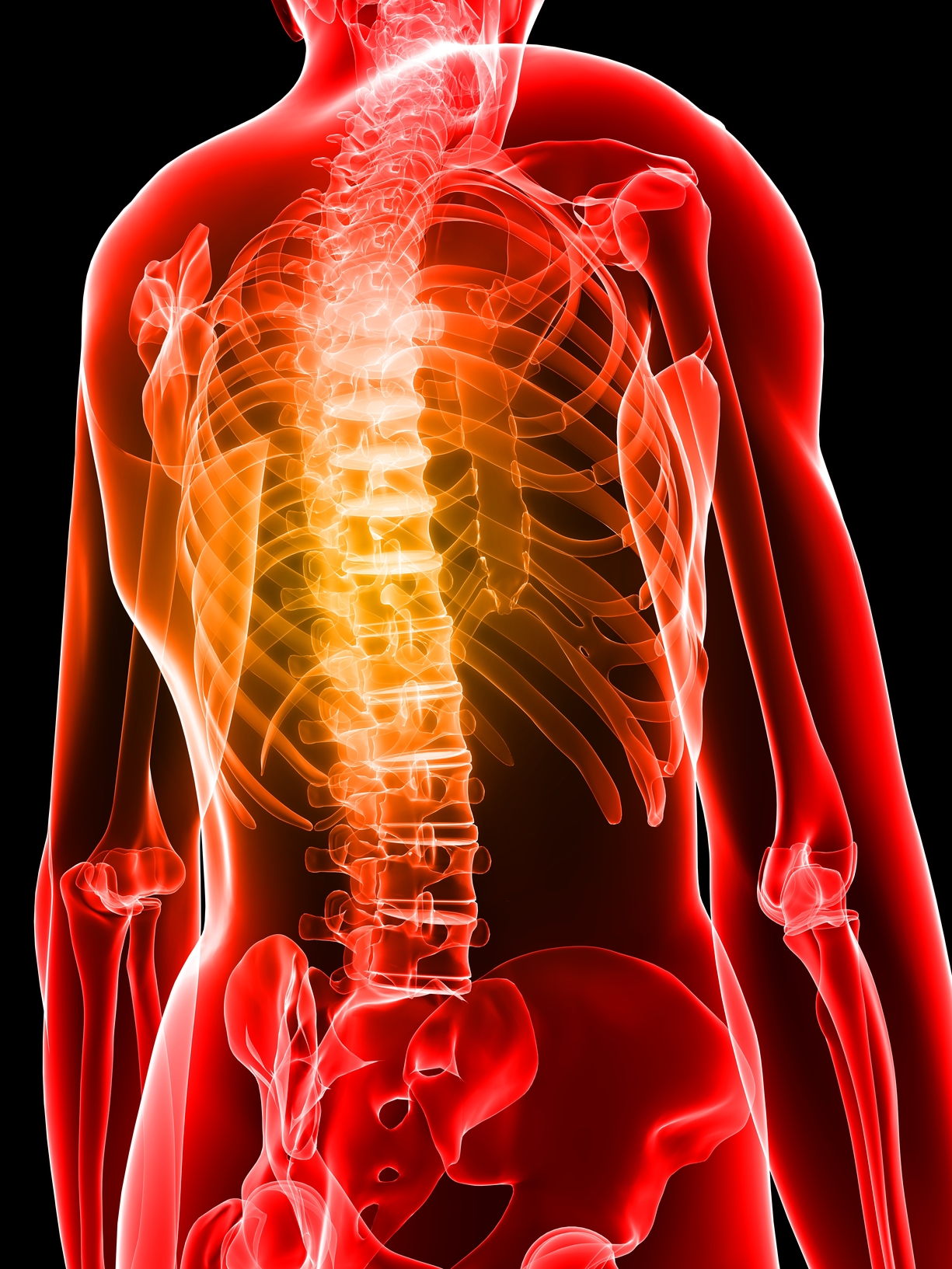
Today I am going to look at something that is under most people’s radar. It is one of the biggest risk factors of health because no one is aware it exists and yet it can have a massive impact on your life as well as your performance.
So what is inflammation?
“Inflammation is the result of an immune response to irritation, infection, or injury.”
Most of us think that inflammation is a result of getting banged up in training or in a tournament and you would be right. Short term it is critical for your body’s ability to protect itself. However, longer term there is another level of inflammation you probably haven’t considered.
You may connect inflammation to swelling or something you can actually feel directly, however, it is low level Chronic and systemic inflammation that no one realises, that can have a massive impact to our health.
When we are under stress, eat the wrong foods, workout too much, fail to get enough deep sleep and restoration, we develop a high level of inflammation that the immune system has a hard time keeping at bay.
Where Does Inflammation Start?
Most inflammatory diseases and disorders start in the gut with an auto immune reaction to bad food choices. Every food causes some kind of inflammatory response, whether it is anti-inflammatory or pro inflammatory. The problem is though, that too many foods cause a pro inflammatory response.
As a result, we develop gastro intestinal issues such as IBS (irritable bowel syndrome), joint pain (arthritis), and other serious diseases as the immune system becomes very weak after years and years of fighting inflammation and no longer functions adequately.
Autoimmune issues such as arthritis come about when the immune system attacks healthy tissue, which is why what you eat plays a major factor in joint pain.
Why you should lower excess inflammation
Over time inflammation can cause the body to breakdown and make you susceptible to a myriad of diseases. Your immune system is simply overburdened and starts affecting nerves, organs, connective tissue, joints and muscles.
By lowering excess inflammation, you make your body more disease proof to cancer, heart disease, stroke, diabetes, Alzheimer’s disease, asthma, arthritis and IBS.
This isn’t to say these things will never occur, but by lowering inflammation you will be able to better bulletproof your body against them.
When inflammation goes up, the body has an immune response to lower it by increasing cortisol levels, as cortisol is an anti-inflammatory hormone. This ultimately affects how your hormones work as your body then has to work hard to keep the balance.
Essential Fatty Acids
High inflammation can be due to too much Omega 6 consumption and not enough Omega 3 oils.
Omega 6 is pro-inflammatory whilst Omega 3 is anti-inflammatory. You want a 2:1 ratio of Omega 3 to 6 in your diet. This is especially important for people that are already experiencing the negatives of too much inflammation.
Why have omega 6 in the diet at all?
Our lives work on balance, our bodies go through a continuous cycle of creation and destruction every day. Our cells, continually die and renew, the cycle of life.
Omega 6 fatty acids help break down unhealthy cells that can lead to disease. If we have too much Omega 6 then we break down healthy cells and tissues and that is where it becomes problematic.
If we take in too much Omega 3 we have too much growth and not enough breakdown and this can lead to issues such as overdevelopment of potential disease.
How does this affect performance?
Omega 6 plays a big role in the production of hormones that is critical for all physique composition and performance goals. People who have a hard time increasing muscle mass may be taking a higher ratio of omega 3 to omega 6 oils, in which case these individuals may need to change the ratio around for a short period.
In addition, from a performance perspective, hard training athletes that want to put on muscle, lose fat, and get strong we need omega 6 sources to initiate the signal for anabolism.
What are some good sources of omega 3 and omega 6?
- Omega 3: Flaxseed oil: chia seeds, flaxseeds, walnuts, oily Fish such as sardines and salmon, grass fed organic beef, free range organic eggs from chickens fed flaxseeds.
- Omega 6: animal fats, borage oil, avocado, hempseeds, pumpkin seeds, and cashews.
In addition, adding omega 9 lowers cholesterol, insulin resistance, improves immune system health, and heart health.
- Omega 9: olive oil, almonds, cashews, macadamia nuts, pistachios.
The Problem
So what foods cause this inflammation response in the first place and what can we do about it besides addressing the omega 3-6 ratio?
High sugar, grains, dairy and processed food consumption are the primary causes of inflammation.
It is my belief that sugar plays the biggest role in all diseases and is highly addictive. It has been said that sugar addiction is as bad as class a drug addiction. Ingesting so much sugar is worse than far too many people realise and it is so easy to do because it is in everything, even things you wouldn’t think, which is why you have to read the label on everything you buy or better yet, make it from scratch yourself.
To make my point, try to cut out sugar for a week and you will have some serious withdrawal symptoms before the week is up.
Too much caffeine consumption also causes a lot of inflammation. Ever tried to detox from sugar and coffee? If you have you know what I am talking about!
Sugar causes inflammation by prompting the hormone Insulin to be elevated all the time. Insulin is not something we want high all day long. It constricts the arteries and raises blood pressure. It causes a great deal of inflammation
Grains contain pro inflammatory compounds called lectins, they also contain anti nutrients (phytates) and indigestible proteins (gluten). They often cause leaky gut (creating food intolerances) and increase inflammation in your joints.
Dairy. Drinking another species milk into adulthood is another factor. We cannot digest the sugar lactose, often causing excess mucus production in the nasal passages and increasing inflammation elsewhere including joints.
Gut Health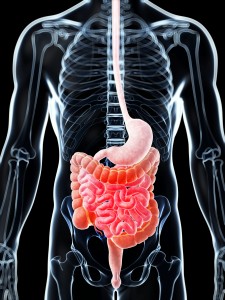
Without proper gut health we are doomed. Gut health is critical for your overall health. There are several supplements I like for gut health.
Along with removing reactive foods from the body including sugar, dairy, wheat, alcohol, processed foods and caffeine, you should also look into the following supplements to maintain a healthy gut..
- Probiotics – ensures that we have a good balance of healthy flora in the gut for optimal functioning and immune system health.
- digestive enzymes – ensure that we extract the largest amount of energy from our food and assimilate it efficiently.
Two other great nutrients for decreasing gut inflammation are Ginger and glutamine. Ginger is great for any stomach issues and is a great cold fighter. Glutamine helps with healing the lining of the gut. 5-20 grams per day is a good dose.
Steps to reduce Inflammation
There are a number of things you can make sure you have in your diet to help lower inflammation, Magnesium and systemic enzymes are in my opinion the best. Here is a list to consider…
Magnesium Oil
 Magnesium is critical for overall health and lowering inflammation and magnesium oil is the best source of magnesium as it has much higher absorption. Here are some key benefits of magnesium:
- Magnesium helps lower cortisol levels and drive up DHEA, which is a potent anti-inflammatory hormone.
- Magnesium helps you metabolise inflammation fighting Essential Fatty Acids (EFA’s).
- Magnesium helps lower Inflammatory responses.
- Magnesium supports the adrenal glands from fatigue brought on by stress and is the ultimate stress management nutrient.
- Magnesium is a vasodilator, opening up blood vessels.
- Magnesium helps relax muscles.
- Magnesium is an important part of treatment for chronic fatigue syndrome.
- Magnesium helps the liver to detoxify toxic chemicals.
- Magnesium aids restful sleep.
- Magnesium helps prevent muscle weakness and fatigue.
Systemic Enzymes
Systemic means body wide, so systemic enzymes deal with inflammation in every part of your body. Here is what systemic enzymes do: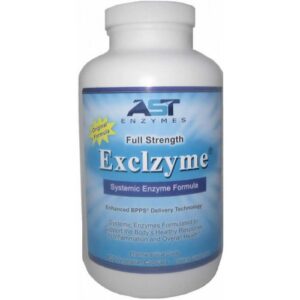
- Work to lower inflammation and help with pain management
- Decrease inflammation and reduce exercise related muscle pain brought on by high intensity training and also shortens recovery.
- Supports healthy blood circulation and cleansing
- Reduces the need for a large cortisol response to inflammation and thus lowers cortisol as well.
- Helps prevent an over active immune response which can cause auto immune disorders
- Fights viruses.
Zinc
- Helps the body fight stress.
- Has antioxidant properties
- Important for healing wounds
- Important for immune system and white cell growth
- Plays a big role in cell growth and tissue repair
- 30mg-50mg of Zinc is a good daily dose. You may need more depending on how depleted you are.
- Zinc Citrate or zinc gluconate absorb very well. Avoid zinc oxide which I poorly absorbed
 Vitamin C
- Helps the immune system fight infection which is linked to inflammation
- Best food sources of vitamin C from food are berries (strawberries, blueberries, raspberries etc), goji berries, guavas, peppers, kale, chili peppers and broccoli.
Vitamin D
- Small amounts such as 500iu has been shown to lower inflammation by 25%
- Vitamin D deficiency is connected to many inflammatory related diseases: high blood pressure, diabetes, autoimmune disorders
- Important for immune system health
- Helps prevent several cancers including: bladder, breast, colon, ovarian, prostate and rectal
- 3000-5000iu daily is a good dose
Ginger
- Lowers Inflammation in the large intestine.
- Helps relieve stomach upset, diarrhoea, gas
- Lowers inflammation by lowering free radicals
- Effective cold and flu fighter
- Acts as a blood thinner
- Research has shown that it can reduce pain and swelling in people with Rheumatoid arthritis, osteoarthritis, and muscle pain.
- Good dose is 2-4 grams is a good baseline.
Curcumin
Benefits of Curcumin include:
- Found to increase detoxifying enzymes and promote healthy DNA function.
- Helps support a balance between anti-inflammatory and inflammatory responses.
- Acts as a free radical scavenger and antioxidant
- Curcumin molecules insert themselves into cell membranes and make the membranes more stable and orderly in a way that increases cells’ resistance to infection by disease-causing microbes.
- Has a positive effect on neurogenesis in the hippocampus reduction of which is associated with stress, depression, and anxiety
- Helps to block conversion of testosterone into oestrogen
- Great for gut health and as a preventative for colon cancer.
Coconut Oil
Contains medium chain fatty acids that help fight infections and organ damage
- Supports the immune system
- Fights many viral and bacterial infections
- Reduces inflammation and immune response caused by allergies
- Great for energy and conversion of cholesterol into testosterone
The key to reducing inflammation is to start with what you eat and ultimately ingest. Most auto immune disorders can be traced back to increased systemic inflammation.
For most people, these changes are sufficient to greatly reduce their systemic inflammation and greatly improve their quality of life. Being mindful of this will allow you to see a reduction of auto immune symptoms and more energy in your training. You could also notice that you recover from your training sessions much faster and have less trips to the doctors.
If you want to know the best supplements to get then email me at info@assert-fitness.co.uk and I will send out my recommendations.
To your strength and Health
Dean Coulson


0 comments