Gut Health
Fat Loss, Featured, Health, Nutrition, palate, performance nutrition

The Case For Good Gut Health

There is so much information on health and nutrition these days it is so difficult to know where to start and what to trust.

I get it, believe me.

I have been there and it can be a confusing position to be in and since a confused mind says no, it is easier to do what you know and hope it works. However that won’t get you what you want if you have tried and failed before.

So what to do?


Nutrition Hierarchy

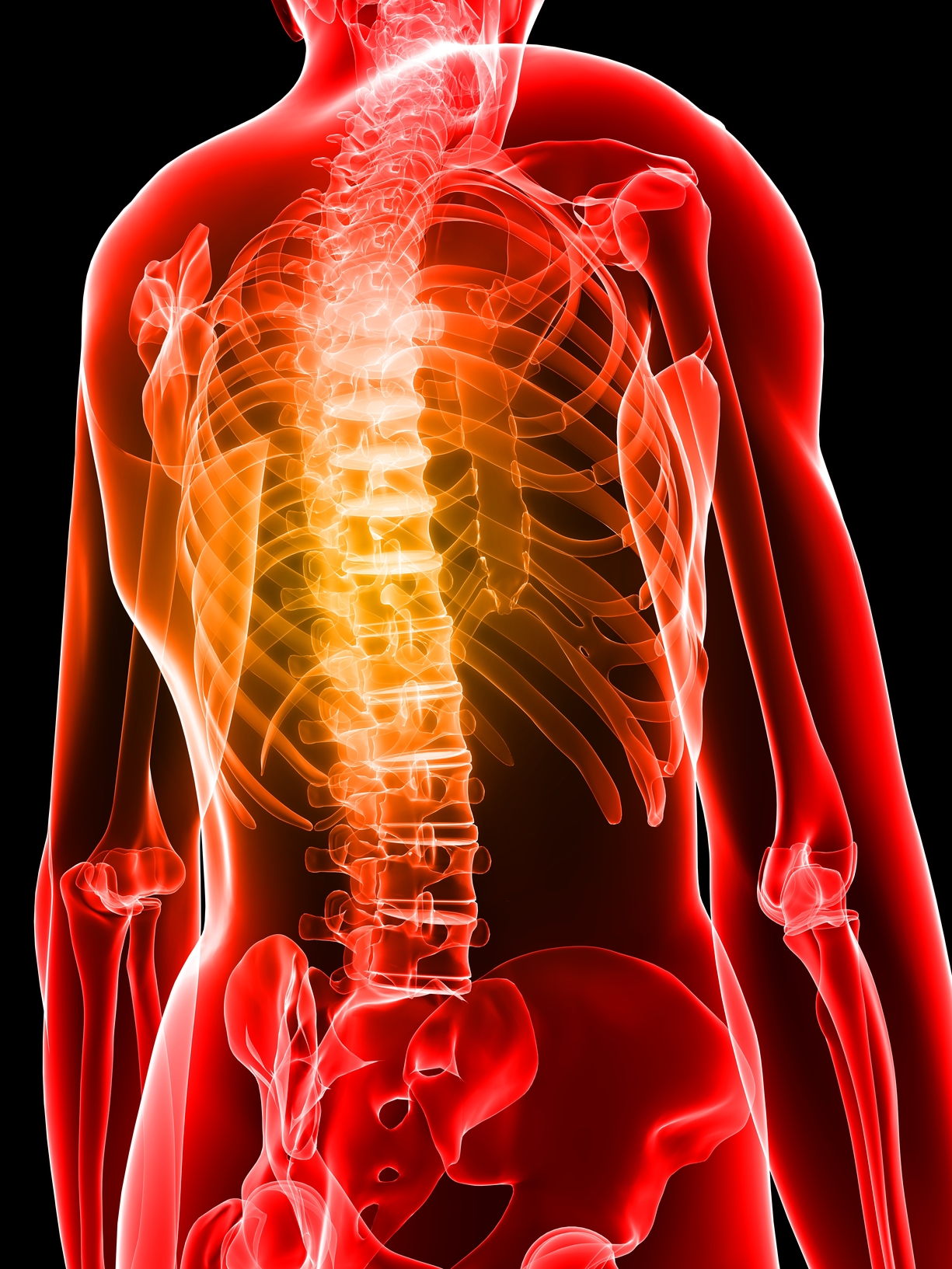
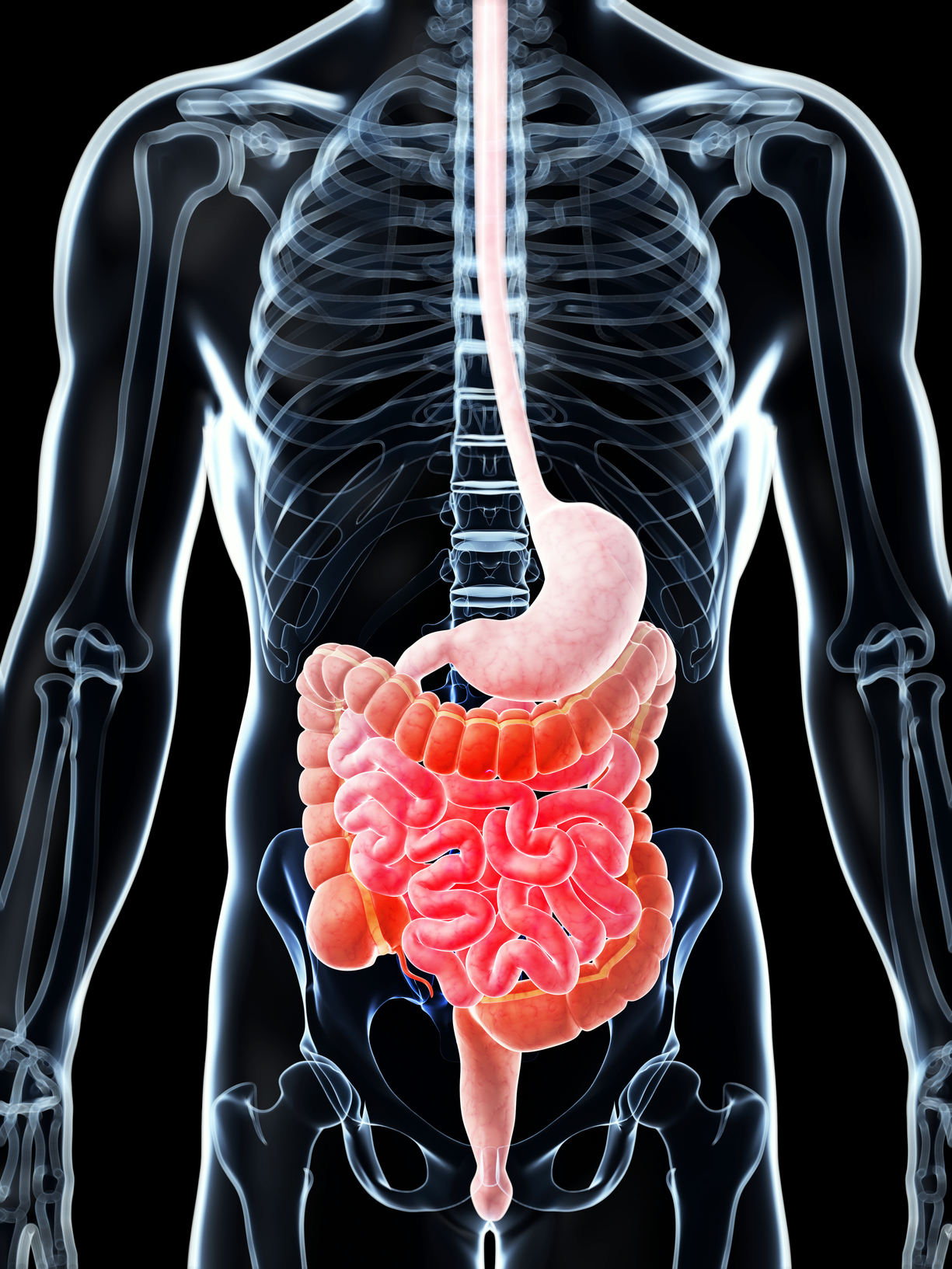
For me there is a number of steps to health and the primary focus of every nutrition plan should be the health of the gastrointestinal (GI) tract which is largely made up of the stomach and intestines. Gut health is an essential part of overall health and is so easily neglected by poor nutrition choices.

It doesn’t matter if you’re sedentary, an athlete, overweight, or lean. The gut is key to your optimal health.

The GI Tract is an incredible part of the body.

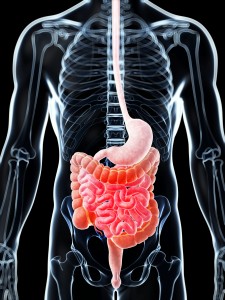
Composing of not only the stomach but the small and large intestines, it is around 30 feet long and comprised of trillions of cells. The GI tract provides a secondary line of defence against toxins and is the primary line of defence for anything harmful we ingest.

Believe it or not, 70-90 percent of our immune system is found in the gut.  Of the trillions of cells in it, 100 trillion are bacterial cells, and these cells have a profound effect on our health.

Gut Health and Gut Flora

Most people are not aware that it is the bacteria, or more importantly the good bacteria in our gut that protects us from pathogens and other foreign bodies. There is also bad bacteria and so the key to gut health is maintaining the balance between good and bad.

The collective group of both good and bad bacteria is called gut flora and help maintain the integrity of the lining of the GI tract three ways:

  1. They convert unabsorbed dietary sugars into short-chain fatty acids, which are a major source of energy for epithelial cells (the cells that line our internal cavities)
  1. They form a protective layer and do the job of blocking harmful bacteria.
  1. They secrete immunoglobulin A (IgA or sIgA), which is an antibody that plays a critical role in immunity and helps prevent infection.

Cells of the immune system are also prominent in the gut.  They secrete chemical mediators known as cytokines that coordinate the inflammatory response in the body.

The gut flora can also assist in preventing allergies by balancing the histamine response and down-regulating inflammation.

Inside the gut’s mucus layers, thousands of hormone cells are produced that help aid digestion and metabolism. The 100 trillion microbes also play a vital role in nutrition because they synthesize vitamins such as thiamine, folic acid, pyridoxine, and vitamin K, as well as producing digestive enzymes that facilitate the absorption of calcium, magnesium, and iron.

Unfortunately, time, lifestyle, and environmental factors will degrade this complex system.


Gut Health Imbalances

What we eat plays an enormous role in maintaining the integrity of the gut and bacterial imbalance, appears to be heavily influenced by diet.

Sugar, wheat, dairy, additives and preservatives, pesticides, herbicides, hormones, and antibiotics all have an impact on the balance of good and bad bacteria.

Non-dietary influences include prescription and over-the-counter medications, such as anti-inflammatories (NSAIDS), stress (physical, psychological, or physiological), radiation, immune deficiencies, and aging.

As harmful bacteria levels rise, the intestines become more permeable, making them less likely to keep harmful pollutants out and to aid in the absorption of nutrients.

Bacteria, toxins, and undigested proteins and fats can leak into the bloodstream and trigger an autoimmune reaction, which increases the levels of histamine, cortisol, and cytokines.  This situation is often referred to as “leaky gut syndrome.”

Although not a medical term, leaky gut syndrome is a growing problem that is not being properly addressed.  Symptoms are often treated, but the root cause is not addressed.

Symptoms of leaky gut syndrome include

  • Gastrointestinal complaints such as bloating, gas, reflux, constipation or diarrhoea
  • Frequent illnesses
  • Allergies
  • Chronic sinusitis
  • Slow metabolism
  • Skin conditions such as eczema or psoriasis
  • Joint pain
  • Headaches
  • Anxiety, and/or depression

super digestive EnzymesWhen the health of the gut continues to decline, food sensitivities and autoimmune disorders can develop, causing all manner of diseases as the body becomes more and more defenceless.

The Gut Brain Connection

To have a fully functioning and well nourished brain, you have to have a fully nourished digestive system. Our guts have to be in great shape to withstand the rigours of modern life and provide the health for you to compete at a high level. Your brain is completely dependent on what you digest so if you cannot digest the nutrients your brain needs it will lead to poor brain function. Not Ideal!

It turns out that in early foetal development, the gut and brain come from the same tissue, before dividing, with one developing into the central nervous system and the other developing into the enteric nervous system (digestive system). They remain connected by the vagus nerve from the brain stem to the stomach. They even shared the same amount of neuro transmitters and hormones, each having around 100 million nerve cells.

The stomach has been referred to as the second brain. So you see, if your gut health is poor due to excess alcohol, coffee or pain killers or through frequent infections or antibiotics, your gut health will be compromised and you will most likely react to the food you eat.

Because the 2 systems are linked so closely, conditions such as a leaky gut can lead to brain allergies, which can dramatically affect your mood, attention in behaviour. The most common and most undiagnosed immune and toxic reactions are caused by wheat gluten and dairy products.

The inflammation and toxic effects of gluten and casein (from wheat and dairy) as so powerful in affecting brain function that it can lead to brain fog to depression.

The link between the gut and the brain is clear. As we have seen, what you eat has a direct effect on your brain, which means it can affect your behaviour. A healthy gut will produce up to 90% of your body’s serotonin, the happy neuro transmitter. With poor gut health, your body simply doesn’t get enough. Your Behaviour is influenced by what you eat and digest!


Putting Good Gut Health into Practice

It is important to look after your gut. By removing toxins and including nourishing foods and supplements you not only steer yourself away from diseases, bugs and disorders brought about by food allergies and intolerances, but you are also able to absorb more nutrients for your body and brain.

To make sure you are getting all your body needs for gut health it is important that you eat whole foods such as fresh fruits and vegetables, lean meats, eggs and fish. Reduce or remove the toxic foods such as wheat and dairy, sugar, alcohol and caffeine. As well as that, you should consider Nutritional Supplements that help with gut health to make sure you remain symptom free.

Chew Your Food

Your digestion of food actually starts in your mouth. You produce up to 32 ounces of saliva each day. Chewing your food will help your body absorb vital nutrients more thoroughly and rapidly due to enzymes secreted in your saliva

Eat slowly and chew your food at least 25 times each mouthful. Make sure it is a liquid pulp before swallowing. It takes 20 mins or so for the brain to register that you have eaten, this is why you should never eat when you are starving hungry as you will eat far more than you need. Taking your time and chewing slower lets your stomach signal your brain to say, right I am full, so you stop taking in excess calories.

Your tongue recognises various flavours of each food and will send messages to the brain, which then tells your stomach to produce the corresponding digestive juices needed to break down that food.

Recommended supplements:Probiotic_gut_health

  • Greens drink or multivitamin/mineral supplement – make sure you get all the vitamins and minerals your need, don’t leave your body wanting by the diet you have.
  • Digestive enzymes – aid digestion of food. Poor gut health will have fewer enzymes.
  • Omega Fish Oils – Helps reduce inflammation
  • Probiotics – Provides support for digestive and immune health, enhances balance of good bacteria in the gut.
  • Curcumin – a potent antioxidant that offers numerous health benefits, including supporting joint health and liver, GI, and cardiovascular function, by helping to maintain the body’s normal inflammatory response.*
  • Vitamin D – helps to maintain the gut flora balance and is involved with regulating inflammation in the gut.
  • L-Glutamine – helps repair the gut lining after damage.
  • Vitamin B12 – poor gut health affects absorption of this vitamin in a number of ways from leaky gut/inflammation, low stomach acid or prescribed medications. Essentially your body cannot make as many red blood cells and their life span is shorter with out B12, which effects your energy.


Simply put, a healthy body and mind is dependent on a healthy digestive system, you simply cannot have one without the other.

Get your gut health right, give it the nourishment it needs and you will thrive. If you don’t if can impede your health and performance, both with work or training. Make sure you are doing everything you can to protect your gut.


To your strength and Health


Dean Coulson

[Reproduced from my article in Martial Arts Illustrated – August 2014 – A Case for Good Gut Health]

comments

Read More
Liver Detox
Health, Nutrition

Detoxify Your Liver

Why the Liver is key to your health

We live in a world now where obesity and diabetes are more commonplace than ever and that is just the tip of the iceberg. Our bodies have been exposed to around 87000 chemicals via our food and water supply in the last 60 years with more than 700 contaminants being present in our bodies at any one time. Our liver was simply not designed for that kind of bombardment, no matter how good it is. We need to give it every chance to keep us healthy.

One of the widest misconceptions in fitness and exercise is that if you continually flog yourself in the gym you will get that six pack, or at least trim the tyre from your middle to a size you are happy with.

Unfortunately this is 100% incorrect!

You simply cannot out train a bad diet, no matter how much you want it to work.

And this leads me to the second misconception about fat loss, that if you eat less calories than you consume then you will get the desired result. If that was the case then everyone would be slim. But it just doesn’t work that way.

100 calories of a mars bar does not equal 100 calories of Broccoli. So what else is in the mix? What other factors exist that can be preventing you from getting lean and looking great?

I am going to stick one more thing in here for you to think about.

You can be lean and UNHEALTHY.

I have seen plenty fighters from UFC to Sport Karate who may have a 6 pack but their stomachs are so distended that you have to look twice to see if they actually drew the 6 pack on.

People have placed so much importance on fat loss that they forget about their health. They do anything they can to look great, sometimes to the detriment of themselves. Being unhealthy is a sure fire way to low energy, lethargy and illness. Not something you want when you want to be the best you can be to compete or even just be a great ‘recreational’ fighter.

The crazy thing is, is that if you just have a paradigm shift and focus on your health first, fat loss takes care of itself!
After years of studying health I have found that the quickest and most effective way of losing the spare tyre and decreasing body fat is LIVER DETOXIFICATION.

That’s right. You have to think about your liver first!

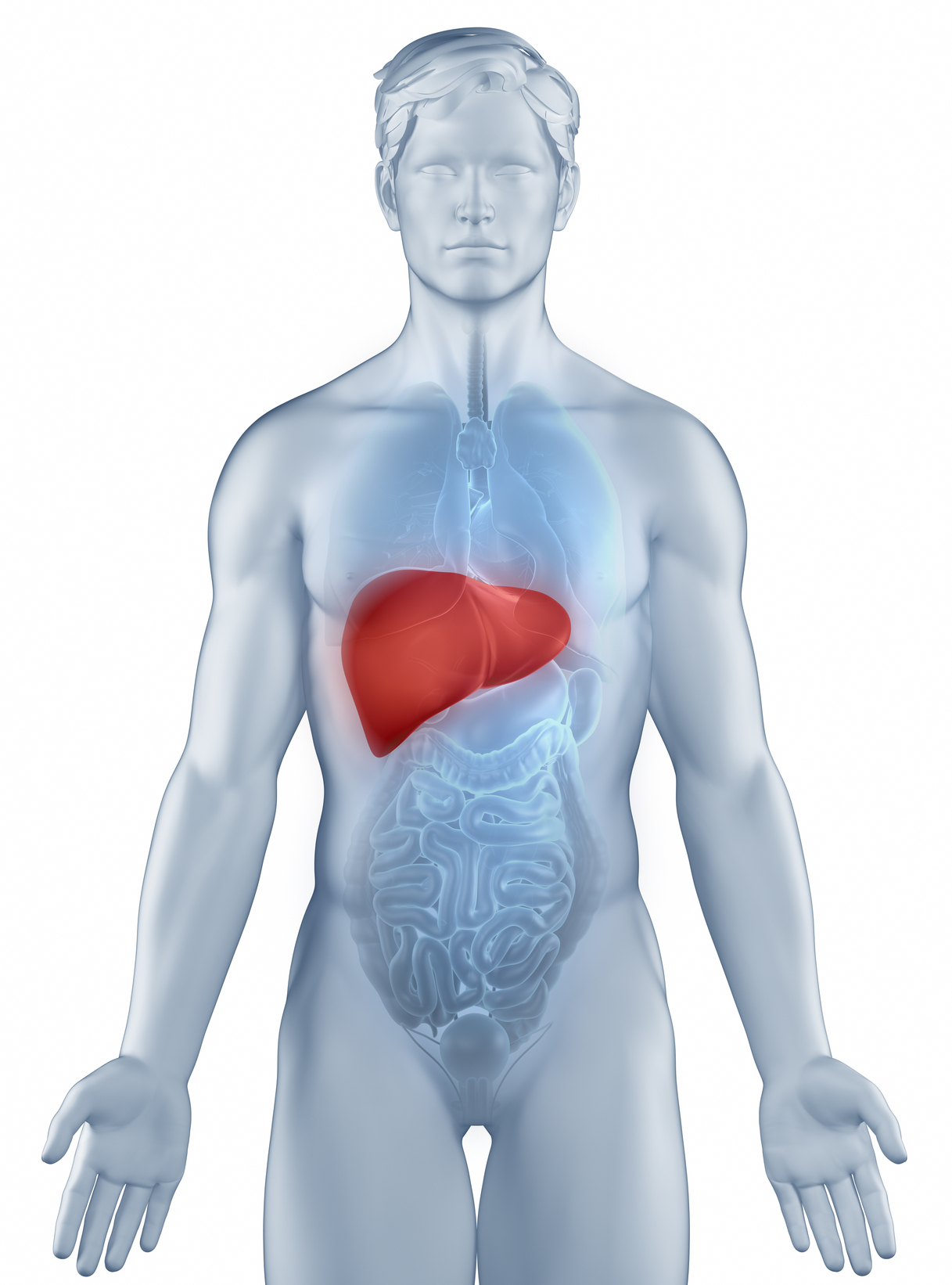
The Liver is one of the largest organs in the body and located in the upper right quadrant of you ‘belly’, under the ribs.  The Liver literally is the key to everything that we do as it is responsible for functions vital to our lives.

Liver Functions

So what does the liver do for us?

  • It processes nutrients from the food we consume
  • It produces Bile, which helps with the digestion of food especially fats. Without it cholesterol levels rise, causing digestive disorders and stomach bloating, IBS, nausea, food allergies and poor vitamin absorption (particularly A, D, K and E).
  • Blood sugar levels are balanced by the liver and if this function fails the result is chronic fatigue, sugar cravings, weight gain and ultimately diabetes.
  • Removal of toxins from the body
  • Detoxification of the blood
  • Breaks down fats for energy (lipogenesis)
  • Production of sex hormone binding globulins, which are used to soak up and remove excess sex hormones like oestrogen and testosterone.
  • Converts amino Acids into proteins
  • The storage of vitamins, minerals (Vitamin A, D, B12, Copper & iron) and energy (glycogen)
  • Highest producer of serotonin (the feel good hormone), so if the liver is overburdened, we won’t feel great at all!


With so many functions it’s easy to see how any disruption to the Liver can have a massive impact on how well we function and can lead to poor health.

If the Liver is stressed/overly taxed then our ability to use the nutrients from the food we eat, remove toxins, repair, recover and regenerate are severely impaired. It follows then that our ability to produce energy is greatly affected by how well our liver functions.

Fat Burning

The liver is also the major fat burning organ in the body and regulates fat metabolism which is very dependent on various nutrients that are sadly lacking in most modern diets.

When the liver becomes overwhelmed with the incredible amount of toxins that we are subjected to daily, the body will end up storing the toxins as body fat. What is also interesting is that when the liver becomes dysfunctional we lose our ability to convert inactive thyroid hormones into active thyroid hormones which is crucial for fat loss.

Signs of poor Liver health

There are many signs of poor liver health. See how many you can identify from the list below:

  • Poor metabolism of fats: Excessive weight gain, high cholesterol, inability to lose weight even when dieting. Sluggish metabolism, Pot Belly and roll of fat around upper abdomen.
  • Digestive Problems: Indigestion, abdominal bloating, alcohol intolerance, flatulence, constipation, IBS, sugar cravings, passing stools less than 2 times a day, pale or yellow stool.
  • Nervous System Problems: low mood / depression, mood changes especially anger and irritability (usually due to excess sex hormones), poor concentration, body ‘overheating’ especially face and torso.
  • Immune System Problems: Allergies, food & chemical sensitivities, skin rashes and inflammation, chronic fatigue, recurrent viral, bacterial and parasitic infections.
  • Energy Problems: Problems waking up and getting started in the morning, feeling the need for stimulants such as coffee/tea to kick start you, sugar cravings, energy fluctuations especially after eating.
  • Pain:  General joint aches and pains, regular headaches and migraines, shortness of breath, regular use of painkillers.
  • External Signs: There are many external signs that can indicate an over stressed liver. They include: Coated tongue, bad breath, itchy skin, body odour, excessive sweating, dark circles under eyes, itchy ears or ear infections, excessive nasal mucus, acne, brown spots on skin (Liver spots), flushed facial appearance, rapid intoxication with alcohol, easy bruising, PMS/Heavy periods.


Bottled water If you have ever done any kind of detox, you may recognise these symptoms. When you stop consuming toxic foods and your liver begins to function more normally, the first thing it does is signal your cells to dispose of the toxins they contain. This results in a “toxic dump” where the body releases all the toxins it has stored at the same time.

If you have ever given up coffee for example, you will most likely have had the mother of all headaches for a few days!


“When the Liver does not function properly, toxins that we are exposed to accumulate in the body and are stored as fat”


So what do we do?

There are 3 rules that I follow

  • Remove
  • Replenish
  • Reinforce


Remove the Toxic Load

The key to a healthy liver is to remove the burden placed on it that you place on it, namely:

  • Wheat
  • Dairy
  • Caffeine
  • Alcohol
  • Processed Foods
  • Sugar
  • Chemical additives
  • Xenoestrogens
  • Plastics
  • Heavy metals
  • Medications

You can have an immediate impact, by removing these things from your system. You stop ingesting them. When the liver is under stress, the last thing you want to do is to give it more to do. So get the liver healthy first before leaning up and avoid the following:

  • Any kind of stimulants, coffee, energy drinks etc
  • Eating too much
  • Reactive foods, anything that are potentially allergenic (wheat, dairy, yeast)
  • Eating too often (shoot for 3 nutrient dense meals per day)

Replenish the Liver

  • Start with a micronutrient dense diet. Make sure you get as many vitamins and minerals into your body as possible. Magnesium and B vitamins especially.
  • Cut down on nuts and seeds and remove soya and any grains. These can be high in Phytic acid, which binds with magnesium, calcium, zinc and other minerals. This removes them from our system before our body can use them. This causes deficiencies, which means the liver cannot function properly.
  • Choose foods that are easily digestible.
  • Drink more filtered water, aim for 1 litre per 50lb of bodyweight, more if you are training.

Reinforce the liver

There are plenty of things you can do to make sure the liver is healthy by adding the following things to your diet:

Beetroot is a high-antioxidant vegetable that contains a number of important substances, including: betaine, whichBeetroot juice promotes the flow of bile from the liver and also protects the liver from the toxic effect of alcohol.

Apples contain Pectin, which is helps to bind and excrete heavy metals through the intestines.

Garlic contains allicin and selenium, both antioxidants that assist in the removal of heavy metals

Carrots are the richest source of vitamin A that the body can assimilate. It also contains an ample supply of vitamins B, C, D, E, G, and K.

Cruciferous vegetables such as broccoli, cauliflower, Brussels sprouts, cabbage, radishes, bok choy, turnips and kale help the liver produce enzymes for detoxification.

Eggs, brown rice, broccoli and spinach are rich in B vitamins, which improve liver function and promote liver decongestion

Tomatoes are a rich source of lycopene. The antioxidants in lycopene protect the liver from free radical damage. This allows the liver to function optimally, metabolizing and removing toxins from the body.

Taurine is the major amino acid required by the liver for the removal of toxic chemicals.

Dandelion root & beet leaf are a natural herbs used to help stimulate bile production while also promoting healthy liver detoxification.

Artichoke helps contribute to the maintenance of normal liver function and normal digestion.

Lecithin contains healthy fats, which are required for the functional and structural integrity of cell membranes. It thins the bile so that toxins and chemicals can flow out of the liver more readily.

Ginger is a powerful antioxidant that attacks dangerous free radicals and can boost your body’s production of detoxifying enzymes.

Vitamin C is a potent antioxidant for the liver and reduces toxic damage to the liver cells from chemical over load.


Take Detoxifying Supplements

With the best will in the world even the cleanest diets can be found lacking in nutrients. This is due in part to intensive farming methods, where fertilisers designed to make plants grow quickly instead of replenishing the soil with vital minerals are used. If it isn’t in the soil it isn’t in the plant.

So to cover all bases, make sure you get in quality supplements. To aid with the detox use a multi vitamin or better yet a detoxifying greens drink (I use lean greens – www.lean-greans.co.uk ), fish oils and magnesium as well as getting in as many of the foods mentioned above.

 lean-greens.co.uk

Lets Sum this up…

We can do our liver a massive favour and instead of trying to ‘fix’ the symptoms (effect), look at the cause and sort them out first.

There is not clear definitive time period for how long it takes an over stressed dysfunctional liver to get back to being fully functional. What is great though is that the liver is remarkable in that given the ‘tools’ it needs it can regenerate given the time to do so.

Follow the Remove, replenish reinforce rules, allow the liver to regenerate, give your body health and see what you get in return!


To your strength and Health


Dean Coulson

(Reproduced from My Nutrition Article in Martial Arts Illustrated http://www.martialartsunltd.co.uk/martial-arts-illustrated/magazines/764-martial-arts-illustrated-june-2014)

comments-ask


Read More
pituitary gland
Fat Loss, Health, Nutrition, palate, performance nutrition

Happy Hormones

Why keeping your Hormones Happy is Vital for your health


Humans are synergistic, we work better when EVERYTHING is healthy and balanced. The biggest take away from nutrition I can give you is that if you get your palate right, all the other senses fall into line. In fact everything does. Everything we ingest, from food we eat, to what we drink, to what to take in via our senses, what we watch and what we hear, affects the inner balance of our biological terrain.

For example watching TV whilst eating has a bearing on how well we digest our food. Watching an action film or a tense thriller will trigger cortisol and adrenaline, your fight or flight response. It doesn’t have to be something you can feel, like a competition or a grading, but believe me the response is there.

The biological response to fight or flight is prepare for those very things. From that trigger your body shuts the stomach down, taking blood away from digestion to the extremities ready to flee or to wage war. That one thing stops you from digesting the meal fully and you will not get the nutrients from the food that you think you did.

Technology is coming on in leaps and bounds and some of it enhances your life experience, however, we are still a child of nature and our systems work in a completely different way and so sometimes it works against us.

From what I stated before, the hormonal response makes a big difference.

There is a lot to be said for family’s sitting around a table having a conversation instead of sitting round a TV mindlessly eating. It literally affects what you digest and what nutrients your body can garner from the food.

Hormones Effects Behaviour

neuronesHormones are what controls our behaviours and they are directly affected by the food that we eat, the air that we breathe and what we drink. All of these things are needed to create the hormones that control our bodily functions and processes. If you feed yourself rubbish then guess what, more than likely you will feel the same. Your body can only work with what you provide it and it does its best. But if you continually ignore the signs of your body subtly telling you what it requires, you are going to get sick, fat and tired pretty quickly.

It has never been easier to eat the right foods, we are no longer restricted to fruits and vegetables at certain times of the year, there really is an abundance and there lies the blessing and the curse. Unfortunately it is easier to eat the readymade processed garbage available now, simply because people think all that matters is how full you feel, not what fuel you put in. If you are caught short and feel hunger, the automatic response these days seems to be to buy whatever you can from a service station or the nearest shop.

You will not wither away by waiting an hour for a meal or missing it. Most often you are not hungry, you are dehydrated, and if you are not taking water on board frequently ( a general rule of thumb is 1 litre for every 50lb of bodyweight, more if you are training) you can get hunger pangs. Your brain doesn’t have a separate message for hunger and thirst, it relies on you to know the difference, or at least realise what you haven’t had much of!

The first thing to do is obvious, be prepared. Most people are in too much of a rush to think that way, they have programmed themselves to live life on the edge, to have no time, to be reactive instead of proactive. To try and do a million things at a million miles an hour, sound familiar?

YOU HAVE TO SLOW DOWN!

Everything from your how much you try and do in a day to how much time to you spend chewing your food (yes that is important too!) affects how you feel.

You have to reduce the stress!

Every time you react to stress, your brain is in fight or flight mode and so releases cortisol and adrenaline. Now this is fine if there is a real danger like back in the day when a sabre toothed tiger is chasing you or you are participating in a competition or something you want this response to work for you.

However it’s more likely to be work/financial/relationship stress that releases these hormones and left unchecked wreak havoc with your body. Cortisol is catabolic and will break down lean muscle tissue for energy to feed the stress response.

When your brain perceives threat (stress) it reacts, it doesn’t want you to think about the danger, remember the tiger? It looks at what you stored the last time a similar stress response was triggered and immediately does that. Whatever you did the last time in that same stressful situation with the same emotion you will react accordingly. So if that is with a tub of ben and Jerry’s guess what your brain tells you to do!

Your brain works with prediction, as long as it can predict an outcome then you will be less stressed. But here lies one of the biggest things we as humans do. We are the only species on this planet to look to the future. Not only that, but we continuously try to control and predict something we can’t possibly to. We allow our thoughts to become our reality. We stress about things we have no control over.

The best way to avoid stress is to reduce it. Understand what stresses you and catch it before it takes you down a path of emotional eating.

The Gut – Brain Connection

To have a fully functioning well-nourished brain, first you need a fully functional digestive system. If you cannot digest the nutrients the brain needs to function, then you will be left wanting. Make no mistake, the brain in TOTALLY dependent on what you eat and digest to function. If you put in poor nutrients you will get poor brain function.

Our digestive systems are also known as the second brain. It turns out that both our gut and brain originate from the same tissue that divides in early foetal development.

One becomes the central nervous system (the brain) and the second becomes the enteric nervous system (the gut) but both remain connected via the vagus nerve. The connection is real. Not only that, but nearly every chemical found in the brain has been found in the gut, including hormones and neurotransmitters. Both the Brain and the gut share the same amount of nerve endings (about 100 million)

It has been proven that poor food choices and damage to the digestive system affects the brain and our behaviour. So it stands to reason that continual poor food choices leading to continual abuse of the body affects how you think, feel and behave.

For Example, the toxic effects of gluten and casein (derived from wheat and dairy) as so powerful that it can lead to poor brain function and can include anything from “brain fog” to depression.

happy HormonesHappy Hormones

Hormones are profound orchestrators of all of life’s processes in your body. They are the chemical messengers that relays signals from cell to cell. There are various types of hormones that have various functions.

  • Anabolic hormones like testosterone and growth hormone which increase muscle mass and decrease our fat stores
  • Catabolic hormones such as cortisol and glucagon, which break down muscle and convert to energy during times of stress or calorie restriction
  • Lipogenis hormones such as oestrogen and insulin which stores fat. (insulin can all aid fat loss too, it wears two hats)
  • Lipolytic hormones such as glucagon, growth hormone, testosterone and thyroid hormones that help us burn fat.

From a training and health perspective, essentially hormones tell the body whether to burn fat or accumulate it and whether to build muscle or break it down for energy.

That is why maintaining an optimal hormonal balance is imperative for optimal health. The entire endocrine (hormonal) system is interconnected. Any hormone imbalance impacts on all other hormones. This is why hormonal medications fall short, they focus on one hormone without taking into account the rest. As I mentioned at the beginning, our bodies are synergistic, it works together as a complete system, if one hormone is out of balance, and all hormones are affected.

Hormones are so potent that they operate at parts per billion or even parts per trillion. Imagine dropping a teaspoon of salt into 1000 Olympic sized swimming pools. Our bodies detect that level of hormonal activity. Their effect is profound.

Keeping the Balance

The correct nutrients are vital in creating the correct hormonal balance and have an array of roles to play in the body, helping to support immunity, detoxification, digestion, absorption, energy production, fat loss, muscle gain, mood, and sleep as well as helping the body prepare.

Nutrients such as anti oxidants, amino acids, beneficial fats, vitamins and minerals and carbohydrates all play a part in that optimal hormonal balance and health.

Removing foods that are toxic to the body is also vital. It as much as what we remove as to what we replenish and reinforce that counts.


Restrict or better yet remove the following…

Wheat

Dairy

Processed food

Sugar

Caffeine

Alcohol

 Fresh Vegetables

Get more of

Essential fats

Protein

Carbohydrates

Water

Fresh Fruits and vegetables

Nuts and seeds


Basic principles of a good diet…

  1. Remove Wheat and dairy to reduce the toxic load on your liver.
  2. Eat organic foods where possible, or wash/peel your fruits and vegetables e.g. pesticides, herbicides, fungicides. They are endocrine disrupters, then will affect how your hormones work.
  3. Eat deep sea fish, fish caught in the wild, not farmed,
  4. Cook from fresh wherever possible, make a point of doing this
  5. Use organic full fat butter, cold pressed extra virgin olive oil or coconut oil for cooking.
  6. Eat wild game, oily and white fish, nuts, seeds, berries, fresh fruits and vegetables. Go for as many colours as you can to get the best variety of nutrients. (choose green, red or yellow foods every meal)
  7. Avoid Alcohol, cigarettes and refined sugars/carbohydrates and confectionary. This will reduce your intake of nutrients and rob the nutrients you do have. Give your body a chance
  8. Remove any foods that upset your digestion, again wheat and dairy products are prime suspects here.
  9. Try and eat as many different things as possible, vary your meals, get the widest possible amount of nutrients.
  10. Limit or remove dried fruit, it is just concentrated sugar.
  11. Remove trans fats from your diet.
  12. Make sure you are drinking enough clean water, filtered or bottled. Avoid tap water.
  13. Add some raw foods in your diet every day.
  14. Remove yourself from technology from eating. Do not watch the TV, be mindful of how stress can alter your digestion.


The better the supply of nutrients to your body, the better your body will function and the better you will feel.


To your strength and Health


Dean Coulson

Read More
Dean Coulson - Inflammation
Health, Nutrition

Does Inflammation Control Your Life?

Today I am going to look at something that is under most people’s radar. It is one of the biggest risk factors of health because no one is aware it exists and yet it can have a massive impact on your life as well as your performance.

So what is inflammation?

“Inflammation is the result of an immune response to irritation, infection, or injury.”

Most of us think that inflammation is a result of getting banged up in training or in a tournament and you would be right. Short term it is critical for your body’s ability to protect itself. However, longer term there is another level of inflammation you probably haven’t considered.

You may connect inflammation to swelling or something you can actually feel directly, however, it is low level Chronic and systemic inflammation that no one realises, that can have a massive impact to our health.

When we are under stress, eat the wrong foods, workout too much, fail to get enough deep sleep and restoration, we develop a high level of inflammation that the immune system has a hard time keeping at bay.

Where Does Inflammation Start?

Most inflammatory diseases and disorders start in the gut with an auto immune reaction to bad food choices. Every food causes some kind of inflammatory response, whether it is anti-inflammatory or pro inflammatory. The problem is though, that too many foods cause a pro inflammatory response.

As a result, we develop gastro intestinal issues such as IBS (irritable bowel syndrome), joint pain (arthritis), and other serious diseases as the immune system becomes very weak after years and years of fighting inflammation and no longer functions adequately.

Autoimmune issues such as arthritis come about when the immune system attacks healthy tissue, which is why what you eat plays a major factor in joint pain.

Why you should lower excess inflammation

Over time inflammation can cause the body to breakdown and make you susceptible to a myriad of diseases. Your immune system is simply overburdened and starts affecting nerves, organs, connective tissue, joints and muscles.

By lowering excess inflammation, you make your body more disease proof to cancer, heart disease, stroke, diabetes, Alzheimer’s disease, asthma, arthritis and IBS.

This isn’t to say these things will never occur, but by lowering inflammation you will be able to better bulletproof your body against them.

When inflammation goes up, the body has an immune response to lower it by increasing cortisol levels, as cortisol is an anti-inflammatory hormone.  This ultimately affects how your hormones work as your body then has to work hard to keep the balance.

Essential Fatty Acids

High inflammation can be due to too much Omega 6 consumption and not enough Omega 3 oils.

Omega 6 is pro-inflammatory whilst Omega 3 is anti-inflammatory. You want a 2:1 ratio of Omega 3 to 6 in your diet. This is especially important for people that are already experiencing the negatives of too much inflammation.

Why have omega 6 in the diet at all?

Our lives work on balance, our bodies go through a continuous cycle of creation and destruction every day. Our cells, continually die and renew, the cycle of life.

Omega 6 fatty acids help break down unhealthy cells that can lead to disease. If we have too much Omega 6 then we break down healthy cells and tissues and that is where it becomes problematic.

If we take in too much Omega 3 we have too much growth and not enough breakdown and this can lead to issues such as overdevelopment of potential disease.

How does this affect performance?

Omega 6 plays a big role in the production of hormones that is critical for all physique composition and performance goals. People who have a hard time increasing muscle mass may be taking a higher ratio of omega 3 to omega 6 oils, in which case these individuals may need to change the ratio around for a short period.

In addition, from a performance perspective, hard training athletes that want to put on muscle, lose fat, and get strong we need omega 6 sources to initiate the signal for anabolism.

What are some good sources of omega 3 and omega 6?

  • Omega 3: Flaxseed oil: chia seeds, flaxseeds, walnuts, oily Fish such as sardines and salmon, grass fed organic beef, free range organic eggs from chickens fed flaxseeds.
  • Omega 6: animal fats, borage oil, avocado, hempseeds, pumpkin seeds, and cashews.

In addition, adding omega 9 lowers cholesterol, insulin resistance, improves immune system health, and heart health.

  • Omega 9: olive oil, almonds, cashews, macadamia nuts, pistachios.


The Problem

So what foods cause this inflammation response in the first place and what can we do about it besides addressing the omega 3-6 ratio?

High sugar, grains, dairy and processed food consumption are the primary causes of inflammation.

It is my belief that sugar plays the biggest role in all diseases and is highly addictive. It has been said that sugar addiction is as bad as class a drug addiction. Ingesting so much sugar is worse than far too many people realise and it is so easy to do because it is in everything, even things you wouldn’t think, which is why you have to read the label on everything you buy or better yet, make it from scratch yourself.

To make my point, try to cut out sugar for a week and you will have some serious withdrawal symptoms before the week is up.

Too much caffeine consumption also causes a lot of inflammation. Ever tried to detox from sugar and coffee? If you have you know what I am talking about!

Sugar causes inflammation by prompting the hormone Insulin to be elevated all the time. Insulin is not something we want high all day long. It constricts the arteries and raises blood pressure. It causes a great deal of inflammation

Grains contain pro inflammatory compounds called lectins, they also contain anti nutrients (phytates) and indigestible proteins (gluten). They often cause leaky gut (creating food intolerances) and increase inflammation in your joints.

Dairy. Drinking another species milk into adulthood is another factor. We cannot digest the sugar lactose, often causing excess mucus production in the nasal passages and increasing inflammation elsewhere including joints.


Gut HealthDean Coulson - Gut Health

 Without proper gut health we are doomed. Gut health is critical for your overall health. There are several supplements I like for gut health.

Along with removing reactive foods from the body including sugar, dairy, wheat, alcohol, processed foods and caffeine, you should also look into the following supplements to maintain a healthy gut..

  • Probiotics – ensures that we have a good balance of healthy flora in the gut for optimal functioning and immune system health.
  • digestive enzymes – ensure that we extract the largest amount of energy from our food and assimilate it efficiently.

Two other great nutrients for decreasing gut inflammation are Ginger and glutamine. Ginger is great for any stomach issues and is a great cold fighter. Glutamine helps with healing the lining of the gut. 5-20 grams per day is a good dose.


Steps to reduce Inflammation 

There are a number of things you can make sure you have in your diet to help lower inflammation, Magnesium and systemic enzymes are in my opinion the best. Here is a list to consider…

Magnesium Oil

better_you_magnesium_oil_sport_sprayMagnesium is critical for overall health and lowering inflammation and magnesium oil is the best source of magnesium as it has much higher absorption. Here are some key benefits of magnesium:
  • Magnesium helps lower cortisol levels and drive up DHEA, which is a potent anti-inflammatory hormone.
  • Magnesium helps you metabolise inflammation fighting Essential Fatty Acids (EFA’s).
  • Magnesium helps lower Inflammatory responses.
  • Magnesium supports the adrenal glands from fatigue brought on by stress and is the ultimate stress management nutrient.
  • Magnesium is a vasodilator, opening up blood vessels.
  • Magnesium helps relax muscles.
  • Magnesium is an important part of treatment for chronic fatigue syndrome.
  • Magnesium helps the liver to detoxify toxic chemicals.
  • Magnesium aids restful sleep.
  • Magnesium helps prevent muscle weakness and fatigue.

Systemic Enzymes

Systemic means body wide, so systemic enzymes deal with inflammation in every part of your body. Here is what systemic enzymes do:exclzyme_bottle

  • Work to lower inflammation and help with pain management
  • Decrease inflammation and reduce exercise related muscle pain brought on by high intensity training and also shortens recovery.
  • Supports healthy blood circulation and cleansing
  • Reduces the need for a large cortisol response to inflammation and thus lowers cortisol as well.
  • Helps prevent an over active immune response which can cause auto immune disorders
  • Fights viruses.

Zinc

  • Helps the body fight stress.
  • Has antioxidant properties
  • Important for healing wounds
  • Important for immune system and white cell growth
  • Plays a big role in cell growth and tissue repair
  • 30mg-50mg of Zinc is a good daily dose. You may need more depending on how depleted you are.
  • Zinc Citrate or zinc gluconate absorb very well. Avoid zinc oxide which I poorly absorbed


Phil Richards - VitC_formulaVitamin C

  • Helps the immune system fight infection which is linked to inflammation
  • Best food sources of vitamin C from food are berries (strawberries, blueberries, raspberries etc), goji berries, guavas, peppers, kale, chili peppers and broccoli.


Vitamin D

  • Small amounts such as 500iu has been shown to lower inflammation by 25%
  • Vitamin D deficiency is connected to many inflammatory related diseases: high blood pressure, diabetes, autoimmune disorders
  • Important for immune system health
  • Helps prevent several cancers including: bladder, breast, colon, ovarian, prostate and rectal
  • 3000-5000iu daily is a good dose

Ginger

  • Lowers Inflammation in the large intestine.
  • Helps relieve stomach upset, diarrhoea, gas
  • Lowers inflammation by lowering free radicals
  • Effective cold and flu fighter
  • Acts as a blood thinner
  • Research has shown that it can reduce pain and swelling in people with Rheumatoid arthritis, osteoarthritis, and muscle pain.
  • Good dose is 2-4 grams is a good baseline.

Curcumin

Benefits of Curcumin include:

  • Found to increase detoxifying enzymes and promote healthy DNA function.
  • Helps support a balance between anti-inflammatory and inflammatory responses.
  • Acts as a free radical scavenger and antioxidant
  • Curcumin molecules insert themselves into cell membranes and make the membranes more stable and orderly in a way that increases cells’ resistance to infection by disease-causing microbes.
  • Has a positive effect on neurogenesis in the hippocampus reduction of which is associated with stress, depression, and anxiety
  • Helps to block conversion of testosterone into oestrogen
  • Great for gut health and as a preventative for colon cancer.

Coconut Oil

Contains medium chain fatty acids that help fight infections and organ damage

  • Supports the immune system
  • Fights many viral and bacterial infections
  • Reduces inflammation and immune response caused by allergies
  • Great for energy and conversion of cholesterol into testosterone


The key to reducing inflammation is to start with what you eat and ultimately ingest. Most auto immune disorders can be traced back to increased systemic inflammation.

For most people, these changes are sufficient to greatly reduce their systemic inflammation and greatly improve their quality of life. Being mindful of this will allow you to see a reduction of auto immune symptoms and more energy in your training. You could also notice that you recover from your training sessions much faster and have less trips to the doctors.

If you want to know the best supplements to get then email me at info@assert-fitness.co.uk and I will send out my recommendations.


To your strength and Health


Dean Coulson

comments-ask

Read More
Stress Thermometer
Health, Nutrition, performance nutrition

The Cortisol Connection

Reduce Stress, Maximise Performance?


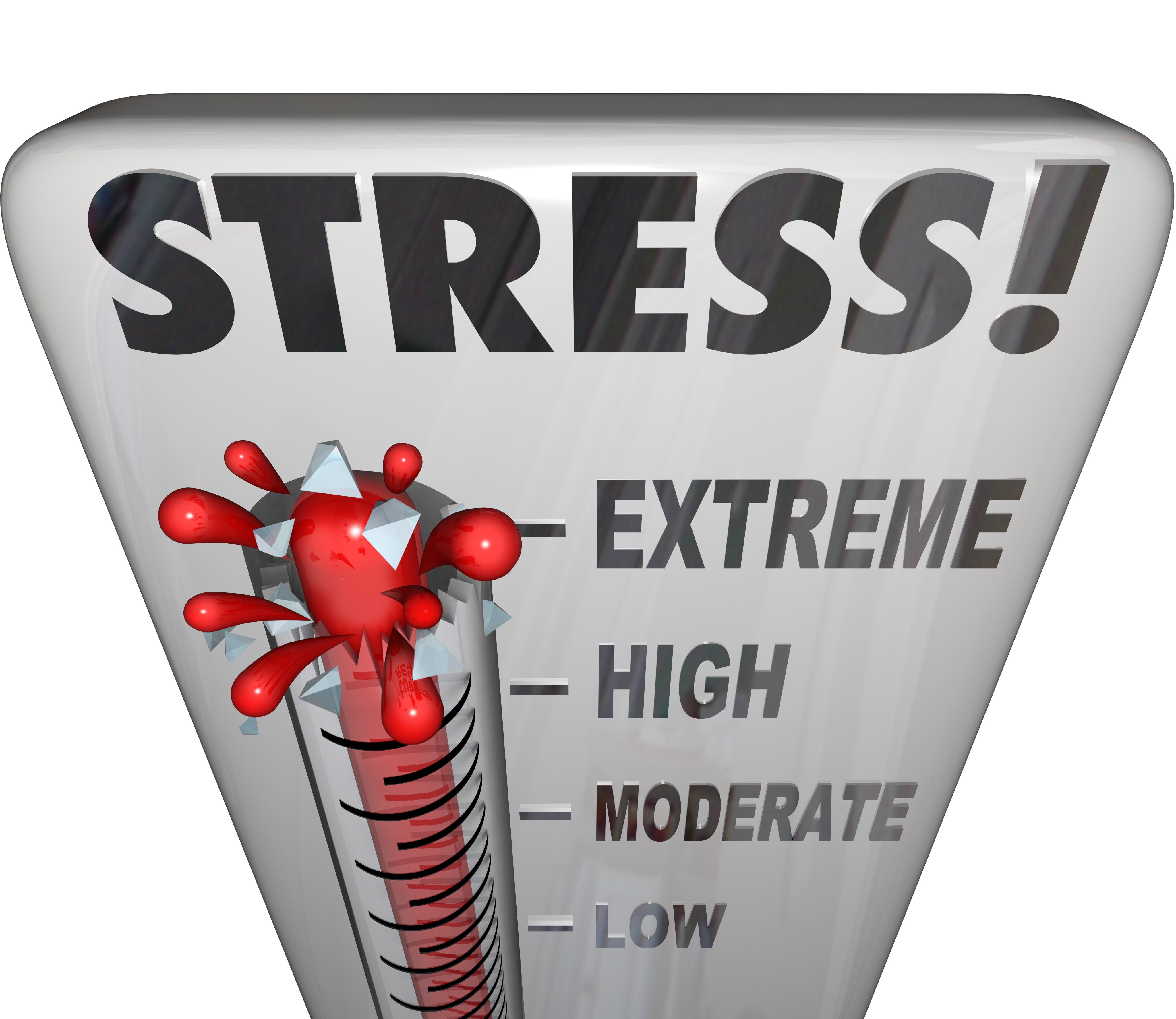
This month I wanted to cover why we are all in danger of getting burnt out by the stressful living we all seem to endure in this modern world we live in. Everything in life moves way too fast and our bodies just aren’t keeping up. Financial, relationship, work, nutrition, environmental and digestive stress are just some of the things that are having a major impact on your health and you may not even know it.

On top of that, being chronically stressed all the time will certainly hammer any performance gains, in fact the more stressed you are for longer, the fatter you will become.

Heres why….

The body is a complex animal, whilst we get on day by day doing our thing, our bodies are waging a constant struggle to keep things in balance, which we are completely oblivious to. You might feel stressed, but I am guessing you are not aware of the battle waging within your body.

The thing is, our bodies are simply not set up for this fast pace we find ourselves in. We evolved in nature and this is how our body still tries to act out.

Ever spent time away from the humdrum of life? With no technology around? Your brain switches off. “Getting away from it all” is of huge benefit to you and your health!

Our primal survival instinct is fight or flight (or freeze). When we are put under threat or stress our brains think our lives are in danger. It simply cannot distinguish between a sabre toothed tiger chasing us and the threat of a company deadline looming where you are pulling your hair out to achieve it. The response is identical.

The brain does not know the difference between psychological stress and physical stress. Under stress/threat your body still prepares for fight or flight, even though there is not a big cat chasing you!

Now this is great if we are about to jump on the matt for a competition or go for a grading, but in everyday life it is a different story.

Now that is great if your life is really in danger, but not if it is because you are doing a presentation at work.

Cortisol is the master stress hormone in your body. In times of stress the hypothalamus in your brain signals release of cortisol from your adrenal glands. Cortisol regulates the way your body uses various fuel sources, unlocking energy from the blood, muscles and fat cells to either run away or fight for your life and is essential for recovering energy for your body once the stress response subsides. When your adrenal glands are healthy you will produce around 40mg of cortisol per day.


Circadian Rhythms

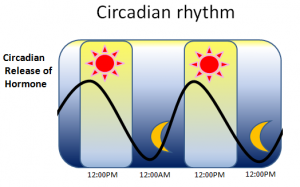
Cortisol production is an essential process within the body. It follows the circadian rhythms of your body over 24 hours. It naturally decreases in the evening and through the night to help promote sleep and then rises again in the early morning. The body allows it to rise to allow you to wake up and get moving. Once awake the cortisol levels present in early morning subside and continue to decline throughout the day.

Under normal circumstances your cortisol levels should fluctuate is a fairly rhythmic pattern.

Circadian rhythm

 The Problem with Excess!

When there is too much cortisol in the body brought on by stress, amino acids usually used for protein synthesis in the body are shuttled straight to the liver to be used for energy instead.


The Primary Role of Cortisol is to Help Mobilise energy for fuel 

So if you are involved in a strength program to build mass you may actually experience decreased muscles mass and increased fat storage if you have too much cortisol. You must take steps to reduce your stress/cortisol levels. Cortisol in the number one reason why athletes of all levels from recreational weekend warriors to pro level take 2 steps forwards and one step back in their training.

Remember the less stress in your life the more material you have for growth and repair. It is exceptionally difficult to be lean and healthy if you cannot control stress.

The biological stress response is supposed to be short to get you out of danger. If you are chronically exposed to it day in day out It will affect your health and performance. As mentioned before, body fat levels will increase. Prolonged exposure to Cortisol with elevate blood sugar for energy and will be stored as fat, especially in front of your abs!

Cortisol is one of the main reasons why you struggle to remove that layer of lard around you middle.

When there is too much cortisol coursing through your veins, your liver removes it as much as it can acting as a filter. The abdominal fat cells are used to remove cortisol from the blood. These fat cells have 4 times the amount of cortisol receptors than elsewhere in the body, making them respond strongly to fat storage when you are continually in a stressed state.

Excessive cortisol stimulates your appetite, since it is mobilising energy to deal with stress, it will make you crave sugary, high fat food.

When there is too much sugar in the blood, insulin steps in and removes it and puts any excess into your fat cells!


Adrenal Fatigue 

Adrenaline is a hormone produced by the adrenal glands and is also released in response to stress along with cortisol.

The main purpose of the adrenals is to allow the body deal with all types of stress from injury to disease or work and relationships.

Adrenaline released for short periods is not a big deal but becomes problematic when it is prolonged. When adrenaline is constantly being released the adrenals become exhausted and wear out.

Adrenaline is highly inflammatory and causes a subsequent increase in cortisol to drive down the inflammation.

Adrenaline resistance comes from too much stress: work, poor sleep, relationships, financial, excess caffeine consumption, stimulants like most fat burners, too much intense exercise.

Balance adrenaline by adding in more restoration activities: swimming, tai chi, Qi gung, yoga, joint mobility, meditation, massages, vacations.


Signs of Adrenal Fatigue

Check out the list below to see if you or someone you know can relate to any of the symptoms. If many of these seems familiar, then there is a good chance you are suffering from some form of low adrenal function or fatigue.

  1. Difficulty getting up in the morning
  2. Continuing fatigue, which is not relieved by sleeping
  3. Cravings for salt or salty foods
  4. Lethargy or lack of energy
  5. Increased effort to do everyday tasks
  6. Decreased Sex Drive
  7. Decreased Ability to handle stress
  8. Increased time to recover from an illness
  9. Light headed when standing up quickly
  10. Mild Depression
  11. Less enjoyment and happiness with life
  12. Symptoms get worse if meals are skipped
  13. Thoughts foggy instead of sharp and focussed
  14. Memory is less accurate
  15. Decreased tolerance of anything
  16. Decreased productivity


If you are relating to at least 3 of these symptoms then it is time to change your lifestyle to do something about it.

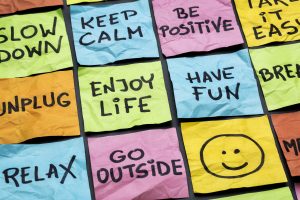
relax, keep calm, enjoy life


Steps to Reduce Excess Cortisol & Adrenal Fatigue

  1. Sleep – Aim to get at least 8 hours of quality sleep per night. Lack of good sleep can lead to excessive daytime tiredness and lethargy, morning headaches, poor memory, anxiety and depression. Remember Cortisol follows a similar sleep pattern. If you continually disrupt it you will become more stressed. Even better get into bed by 10:30, don’t become a night owl. Late nights induce stress as well as this is when your body regenerates. Remember the circadian rhythms.
  1. Ditch the junk food – Removing fatty, sugary and processed foods and Eating healthy foods such as fresh meats, vegetables (especially green leafy veg), fruits, nuts and seeds provides your body with all the nutrients it requires to maintain good health. It also helps reduce digestive stress. If you don’t like veg (really??) then get yourself a quality greens drink such as lean-greens.co.uk, packed with nutrients to aid the body.
  1. Drink more water – All of our organs, especially our brains, need water to function properly. If you’re dehydrated, your body won’t function optimally and that can lead to stress. Studies have shown that being just half a litre dehydrated can increase your stress levels. I recommend drinking 1 litre of bottles/filtered water for every 50lb of bodyweight per day.
  1. Avoid Caffeine – Caffeine is a stimulant that increases adrenaline in the body, the very hormone you are looking to reduce. Instead go for a glass of water or herbal tea. One of the best teas to have is Tulsi tea, well known for its stress-lowering effects.
  1. Exercise – Even 10 – 15 minutes of exercise will help bring your stress levels down. A High Intensity Interval workout would be best however even going for a short walk, doing some stretching or breathing exercises will help. Exercise also produces endorphins, which are Chemicals in the brain that creates a feel good feeling.
  1. Take Regular Breaks – You may have deadlines to hit but it’s proven that you will get more done by taking regular breaks. I recommend taking at least a 5 minute break for every 20-30 minutes worked.
  1. Have A Power Nap – If your stressed and tired then you’re going to be agitated and not be able to function properly which will make you even more stressed so if you can take a little 10 -20 minute nap to recharge your batteries. Daytime naps can boost memory and increase productivity, provided they are not too lengthy so that you wake groggy rather than refreshed.
  1. Learn to Say No – We seem to have developed a nasty habit of people pleasing and agreeing to do things we don’t really want to, which leads to stress. It is much more powerful to say no and be stubbornly protective of your time.  Only agree to things you want to do.
  1. Make time for laughter – EVERY DAY! – nothing is more powerful than laughter to set your frame of mind and reduce the feelings of stress. Start every morning reading or watching something funny. If you are stuck, then search out comedy clips from tv shows and stage shows and let the belly laughs roll.
  1. Schedule more fun stuff with your friends – Get out with your friends and schedule in some fun time. when was the last time you did that? go to the cinema, the beach bowling, paint balling, anything to let you just relax and take time out.
  1. Stop watching the news – How often do you see happy, empowering news? Exactly! the news is full of misery and sadness because misery sells. News providers know that people like to know there are people worse off than themselves to make themselves feel better. but when does a constant negative feed add to fun, love and happiness?
  1. Volunteer for something… because you can – Helping others less fortunate than yourself and believe me there are, without any thought for yourself is massively empowering. What can you volunteer for to genuinely help?
  1. Cut the negative people from your life – Spend time with people who make you smile and laugh and make you feel good. If you know people who make you feel down or doubt yourself then you know what to do. You do not need energy vampires draining the life from you.
  1. Turn off your mobile phone – Give yourself a break from your mobile phone, most people have smart phones which can mean one-quarter of the working day is lost to interruptions from e-mails, phone calls and text messages, adding to stress. A failure to switch off from work is driving up stress levels. Put it on silent and check it 1-2 times a day.
  1. Take Magnesium – Magnesium helps you to sleep restfully throughout the night and de-stress. Magnesium has a calming effect on the nervous system, meaning that if you are deficient your heart rate and sympathetic nervous system will be sent into overdrive. Additionally, lack of magnesium has shown to cause agitated sleep and frequent awakenings. Magnesium also makes your brain work better and improves memory!
  1. Get Some Vitamin D – Vitamin D is essential for bone health but it also plays a role in serotonin levels which affect your mood. So if the weather is nice get outside and get some sun or alternatively use a good quality supplement.
  1. Increase Vitamin C – Vitamin C is rapidly utilised by the adrenal glands in the production of all adrenal PRP Vitamin C Formulahormones (Cortisol). I recommend taking at least 3000mg per day divided up throughout the day.
  1. Treat yourself to a massage – Getting a massage on a regular basis can help to lower your heart rate and blood pressure and promote muscle relaxation it also helps to lower your stress levels and help with the feel good factor.


As you can see, it is vitally important to reduce stress to remain healthy. Our bodies are designed to cope with it in small burst, but continual stress from the numerous sources around today can affect your health. From a training perspective, it is vital to be able to control stress as it has a massive impact on getting lean and strong. Under normal circumstances cortisol helps mobilse energy from various sources, pretty important!

Next time you feel stressed out, get it under control and let it work for you!


To your strength and Health


Dean Coulson


Read More