coconut fresh cocktail
Health, Nutrition, palate, performance nutrition

Coconuts – The Ultimate Super Food

Are Coconuts the Secret to Optimal Health?

Back in the day when I was young I didn’t like coconut.

The reason?

Because I didn’t like bounty bars, the texture and flavour was just awful. So from then on I just decided that I hated coconut.

True Story!

That truth stayed with me for 20 years until I was offered some fresh coconut after some scuba diving and never looked back.

Anyway…

Since then I have used it extensively because of how beneficial it is to our health and so I thought I would share this with you in this article.

Now coconut is available in many different products these days (oil, water, milk etc) and all of it is excellent for you.

In fact I would call it a food of the gods, a true super food with many many health properties.

So can this humble fruit really be a complete superfood that can help prevent heart disease and enhance restorative health? Lets find out…


So why is it so good for you?

It has a unique combination of fatty acids that can have some incredible benefits including

  • fat loss
  • improved brain function
  • Stabilize Blood Sugar
  • Regulate Hormones
  • Increase thyroid production
  • Fight infections
  • Kill viruses
  • Kill bacteria
  • Help with brain development

and a whole host of other stuff having a positive impact on our health. It has even been used for blood transfusions as it closely mirrors the properties of our blood!coconut

So I wanted to share with you why you shouldn’t be without it

For a long time coconuts were deemed bad for us by the anti-fat brigade as they contain saturated fat. The myth that fat makes you fat has long since been debunked, however to the uninitiated these rumours still linger on and so confusion still ensues.

The thing is, despite having almost 90% saturated fats they come in the form of medium chain Triglycerides or MCT’s. Unlike normal saturated fats from say meat, MCT’s are metabolised differently. They go straight to the liver where they can be used as a quick source of energy. That is why having a spoonful of coconut oil helps with carb cravings. Not only that but they can also have therapeutic effects on several brain disorders.


Health Benefits of Coconuts

Straight out of the gate. For those of you who are allergic to nuts and think you cannot eat coconut…

Coconuts ain’t nuts, they are a fruit!

Even though the western diet is just now embracing coconuts and all of its guises (coconut meat, coconut oil, coconut water, coconut milk, coconut flour etc), it has been used in some parts of the world as a staple of the diet for various civilisations for centuries and all report excellent health and no evidence of heart disease. In fact these populations have thrived!

Whether you’re eating the meat, drinking the juice, or consuming it as oil, coconuts are a delicious and nutritious source of fibre, vitamins (C, E, B1, B3, B5 and B6) and minerals (iron, selenium, sodium, calcium, magnesium and phosphorous). This makes them excellent for all round health health.

Lets look at the various ways we can use coconuts and their properties and see why it is so beneficial…


organic virgin coconut oil raw biona-400gCoconut Oil

Coconut oil is ideal for all sorts of cooking and baking, as it can withstand higher temperatures without being damaged. Many oils have a low ‘smoke point’ where they are damaged quickly by heat (vegetable oil, for example, should not be used for cooking for this reason).


Healthy Immune System. 

 Coconut oil is made up of healthy fats lauric acid, caprylic acid and capric acid which contain antifungal, antibacterial, antiviral properties to boost the immune system. Lauric acid contains the highest concentration of MCTs, approximately 75%. The body turns this fat into monolaurin, proven to be an effective antibacterial and antiviral agent, which is claimed to help treat some of the most resilient of illnesses such as influenza, cytomegalovirus, helicobacter pylori, urinary tract infections, bronchitis and candida.

Coconut oil therefore helps protect the body from infections, viruses and diseases


Protect Skin

Coconut oil can also be applied in other ways that doesn’t even involve it being ingested.

The oil is excellent for protecting your skin and has antioxidant properties, slowing down free radical damage and aging and can be used to treat skin conditions including eczema, psoriasis and dermatosis. This provides an excellent alternative to using cosmetics full of chemicals.

Studies on individuals with dry skin show that coconut oil can improve the moisture of the skin, can be very protective against hair damage and studies have shown effectiveness as sunscreen, blocking about 20% of the sun’s ultraviolet rays.


Better mineral absorption

Eating coconuts also supports the development of strong, healthy bones and teeth. It does this by improving the body’s ability to absorb calcium and magnesium. It also prevents osteoporosis, a condition which leaves bones thin and fragile and lose their density.

fresh_coconut

Coconut milk

Coconut milk is made from a brew of coconut meat and water. Rich and thick and more like cream than milk. You can also get a thinner consistency version created to be used as a milk substitute too and as a refreshing drink.

Unlike cow’s milk, coconut milk is lactose free so can be used as a milk substitute by those with lactose intolerance. It is a popular choice with vegans and makes a great base for smoothies, milkshakes or as a dairy alternative in baking.

It is also a great alternative to human breast milk as it is high in fat and contains a lot of the same properties for babies to thrive on.


Coconut waterVita coco - coconut water

The great thing about coconut water is that it is an all-natural way to hydrate, reduce sodium, and add potassium to your diet. Dubbed nature’s sports drink, it gives all the benefits of a sports drink without the sugar and other often unnecessary ingredients.

It still has some carbohydrates which are completely natural and easily absorbed to replenish depleted stores after a training session as well as containing electrolytes to balance lost fluids.

Most people don’t get enough potassium in their diets because they don’t eat enough fruits and vegetables, so coconut water can help fill in the nutritional gaps.

Coconut water is a nutritious and relatively low-calorie way to add potassium to your diet and keep you well-hydrated if your budget allows it.

Coconuts are a natural water filter and takes almost 9 months for a coconut to filter every quart of water stored within its shell. This makes the resulting coconut water completely pure and sterile, which is one reason why it can be used for blood transfusions.

Coconut Flour

Coconut flour is a healthy way to add coconut flavour to baked goods.  It also gives you an alternative to wheat, which contains gluten. Gluten can be an intestinal irritant to a lot of people and so it is wise to substitute it.

Coconut flour provides a great alternative as it contains a lot of fibre and has health benefits for people with diabetes, too: adding coconut flour to baked goods lowers the glycaemic index.


Coconut Meat

Lastly, lets not forget the meat of the coconut.

Coconut meat is perfect for low carb diets and is crammed with fibre, needed for good digestion. On the flip side, coconut meat is the nutritional opposite of what you’d expect from a fruit: It has a higher fat content than carbs, but as mentioned before, these are good fats and essential for our health.

You can buy in several forms. From a fresh whole coconut to dried and flaked.


Why you should add Coconut to your Diet…


There are so many things coconuts can help with it is hard to justify why you shouldn’t have some form at least daily. Lets break down the benefits coconuts are to your health

  • Prevents Obesity – It helps Prevent Obesity by speeding up your metabolism, providing an immediate source of energy with fewer calories than other fats.  People who consistently use coconut products, report a stronger ability to go without eating for several hours with no effects of hypoglycaemia (low blood sugar)
  • Improves Heart Health – providing healthy medium chain triglycerides (MCT’s) that are essential to good health.  Helps to lower the risk of atherosclerosis and protect against heart disease.  Studies have shown that populations in Polynesia and Sri Lanka, where coconuts are a dietary staple, do not suffer from heart disease.  Unlike other fats, the unique properties of coconut also contain a large amount of lauric acid, which is the predominant fatty acid found in a human mother’s milk.
  • Improved Digestion– Many of the symptoms and inflammatory conditions associated with digestive and bowel disorders, by supporting absorption of other nutrients including vitamins, minerals, and amino acids while also providing beneficial dietary fibre.
  • High in Dietary Fibre –rivalling other fibre sources. Coconut supplies an impressive 61% dietary fibre!
  • Reduces Sweet Cravings –Coconuts improve insulin secretion and utilization of blood glucose.  The healthy fat in coconut slows down any rise in blood sugar and helps to reduce hypoglycaemic (low blood sugar) cravings.
  • Low Glycaemic Index (GI) – Coconut fibre slows down the release of glucose, therefore requiring less insulin to utilize the glucose and transport it into the cell where it is converted into energy.
  • Healing Properties – Coconut contains No Trans-Fats, is Gluten-Free, Non-Toxic, Hypoallergenic, and also contains Antibacterial, Antiviral, Antifungal, and Anti-parasitic healing properties.  Coconut helps to aid and support overall Immune System functions.
  • Brain Health. Helps prevent strokes and other brain disorders such as Alzheimer’s and Parkinson’s
  • Quick Energy Boost – Coconut provides a super nutritious source of extra energy.  It is utilized by the body to actually produce energy, rather than to store it as body fat.  It supports improved endurance during physical and athletic performance. As well as promoting healthy thyroid function and helps to relieve the symptoms of chronic fatigue.


Conclusion

With so many positive properties, coconuts are truly a super food and should be added to your diet daily. From cooking in coconut oil, to using coconut water to rehydrate and using coconut milk as a healthy alternative to cows milk, there are dozens of reasons why this should be at the top of your list for healthy options to buy.


To your strength and Health


Dean Coulson
Read More
Healthy Living
Health, Nutrition

Oestrogen Dominance

The Silent Destructor of our Health


Health is so much more than what you eat, it is what you are exposed to on a daily basis.

As you are probably aware, the food industry makes a fortune at our convenience by creating convenient fast food for us to consume because of our “hectic” lives.

But who makes them hectic?

What if we just slowed down a bit and took stock of what we deem is important, starting with our health

Health should always be covered first, not the overtime and the lack of sleep or stress brought on by a stressful job or hectic lifestyle.

Here’s the thing, our modern crazy world has fallen foul of convenience and we have become exposed to a silent destructor of health.

Oestrogen

Oestrogen is the female sex hormone. So you would think that this only applies to females, but I would like you to think again.

As a species both males and females have both male and female sex hormones in different ratios for obvious reasons.

But what if I told you that because of modern living, the balance is being tipped in favour of oestrogen? Too much oestrogen in fact.

What does that mean exactly?

Hormones in our bodies need homeostasis, they run a fine balance. Testosterone, oestrogen, progesterone, insulin, leptin, ghrelin, cortisol and Growth hormone are major hormones that rely on this fine balance. When it is upset, a hormonal cascade occurs. All of our hormones affect each other, so if that balance is tipped it can wreak havoc on how we feel, look and behave.


Oestrogens in the Environment

As a result of very rigorous research it has been found that potent oestrogenic substances in the environment commonly known as xeno-oestrogens, are potentially capable of causing many of the problems associated with oestrogen dominance, particularly in men.

It may have surprised the guys reading this to find out that oestrogen is found in their bodies – in fact, not only do they produce it, but it’s essential for healthy bones, brain and libido.

The problem of oestrogen dominance is compounded by the raised levels of oestrogen in our food, water and environment.

The so-called xeno-oestrogens – chemicals found in pesticides, plastics and other materials – mimic the effect of oestrogen and are fat-soluble, so store themselves in the body.

Although it is impossible to quantify, there is little doubt that our exposure to some 70,000 manmade hormone disrupting chemicals are part of the reason for the explosion in breast and prostate cancer.

Many of these compounds, from the now banned pesticide DDT and the most insidious of all industrial pollutants, PCB’s, mimic oestrogen by virtue of having a similar structure. Many of these compounds are like poison to the body, and can sometimes latch onto the oestrogen receptor sites on cells triggering abnormal growth messages.

These chemicals are widely used to protect plastics from oxidation in the plastics industry. It is a versatile substance that binds easily with fats, making them ideal for use in paints, detergents, lubricating oils, toiletries, agrochemicals and many other products.

These nonylphenols are difficult to get rid of and they persist in the environment for a long time. It is stored easily in the fatty tissues of animals. Up to one third is estimated to end up in rivers and lakes. Nonylphenols have been in use for around 40 years.

Plastic is almost impossible to avoid in our modern lifestyle. But it is something you can drastically reduce exposure to your food, especially if the food is hot, acidic or liquid.

Soft plastics use plasticisers added for transparency, durability and flexibility. These plastics such as nonylphenol or bisphenol-A (BPA) can pass into our foods and disrupt our hormones.

Things such as pre-packaged foods for the microwave, food cans and cartons are lined with plastic. BPA has recently been banned from baby bottles but still remains in a lot of cans used for food.

Cling film is another product I would avoid as much as possible.BPA Free Label

Also check household AND cosmetic products you buy for the following chemicals:

  • Bisphenol-A
  • Noyplhenol
  • Octoxynol
  • Octylphenol
  • Ethoxylate
  • nonoxynol

Look to use environmentally friendly household chemicals, toiletries and chemicals instead, safer for you and the environment.


How to Avoid Hormone Disruptors

Diet, environment and lifestyle can contribute to factors that can unbalance your hormonal health. However, armed with knowledge and a good understanding of what you can do you can protect and improve your health.

The first step is to minimise your exposure to hormone disruptors.

What are hormone disruptors?

They are chemicals that enter our bodies via the food we eat or the air we breathe or what we come into contact with. Many of these chemicals are now banned, however it isn’t easy to eliminate all of these substances because they are all around us, in our food, water, air and household products.


Oestrogen Dominance and Thyroid Function

Thyroid hormone and oestrogen have opposing actions, Oestrogen essentially causes food calories to be stored as fat, whereas thyroid hormone causes fat calories to be burned for energy.

If Oestrogen levels are high, this leads to excessive production of thyroid binding globulin by the liver. That means excess oestrogen can stop your cells using thyroid hormone, which is used to release energy to your cells. This can lead to tiredness and fatigue.

This is one of the reasons why it can be indicated that you have normal thyroid levels in your blood, but you could still show classic thyroid problems.


The Oestrogen Effect

Men

Men naturally produce small quantities of oestrogens. However, they also are exposed to the same level of environmental oestrogens as women. The effects of having too much are Healthy Spermlikely to be very profound. This indeed appears to be the case as the following facts show what has happened to men’s reproductive system in the last fifty years.

  • Sperm production has dropped a massive 50%
  • Sperm quality and the volume of semen have declined
  • Undescended testes that fail to descend into the scrotum is now three times more common than it was 30-40 years ago.
  • Serious developmental abnormalities of the male sexual organs are increasing.
  • Cancer of the testes has trebled in Britain

These effects are potentially devastating for future population health and growth.


Women

As well as Oestrogen like compounds found in food, air and water, plastic residues and exhaust fumes as does the contraceptive pill and HRT. From the age of 35 to the menopause, women have many cycles in which an egg is not released due to lowered oestrogen levels, and the absence of ovulation means that no progesterone is produced. This leaves women with a whole monthly cycle when oestrogen becomes unopposed by progesterone. When this is looked at in combination with a poor diet, and the effects of environmental and industrial oestrogens it can easily be seen how women are now becoming oestrogen dominant.


Excess Fat

Because excess oestrogen reduces the body’s ability to process and metabolize fatty acids because oestrogen competes with thyroid hormone in the cells. The fatty acids from a meal makes it more likely to remain in your system and be deposited in fat stores. Further, fatty tissue itself produces oestrogen which in turn makes the body ‘better’ at storing fat. What is worse, the action of oestrogen also inhibits your body’s ability to effectively use fat stores for energy. The result is extra weight that won’t go away even with more exercise or less eating. It is a vicious circle.

In men excess oestrogen is stored in the chest are and is affectionately known as man boobs or moobs. In women it gives rise to the “classic” pear shape with excess fat stored in the thighs and bum.


What Can Be Done?

Many of the health problems associated with oestrogen dominance are also linked to a variety of other factoestrogenic plastic trayors of which diet and lifestyle are as significant as unbalanced hormone levels. Natural hormones when in normal balance keep us fit and healthy and have many benefits. When your hormones are balanced and healthy then the rest of your body should be healthy too.

The basis of a good healthy nutrition program involves plenty of vegetables and fruits, protein, fats and ample water.

Using the following rules will go a long way to clearing your body of excess oestrogen and maintain a healthy hormonal Balance:

Eat Organic. This minimises exposure to pesticides, fungicides and herbicides. If you are eating non organic produce, make sure you wash it. The best way is with an acidic solutions such as 1 tablespoon vinegar to a bowl of water to reduce some of the residue.

Drink Filtered Water. If possible, install a water filter under your kitchen sink and connected to your mains water supply with some carbon filtration system. If not, stick with filtered water in glass bottles as much as possible.

Don’t heat food in plastic. There is simply no way of knowing what chemicals are in these plastics until the plastics industry discloses that information. So stop eating TV microwave dinners.

Minimise Liquid foods in plastic. The chemicals from the plastic leach into the liquid. So things like canned fruits and vegetables, buy the real thing instead

Minimise Fatty foods in plastic. Again, some plastics have chemicals that leach out into fatty food including crisps, cheese, butter, chocolate etc.

Minimise plastic exposure on your food. Store food in metal containers or ceramic containers. Avoid foods sold in plastic trays with cling film over the top.

Reduce pesticides in your garden. Some of these pesticides contain hormone disruptors.

Switch to natural detergents. Look to use only ecological detergents for washing clothes, dishes and for personal hygiene. Also if you are washing dishes, always rinse afterwards.

Eat ‘oestrogen-clearing’ foods. Boost your intake of foods that shift excess oestrogen out of your system.

Eat the following oestrogen clearing foods: 

Citrus fruits, shown to help with oestrogen ‘detoxification’. Lemons and limes are the best. Juice them fresh and add the juice to 1 pint of water on waking.

Cruciferous vegetables such as broccoli and spring greens contain a nutrient called indole-3-carbinol which has been shown to help reduce the body’s load of excess oestrogens. Try to eat 2-3 servings per day. Other cruciferous vegetables include asparagus, cauliflower, spinach, Brussels sprouts, celery, beetroot, kale, cabbage, radish and turnip.

Increase insoluble fibre. Boost your intake ofinsoluble fibre because it binds itself to extra oestrogen in the digestive tract and carries it out. Good sources include  brown rice, lean-greens.co.ukseeds, carrots, cucumbers, courgettes, celery and tomatoes.

Use ground linseed, psyllium seed, pumpkin seeds. When the body is oestrogen dominant, these ‘new’ plant oestrogens bind to your body’s oestrogen receptors, reducing oestrogen and reducing fat storing. Add 2-3 tablespoons a day of ground flaxseed, sesame seeds or oil to smoothies, salads, or sprinkle over steamed vegetables.

Increase your intake of plant based phytoestrogens. Found in nuts and seeds as well as beans, these help protect against excess oestrogen.

Add protein to every meal, look to buy organic wherever possible.

Increase Calcium rich foods. Keep up your consumption of calcium-rich foods (such as almonds, broccoli, kale, bok choy, figs, sardines and salmon) to preserve bone health. 

Add Supplements to your diet. With the best will in the world it is always good to cover bases with a complete vitamin and mineral supplement. I recommend the use of a good greens drink. Lean greens (www.lean-greens.co.uk) is my choice.


Things to avoid

  • Foods high in saturated fats (such as bacon, sausages, ham, chips, crisps, biscuits, pastries) have been linked to higher levels of oestrogen circulating in the blood;
  • Refined or processed foods (anything containing white sugar and white flour) raise blood sugar levels and stimulate the release of the hormone insulin to mop up the excess sugar. This in turn negatively impacts hormone balance. This includes sweets, cakes, biscuits, jam, pastries, chocolate, and too much sweet fruits like bananas, pears, apples, etc. and no tinned fruits;
  • Studies show that two cups of coffee a day can increase oestrogen levels;
  • Alcohol. Oestrogen is not efficiently broken down by an overtaxed liver. The liver is affected when you have two or more drinks a day. Also most beers using hops have an oestrogen like effect on the body. If you are going to drink, look for cleaner forms of alcohol to drink.
  • Soya products. Largely used as an alternative to dairy milk, the processed soya in most soya products on supermarket shelves mimic oestrogen, so are best avoided completely.


How does that affect you?

When keeping healthy, you need to train hard but also give your body the best chance to work for you and that always comes back to what you ingest. Nutrition and health are closely related and being aware of your nutrition is only part of it. Being aware of the many challenges we face in our modern world when it comes to health helps us become the healthiest version of ourselves and the best version of ourselves.

So eat well, stay mindful of the other things mentioned in this article and you will be fine


To your strength and Health


Dean Coulson

Read More
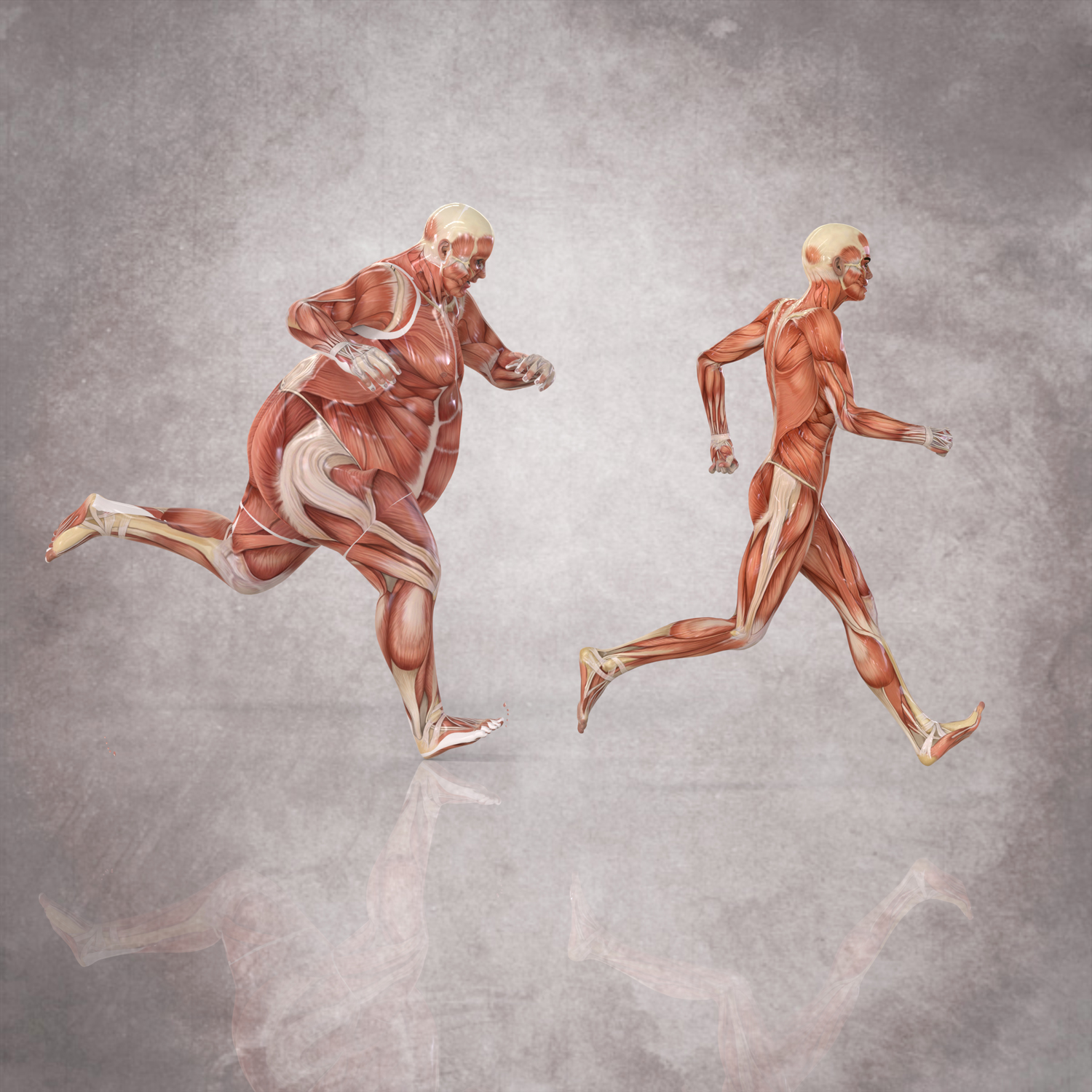
Overweight man running
Health, Nutrition, performance nutrition

10 Fat Loss Myths – BUSTED!

Busting The Common Misconceptions of Fat Loss


Today I am dispelling some common myths the general populous have regarding how to get “in shape” and becoming a leaner, healthier version of themselves

The focus is all wrong, it is not about weight loss or diet this or diet that. It’s about health and how you can help your body help itself so you can feel full of energy and vitality, whilst dropping unwanted fat.

So What is a Diet?

Everyone has a negative connection with the word diet.

The ‘D’ word has gotten such a bad rap because everyone thinks “calorie restriction”, much of the health and fitness profession have all but given up the ‘D Word’ altogether, opting instead for ‘eating plan’ or ‘program’ or, well, anything other than diet.

So let’s get clear on the definition of the word diet so that using one is no longer the negative thing that many people seem to make it out to be.

Here is the dictionaries version…weight loss scale

According to Dictionary.com The word ‘Diet’ actually means:

Food and drink considered in terms of its qualities, composition and effects on health.

A particular selection of food prescribed to improve a person’s physical condition or prevent or treat a disease.

It takes the concept of starting a diet from being a negative, faddy and potentially harmful one to one that’s positive and beneficial to health.

Think of a diet as being:

The Way You Eat Every Day To Look, Feel and Perform At Your Best.

A diet should be; the way you eat to look, feel and perform at your best! In fact, that sounds an even better definition than the dictionary don’t you think?

Forget the negative meanings round the word, time to reprogram and see it for what it is.

This definition of diet allows you to eat freely of those foods that contribute to looking, feeling and performing at your best without having to worry about calories, portion control or any of the other nonsense normally associated with that old, tired, restrictive definition of diet that most people insist upon using.

Sound good to you?

The successful ‘diet’ is the one that is sustainable for you.

Health is Priority

Everyone’s main priority should be health and that runs much deeper than skin deep. Vanity is so prevalent in society these days that people will try anything to look good, even if it’s to the detriment of their health.

Healthy bodies don’t hang on to unwanted fat

Health is not weight loss, you can still be lean and unhealthy. Our bodies are complex organisms and have a delicate balance surrounding what we ingest, as that affects our hormones, which in turn affect our behaviours. Sustained calorie restrictions cause problems. Your metabolism down regulates (slows down) to protect the body, lack of calories affects bodily processes and how hormones are produced. It is a disaster for your long term health.

The purpose of this article though is not to dissect diets, it is about busting a few myths regarding health and weight loss to help you get your head in the game when it comes to sports performance.

To train and compete you have to be in shape, you also have to have a body that can recover quickly, give you energy on demand and a feeling of positivity every time you step on the mat to train or compete.

So let’s get busting some myths that you can move forwards and become that leaner, fitter stronger version of you:

unhealthy lifestyle warning signMyth #1- I go to the gym so I can eat what I want

This is one of the most common things I see people do.

Can I categorically state that you just cannot out train a bad diet! It is much harder to burn calories than it is to put them in your body! Drinks in coffee shops can put in up to 700 calories in a matter of minutes and it is rare that you just have a cuppa, cakes/biscuits usually follow.

You could consume a whole pizza 1000+ calories in minutes. In fact if you got someone on a treadmill and ran the whole time you ate a pizza, the calories burned by the run would be nowhere near that figure.

While we are at it stop labelling bad foods “treats” to eat for give yourself a pat on the back for training. It is an excuse to eat crap whilst trying to justify it to yourself that it’s alright.

Take responsibility for your actions. You don’t train to eat rubbish, you train to feel better about yourself!

Myth #2 – Weight loss is the same as Fat Loss

People get confused by this. When you have weight loss through calorie restriction, it isn’t just fat, it is also fluid and muscle too. To have a healthy lifestyle you must add metabolic resistance training into it to preserve muscle tissue and get your body burning into your fat stores. Training this way with a good nutrition program is a sure fire way to let you hang onto your muscle, whilst burning fat.

Myth #3 – Cardio is great for Fat Loss

Whilst I am not knocking aerobic training such as running, there are far better ways to A) get fit and b) lose fat. Just like a car, which will become more efficient with fuel the longer it goes, so it is with running. Over time your body actually becomes efficient at burning fat for energy and so requires less of it. Plus it only burns calories whilst performing the exercise.

Anaerobic type resistance training however will help burn into your fuel stores for hours later through a process called EPOC (Excess Post-Exercise Oxygen Consumption) where the body uses energy to return your elevated metabolism to its resting state.

If you want to supplement a healthy diet, run some hill sprints, which are highly effective for fat loss.  High Intensity Interval Training (HIIT) is also a great way to get in shape, but make sure you have a coach who understands goof movement as HIIT places high demands on your body, not just fitness but functional movement too.

Myth #4 – BMI is Accurate

The Body mass index or BMI has been used by doctors for years. However, it is incredibly inaccurate, especially for someone who exercises and looks after themselves. The premise is that it assumes everyone on the planet is equal! Crazy right?

2 people can be the same weight, but a completely different body composition. Take a couch potato who is overweight at 250lb, then take a body builder who weighs the same and is the same height, yet the BMI classes them both as clinically obese! When achieving fat loss and getting into shape it is better to ditch the scales and go for measurements and how you look!bmi-comparison

Myth #5 – A calorie is a calorie right?

The biggest problem I have with calorie restrictive diets is that all calories are not created equal, 100 calories of broccoli is not the same as 100 calories of chocolate, but sliming clubs treat it that way.

They are great marketers and want you to think that you can eat what you want AND lose weight. Unfortunately the biggest problem is that with this method, you eat food that can be toxic to your body, your liver cannot handle the load and becomes overstressed. It needs to get the toxins out of the blood quickly and so dumps them in your fat cells.

Short term you may lose weight, however if you lose weight whilst continuing to pour toxins into your body from poor food choices such e.g. takeaways, you become a smaller version of you so the toxins have a greater effect on you. You are MORE toxic!! Your body literally rebounds by increasing fat storage to remove the danger and you are back where you have started.

If however, you forgot about a calorie restrictive diet, binned the rubbish foods and ate natural whole foods (organic meats and poultry, eggs, fish, vegetables, fruit, nuts and seeds) as well as lots of clean water, your toxic load will be lowered, your liver would not be stressed and would be able to perform more normally. The result is fat loss and less toxins, which allows you to keep the weight off.

Myth #6 – You Can Eat Anything You want as long as there are less calories

This one is just to spell out the fact that you have to look after yourself from the inside out. I know and have seen fit looking people that have poor eating habits.

I will let you into a little secret, unless you start with internal health (i.e. what you ingest both physically AND mentally) you are on a long road to ruin. The body is an amazing machine and will try and adapt to every situation, but if you constantly abuse your bodies then at some point you will come a cropper.

Diseases and conditions with manifest because of the constant abuse, from acne and eczema to more serious conditions even cancer.Portion Control Sign

People can go day by day eating malnourished foods to the point where they are Overfed, but starving to death. By eating nutrient deficient foods, your body constantly tells you to eat, desperate for food it can use and replenish vital vitamins and minerals. However if you continue to put in processed garbage then it will lead to lead to constant hunger and weight gain.

Your body is telling you what it wants, you have to listen, and no it is NOT telling you to go to McDonalds!!!

Myth #7 – It’s ok to starve yourself

This is the opposite side of the coin

Some people diet too hard and in turn basically shut off their metabolism.

When you cut calories too low your thyroid will shut down and losing fat will become very difficult. One easy way to monitor this is by taking your temperature when you wake up. If it starts dipping way below normal you’ll know you’ve royally screwed up your metabolism.

At that point the best thing you can do is crank your calories through the roof for a few days, or even weeks until you get back to normal. Nothing else will help.

Myth #8 – Sleep is overrated, I don’t need it

When you’re short on sleep your insulin sensitivity decreases and your cortisol goes up. Both things lead to less than optimal fat loss.

You also miss out on the critically important Growth Hormone boost that comes each night during deep sleep. If you want to lose more fat you have to get more sleep. Most people will ignore this and some of you are probably reading this when you should be asleep. Unfortunately this just might be the most important thing on the whole list.

More sleep improves EVERYTHING. Make it a priority.

Myth #9 – Quick Fixes Work Every Time

How long did it take you to become overweight? How much time and effort went into it? How many crappy meals did you have to eat and how many training sessions did you have to miss?

Add all that up and you’ll get an estimate of how long it’s going to take you to lose that fat.

There are no quick fixes. They just don’t work and you always rebound and gain the fat back later. The only thing that works is a complete lifestyle change.

That and accepting the fact that it’s going to take some hard work and dedication to the cause.

Myth #10 – Stress? That doesn’t matter

Stress related wordleWhen you get stressed out your body produces a hormone known as cortisol. This increases body fat storage if it’s not controlled. Most people are stressed out all day long which means their cortisol levels are always high. That leads to an increase in body fat even if your diet and training are perfect. So make sure to take the time to de-stress, mediate, laugh, do something fun and try not to take things so seriously. Stress management is overlooked and is key in fat loss.


What should you do to get Healthier and Leaner?

To summarise, to become that lean healthier version of you, this is what you should be doing…

  1. Reduce the stress in your life
  2. Get more sleep
  3. Eating cleaner whole foods at least 80% of the time
  4. Drink plenty of water and cut down or remove caffeine
  5. Focus on long term lifestyle changes
  6. Eat Enough Food every day (but not too much), work on portion control.
  7. Reward yourself with items that make you feel good, don’t undo your hard work be losing weight and them eating rubbish!
  8. Focus on how you look in the mirror not what the number on scales say
  9. Make sure you do resistance training to preserve muscle tissue
  10. Do high intensity conditioning instead of long distance running to keep yourself lean


Do this and you will start seeing that leaner, healthier version of you in the mirror.


To your strength and Health


Dean Coulson

Read More
Counting Sheep to sleep
Health, performance nutrition

No Time To Sleep

Sleep Is Vital for your Health and Wellbeing

You know you need it. You also know roughly how much you should have and yet you still don’t get enough.

But the truth is, in this modern world it seems that sleep is vastly underrated…

It gets in the way of a night out

Whats on the TV

“Unwinding”

Having to get to work

Etc etc

In fact more often than not sleep is just not even considered as vital for your health.

The chances are, you are not fully aware of what sleep actually does for you and how you can maximise your immunity, health and performance.

Having trouble sleeping and tossing and turning all night is a sure fire way to make you tired and cranky the following day. The whole day becomes a struggle, you need caffeine just to get through the day, your productivity tanks and you end up going to the gym for a rest rather than a brutal training session.

Sound familiar?

Lack of sleep is also something that can disrupt your health. Your productivity through the day will be affected, lack of concentration, a lack of energy and a lack of clarity and focus are just a few of the symptoms a lack of rest brings. And if you are exercising (as you should be) it can stop muscle gain and halt fat loss dead in its tracks, which can have a real adverse effect on your overall health and wellbeing.

Imagine though, how cool would it be to grab a good, refreshing night’s sleep and what it could do for you. You wouldn’t need to survive on caffeine (which in excess is damaging your adrenal glands by the way), your sugar cravings would subside, and your performance at work and in the gym or at your martial arts sessions would be more effective!

I am sure you have all heard the myths about getting in 8 hours kip and all is good, you will be fresh and busting with energy. However, our bodies are way more complex than that.

It isn’t just a simple case of climbing into your pit and closing your eyes.

Other factors are involved such as…

Do you need a certain amount of hours?

Do you need to go to bed at the same time?

How much does sleep quality matter?

Is it a combination of all of them?

Let’s look at these questions and break down the important facets of sleep as follows:

  • The various sleep stages
  • The benefits of sleep
  • How you can optimise your sleep time

Sleep Stages

Sleep can be broken down into 4 stages


Stage 1 – Characterised by drowsiness, relaxation of all your muscles and shallow breathing. This occurs in the first ten minutes or so of the sleep cycle.

Stage 2 – Your Heart rate slows and your body starts to relax in the next 10 minutes of the sleep cycle. Your body temperature starts to drop and you become unaware of what’s going on around you.

Stage 3 – Rapid Eye Movement (REM) sleep. This occurs multiple times per night and is characterised by dreams due to increased brain activity and an increased heart rate.

Stage 4 – Deep sleep. The stage you must reach for as long as possible, every night.


The Benefits of Deep Sleep

Sleep is a vital part of the way your body recovers and recuperates from whatever stresses you throw at it over the course of a day. Sleep is not a luxury, it is mandatory for your mental health and wellbeing!

From a health perspective sleep must be considered just as important as training and nutrition. You cannot hope to be at your best at the activities you perform through the day and be able to train intensely on a regular basis if you are not giving your body enough quality recovery time.

Think of it this way, the longest recorded duration a person has gone without food is 40 days, most people can survive 30 days without food. With sleep it is 11 days, however after 2 days you can hardly function, concentration is poor and hallucinations occur after 4 days.no time to sleep

When you’re lying asleep, your body slides into a period of low metabolic activity. During this time there is increased blood flow to your muscles as less is needed for digestion, movement etc.

There’s also a large release of growth hormone during sleep. Growth hormone is VITAL to muscle rebuilding and repair, fat loss and indeed all round health, and is the main reason why people suffering from a lack of sleep tend to be at an unhealthy weight and have the strength of a baby!

Increased muscle building means a greater muscle mass and a higher metabolism. Ultimately it means you are burning more calories at rest and the next time you train. Growth hormone is known as a ‘fat burning’ hormone rather than a ‘fat storage’ hormone and is released in episodic waves during your sleep, with the largest wave coming around an hour after you sleep.

In 2000 a study by Cauter et al found that deep sleep decreases from 20% of total sleep time in males under 25, to 5% in males over 35, with a corresponding fall in human growth hormone.

This makes it particularly important for adults to pay greater attention to ensuring they maximise deep sleep as they get older if they are hoping to reduce body fat.

The recovery process, when maximised will also help ensure you don’t feel so stiff or sore after a high intensity weight or conditioning sessions so make the most of it. Ignoring your body’s need for regular patterns of deep sleep will find yourself struggling through training sessions and not getting any reward for your efforts!

Lack of sleep tends to compromise your immune system and allow a greater susceptibility to colds and infections and just a general feeling run down. Indirectly this will hamper your attempts to get rid of your belly as you won’t be able to train and are likely to feel a greater need to comfort eat.

Finally deep sleep ensures your memory, reaction time and mental alertness remains high. This will do wonders for your day job and training sessions alike.

Sleep Optimisation

Implement as many of the following practices into your daily / nightly routine and you will soon feel more energetic, more alert at work and able to push through your training sessions on your way to a strong, lean, high performing body!

These tips are written in no particular order. Don’t pick and choose – do them all for the best results!

  1. Go to bed and get up at the same time every day. Your weekends should not be much different otherwise you will still confuse your body.
  2. Reduce electromagnetic forces from around you such as tablets, mobile phones, radios and televisions as these may interfere with your brain activity.swich off mobile
  3. Minimise light and noise by using dark curtain, eye shades and ear plugs. Melatonin, a hormone which aids recovery and regulates our body clock is only effective in complete darkness
  4. Shut out as much light as possible. Even the smallest amount of light on the skin reduces the hormone melatonin.
  5. Minimise or remove caffeine particularly in the afternoon. Caffeine can have an adverse effect on your sleep, especially if you are stressed, hence why most people are on a ‘VICIOUS circle’ of surviving on caffeine through the day then not being able to sleep. Caffeine actually raises your cortisol (stress hormone) levels for up to 18 hours. So in order to sleep well, you actually want lower cortisol levels on an evening not raise them!
  6. Ensure you have the right pillow. Your pillow should help you maintain a straight neck. This will reduce muscular tension allowing you to relax and sleep better.
  7. Avoid intense exercise 4 hours before bed.
  8. Find a good mattress which helps you maintain good postural alignment. You usually find you get what you pay for.
  9. Make sure you feel secure and safe wherever you are sleeping. It’s a common problem for people to struggle to sleep in strange places. The safer you feel, the more you can relax mentally and physically.
  10. Freshly washed sheets always feel softer and smell great which again will help you relax.
  11. Aim to hit the sheets between 10-10.30 at the latest every single night, this maximises the role of the liver which is highly active during your sleep as it tries to detoxify and metabolise anything that’s going into your body that shouldn’t really go in there. Let’s be honest, for most people there’s a lot of that, whether they know it or not.
  12. Stress another major factor with sleep issues and should be avoided, however in today’s world that is easier said than done. Stress increases cortisol output which, as we spoke about before needs to be low on an evening. Look at why you are stressed and work towards a solution.
  13. Don’t clock watch if you do have trouble sleeping – this will only make things worse. One way to actually fall asleep is actively try and keep awake, try it, it works!
  14. Don’t fight sleep. You will probably end up awake for a lot longer as you will enter an over tired restless state. If you are trying to read and keep nodding off just go with it and put your book down.
  15. Create a relaxing ‘going to bed routine’ such as a warm bath or listening to music. Avoid mental stimulation such as television and factual / exciting books within an hour of bed time.
  16. Minimise alcohol consumption and smoking. Alcohol may help you get to sleep but it will prevent you reaching deep sleep thus doing more harm than good. Just like the caffeine hit in the morning this can become a ritual or using alcohol to get to sleep, but not having deep sleep to make you feel fresh.
  17. Take steps to minimise stress in your life. I cannot emphasis this enough!banana love
  18. If you wake up through the night between 3-5am, you may feel the urge to go to the toilet. However, it’s highly unlikely that emptying your bladder is responsible for waking you up. It’s more likely that your blood sugar is low. When your body detects low blood glucose levels, it raises cortisol our stress hormone to metabolise sugar for energy. However, cortisol is also part of your natural sleep cycle to wake you up in the morning.  It is also prudent not to drink lots of liquid before going to bed.
  19. Processed food is also an example of something that most people have no idea is keeping them awake. Most of the foods people are eating are laced with MSG, E- numbers and other things that have no place being there in the first place. The human digestive system does not like and just cannot handle this crap. This is the reason when you’re trying to get to sleep, your stomach and liver are working overtime to try and deal with all of it, especially if it’s part of the last meal you ate that day. Things like, ready meals, sauces, ketchups, bread, pasta  etc are all processed garbage that are making your insides work overtime when you should be sleeping. Your body requires natural whole foods to operate as efficiently as possible. Sadly that has diminished alarmingly over the last few decades.
  20. Generally 7-8 hours of sleep works best but experiment for 1-2 weeks a time to find what works best for you.
  21. Supplement with Magnesium. Magnesium is used for over 350 processes in the body and most people are deficient in this essential mineral. one thing it does is help you to relax. magnesium is essential for allowing the central nervous system to relax. Thus it is excellent for people with “restless legs”, poor sleep, stress and anxiety.

Implement all of the above, and you will notice dramatic differences in the quality of your sleep.

I would suggest every few weeks add a few more of these suggestions into your routine to better make them stick.

This is the key. Whilst it is accepted that 7-8 hours is the optimal range of sleep per night, you need to pay close attention to the quality of that sleep.

In 2006, Sanjay Patel of Cleveland’s Case Western University was part of the research team which studied the links between hours of sleep per night and weight gain. Over 16 years, women who reported sleeping five hours or less per night gained about 2.3 more pounds than those who slept seven hours per night. During the same period, women who got six hours of nightly sleep gained 1.5 more pounds than those who slept an extra hour per night.

All of this evidence goes to show that losing body fat requires total lifestyle changes and won’t occur to any noticeable degree simply by doing a bit more on the cross-trainer or eating a salad every day.

Every part of health counts!

Optimise your recovery and see the results of your dedication to your health

Now go and make sure you get enough sleep and reap the rewards.

To your strength and Health

Dean Coulson

Read More
Too Much Overwhelming Information
Health, Injury

Brain Explosion – Information Overload

Too Much Information!

Never before has there been so much information on nutrition, training, wellness and health

With all of this information you would think it would lead to a planet of lean, fit, strong human beings

Hold up!

That ain’t what the stats say.

in fact the world is never been so full of sick, fat and tired people!

So whats the problem?

Information!

There is simply too much

People do not know what to believe anymore

who is right?

what is right?

this confusion leads to one thing

OVERWHELM

a confused mind simply says no

have you ever had too many choices and thought sod it and didn’t bother?

Lets think of it like this

The people I see have been to a gym, a doctor and maybe even a chiropractor at some point for some problem that they want to fix.

Then they come and see me, they have also googled it to see the 1000’s of pages about the search they entered

Who’s right?

4 opinions, to 1000’s on the internet!

Do you think there would be confusion?

Frustration?

anger?

I mean who is right?

Everyone is going to argue their case of course.

What I know is this.

I can offer my opinion on their problem and offer the solution I think will give them what they want.

Thats it!

The reason why I can give an opinion is because of the experience and knowledge I have accumulated and results I have created for countless clients I have had.

I do not discount the other information, I simply provide an alternative view and ask that it is simply acknowledged and looked into instead of being dismissed as “pseudoscience” because it doesn’t fit with the opinion of others.

I am not here to sway your decision.

I am here to give you my opinion, based on the applied knowledge and experiences I have had in this field.

And unlike some doctors, I encourage my clients to open their minds up.

A doctor’s opinion can help the client decide for himself, but I’ve have had many doctors attempt to override my educated opinion with their opinions.

So, the best one can do is help the client become empowered with knowledge. Knowledge you have spent many 1000’s of hours researching and testing and refining.

so I send links and make videos

I write articles and send informative emails.

I do webinars and seminars and 1 to 1 coaching both face to face and via skype.

If the goal as a doctor is to educate, that’s the only job.

The decisions must be left up to the patient.
It is always up to you.

Be True (to yourself)

Be Courageous (to believe in you)

Be Happy (In yourself)


Dean x

comments-ask

Read More