MAI Dec 2016 - Dean Coulson interview sqr
Health, Inspiration, Martial Arts

Martial Arts Illustrated Magazine – Interview

Martial Arts Illustrated Magazine Interview – Bob Sykes

MAI Editor Bob Sykes interviews columnist Dean Coulson about his route into Martial Arts and his journey in his chosen profession in sports performance / Nutrition coaching.

Dean Coulson is unquestionably a great example of a healthy lifestyle. Every month his MAI columns are enjoyed by people in their thousands. MAI recently caught up with this remarkable health coach in order to discuss at length his approach to attaining a healthy body, mind and spirit.

Bob Sykes: Please tell me, Dean you and the martial arts when did it all begin?

DEAN COULSON: Now there’s a question…

For me it all began when I was 12 years old. I remember one of my friends was in the boys brigade (to this day I have no idea what that was) and he came back saying he had been learning martial arts there. I can remember thinking, “what are martial arts?” and being highly skeptical of what my friend said. But what he did say sounded fascinating and exciting. Learning how to punch and kick and defending yourself. From then on I wanted to know more, I had gone from being totally unaware of what martial arts actually were to being intensely curious.

Now I had been made aware, I started looking into how to learn more. I found something called judo and begged my dad to take me to it. Once there though, there was no punching and kicking at all, I can remember being disappointed. You see, once I had been made aware of martial arts, one name kept coming up… Bruce Lee. Now Way back when in 1986, there was no internet, so it was all about finding books and magazines. MAI wasn’t around then, but fighters and combat were and I read everything I could find.

I lasted 3 weeks at Judo before I locked myself in the bathroom at home and said I didn’t want to go back, I wanted to kick and punch. I was warned by my dad that if I didn’t go he wouldn’t take me back, but I was adamant. And that’s what happened. I regretted it, but my dad wouldn’t budge, I wasn’t allowed to go. A man of his word my dad.

It was a few years later when I was 14 when I finally started a martial art called Jintian-Do, created by two people called Ray Bilcliff and Robert Alnwick. It was a combination of Tukido and Taekwondo, with a solid punching base, kicking of the front foot a lot, It had a lot in common with kick boxing I guess. There were no forms or kata’s but lots of technique work and sparring. I loved it. At the time I started with 2 of my mates, but they fell away and I kept going. I was hooked (pardon the pun). Even when I wasn’t at classes I was training at home. I remember finishing my O level exams a year later and had a long summer of practice. I used to re arrange my mam and dads furniture in their house every afternoon and practice stretching and techniques for 2 hours LOL.

That’s when it all started for me.


Bob Sykes: I’m sure that many old school reading this would identify with what you have just said, tell me, at what point did you realise that you were on a course that has led you to where you are now?

DEAN COULSON: The moment I got my black belt in Jintian Do in December 1988. I remember feeling immense pride then and knew that it was just the beginning of my journey. I was 17 and more mature than when I first started and knew that martial arts would be part of my life until the day I die.

When I first started in the martial arts my attitude about everything changed. I started looking at how I could become stronger and fitter to compliment my martial arts training. At school I went from being a boy who hated running and exercise in general, to loving the challenge of school cross country runs. I got a weight bench for my birthday and started learning about my body. I wanted to be the best I could be in life and knew that martial arts was the template to teach me.

I knew martial arts was my path. Not just the physical training, but the martial arts ethics and values, the martial way. Self discipline and self control, perseverance, integrity, courtesy and self respect. It literally becomes a way of life. It is that point when you can never see a life without martial arts in it.


BOB SYKES: Was this one of the reasons you became focused towards the nutritional aspects of health and fitness?

DEAN COULSON: Actually no. I was more about training when I was younger and followed the mainstream nutrition advice, i.e. skimmed milk, whole wheat bread and pasta etc. The nutritional aspects started later when my wife and I found out we couldn’t have kids, we went to see our doctor and he told us…

“You cannot have kids naturally.”

That is something you just don’t want to hear. My wife and I had been trying unsuccessfully for a few years and so visited our doctor. After some tests it was revealed that the problem was mine.

Not something you want spelled out, a truth that I didn’t want anyway. However, I was unwilling to accept that as black and white. I wanted to know if there was another way. I wanted to know what had caused my problem and how to solve it and set about finding out.

After 2 unsuccessful IVF attempts I turned my attention to nutrition and health. I found that a lot of the mainstream advice on diets and health was wrong. I started reading about and studying nutrition, I contacted nutritionists, we went to see one and realised that we you eat has a massive impact, not just on fertility, but our health too. It’s not just about the food, but the chemicals used in crop spraying, what actually is in our water supply, what we cook in etc. etc. I sought out nutritionists who were experts in this field and as a result now have a healthy 11 year old son.

This was all down to nutrition and yes, it is THAT powerful!

Now I see nutrition as PART of health, not all of it.  There is so much more to it that the majority of people do not realise, however nutrition is a vital part and it is very powerful.

It is not just what you eat (or more appropriately ingest) it is about how well you digest your food to get the nutrients you need, it is about proper hydration, breathing correctly, emotional balance, getting enough sleep, rest and recovery, how you are handling stress, how you move as well as what you let into your head.

BOB SYKES: What does your actual training schedule consist of?

DEAN COULSON: Being a nutrition and performance coach, I base everything around strength and conditioning, that’s my base, THEN I get my martial arts training in 2-4 times per week depending on my schedule. So 5-6 days a week I am active, 7 if you count a mountain bike ride or hiking on a Sunday, but that’s more to mix things up and get out with the family.

I think a lot of people make the mistake of just partaking in a sport and think that its enough. I disagree.  To excel in your chosen sport, adding a strength and conditioning base to it will make you better at that sport. Iron out the weaknesses in the chain and see how much stronger you are.

Kickboxing for example benefits from more stability and balance in the shoulders and hips, strengthening the posterior chain (the muscles you cannot see in a mirror, i.e. neck, shoulders, back, glutes, hamstrings) allows for more snappy, powerful kicks. Your body will not allow you to put more speed or power through a joint if it feels unstable, so I make sure you have a program to address this. I work on joint mobility and soft tissue work daily to help address this.

So a typical training week for me would be 3 or 4 strength and conditioning sessions and 3-4 Martial arts sessions, whether that be training with the great Master Kenn Forrest at Emulous sport kickboxing or on my own. Having trained with Master Geoff Thompson for 5 years in his real combat system, the other sessions are in reality based training.

So Monday/Tuesday, Thursday/Friday I would do a strength & conditioning session in the morning and train kickboxing Tuesday and Thursday evening, with the reality based stuff slotted in usually on a Wednesday and Saturday.

The biggest thing to remember with all training is not to train hard, but to train smart. I accumulated way too many injuries training hard, but once I educated myself I realised you do not have to beast yourself all the time. Get to the gym, get the job done and get out, rest and recover. Spending hours and hours training without the proper rest and recovery leads to over training and/or under recovery.

BOB SYKES: How important a factor do you feel recovery to be ?

DEAN COULSON: It is very important and at least as important as the training you put in. The training is a stimulus, the rest and recovery process allows your body to repair and grow stronger. Not giving your body a chance to heal will hinder recovery and can lead to over training, under recovery and injury.

Preventing injuries and over training aren’t the same thing although they are usually very closely linked and one will follow closely behind the other.

Over training can occur even when joint by joint and muscle by muscle, you still feel okay. Rather than a specific injury becoming obvious you gradually or suddenly build this level of systemic fatigue which just will not go away.

You’ve gone beyond your body’s ability to recover and the harder you try to force yourself through training, the worse it gets until you reach a point where you’re training or performance levels drop. Your body always knows best, we have just become accustomed to not hearing the signals.

It is important to learn to listen to your body and get 8+ hours of sleep, practice good nutrition and hydrate to aid the process.

If I am not feeling it on a particular training day, I will back off from training and do stretching and joint mobility work and probably go for a walk instead.

Every 4 weeks or so I take what you call a deload week, where training volume is decreased to allow recovery. No one can go flat training week after week, month after month. Proper deloading allows you to let your body recover from a neurological, muscular and joint perspective so that training doesn’t become an impossible chore due to overtraining.

One part of recovery most people forget and don’t even entertain is mental recovery. Relaxing, meditating, going for a walk etc. Anything that allows you to slow down and BE in a relaxed state. The physical aspect of training and recovery always seems to be the main focus, but the real winners also work with their mind too. It is well known that modern life works at a fast pace and I feel it is imperative to remove ourselves from it every day for an hour to just be with ourselves and reflect.


BOB SYKES: Where do you see yourself developing over the next few years or so?

DEAN COULSON: My self development is based on what I have learned in my profession in sports performance, nutrition coaching and martial arts. But it is the martial arts that holds everything together for me. I am a spiritual guy and know that all the answers lie within us all if only we had the courage to face it.

I will continue to focus on my health and when I say health, I mean every facet to it. Nutrition, exercise, rest & recovery, movement and stress management. The latter is where the magic is though. To find out who you really are and show up in the world as that person.

I realised that true happiness comes from working on yourself first, the internal self. Not the pretend bollocks with cars and houses and gadgets etc you know all the external stuff that people think will make them happy, only to find it doesn’t, not really. My aim is to live my life as authentically as possible and I can only do that by removing anyone from my life or anything that does not resonate with me, my message and my values.

For me, working on the self is the most important thing anyone can do, but few do the work because it is a scary place to be. But that is where your truth lies. As they say, the truth will set you free and I believe that.

That is why I have set up my lean warrior program, to help people remove the excess in their lives to find their true essence (LEAN) and then help them find the courage to face their true selves (WARRIOR), So they can live a happy fulfilled life.

BOB SYKES: Thanks Dean, I wish you well for the future

DEAN COULSON: Thanks Bob

Read More
exercise-busy-schedule
Health, mindset

Your Health is Worth How Much?

*** YOUR HEALTH IS WORTH HOW MUCH?? ***

How much is your health worth to you?

A simple question that gets overlooked… until something happens to compromise it.

We are so good at taking health for granted that we dismiss it out of hand and put everything else ahead of it.

Does that mean we think so little of ourselves that we don’t think we are worth investing in?

So what do you think YOUR health is worth?

More than the countless nights out and wasted days recovering?
More than the latest gadgets?

More than your car?

More than a holiday?

More than your job?

More than your House?

More than other people’s opinions?

More than your Partner?

More than your Kids?

More than yourself??

if not, why not?

When all is said and done, if you haven’t got your health, then how can you enjoy anything else?

How can you look after your loved ones if you are unwilling to look after yourself first?

How can you show unconditional love to them when you don’t give it to yourself first?

your health starts with you, so start investing in it.

Whether that is investing the time to do it or in somebody else who can help you reach your goals and keep you accountable to what you set.

Health is the only thing you truly have.

When it’s go e it really is gone.

So what cost do you place on your life?

If you would like to get your health back on track for life then pm me and we can have a chat. I would love to have a conversation with you to share what I believe is the key to long term health.

Truth, courage and happiness

Dean x

#theleanwarrior

#bedohaveitall

comments

Read More
Martial Arts Illustrated Magazine Article - Nov 2016
discipline, Health, mindset, Motivation, performance nutrition

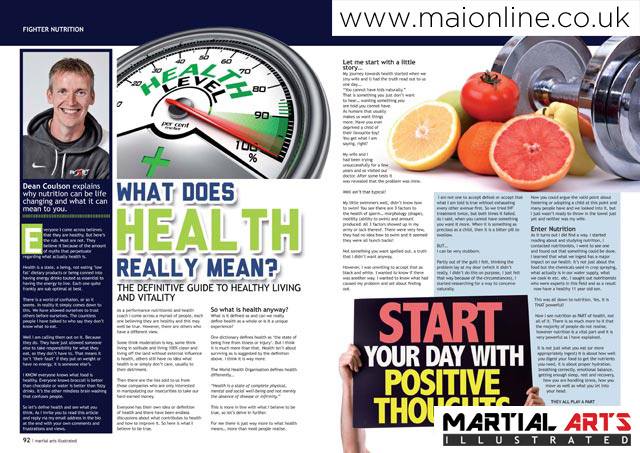
What Does Health Really Mean?

The definitive guide to healthy living and vitality


Everyone I come across believes that they are healthy.

But here’s the rub. Most are not.

They believe it because of the amount of myths that perpetuate regarding what actually health is.

Health is a state a being, not eating “low fat” dietary products or being conned into having energy drinks touted as essential to having the energy to live. Each one quite frankly are sub optimal at best.

There is a world of confusion, or so it seems. In reality it simply comes down to this. We have allowed ourselves to trust others before ourselves.

The countless people who I have talked to who said they don’t know what to eat.

Well I am calling them out on it. Because they do. They have just allowed someone else to take responsibility for what they eat, so they don’t have to. That means it isn’t “their fault” if they put on weight or have no energy, it is someone elses.

I KNOW everyone knows what food is healthy. Everyone knows broccoli is better than chocolate or water is better than fizzy drinks. It’s the other mindless brain washing that confuses people.

So lets define health and see what you think. As I invite you to read this article and reply via my email address in the bio at the end with your own comments and frustrations and views.

As a performance nutritionist and health coach I come across a myriad of people, each one believing they are healthy and this may well be true. However, there are others who have a different view.

Some think moderation is key, some think living in solitude and living 100% clean and living off the land without external influence is health, others still have no idea what health is or simply don’t care, usually to their detriment.

Then there are the lies sold to us from those companies who are only interested in manipulating our insecurities to take our hard earned money.

Everyone has their own idea or definition of health and there have been endless discussions about what contributes to health and how to improve it. So here is what I believe to be true.

So what is health anyway?health

What is it defined as? And can we really define health as a whole or is it a unique experience?

One dictionary defines health as “the state of being free from illness or injury”. But I think it is much more than that. Health isn’t about surviving as is suggested by the definition above. I think it is way more.

The world health organisation defines health differently…

“Health is a state of complete physical, mental and social well-being and not merely the absence of disease or infirmity.”

This is more in line with what I believe to be true, so lets delve in further.

For me there is just way more to what health means… More than most people realise.

Let me start with a little story…

My journey towards health started when we (my wife and I) had the truth read out to us one day….

“You cannot have kids naturally.”

That is something you just don’t want to hear… wanting something you are told you cannot have. As humans that usually makes us want things more. Have you ever deprived a child of their favourite toy? You get what I am saying right?

My wife and I had been trying unsuccessfully for a few years and so visited our doctor. After some tests it was revealed that the problem was mine.

Well ain’t that typical!

My little swimmers well, didn’t know how to swim! You see there are 3 factors to the health of sperm… Morphology (shape), Motility (ability to swim) and amount produced. All 3 factors showed up in my army or lack thereof. There were very few, they had no idea how to swim and it seemed they were all hunch backs!

Not something you want spelled out, a truth that I didn’t want anyway.

However, I was unwilling to accept that as black and white. I wanted to know if there was another way. I wanted to know what had caused my problem and set about finding out.

I am not one to accept defeat or accept that what I am told is true without exhausting every other avenue first. So we tried IVF treatment twice, but both times it failed. As I said when you cannot have something, you want it more. When it is something as precious as a child, then it is a bitter pill to swallow.

BUT…

I can be very stubborn

And partly out of the guilt I felt thinking the problem laying at my door (which it didn’t really, I didn’t do this on purpose, I just felt that way because of the circumstances) I started researching for a way to conceive naturally. Now you could argue the valid point about fostering or adopting a child at this point and many people have and we looked into it, but I just wasn’t ready to throw in the towel just yet and neither was my wife.

healthy heartEnter Nutrition

As it turns out I did find a way. I started reading about and studying nutrition, I contacted nutritionists, I went to see one and found out that something could be done. I learned that what we ingest has a major impact on our health. It’s not just about the food, but the chemicals used in crop spraying, what actually is in our water supply, what we cook in etc. etc. I sought out nutritionists who were experts in this field and as a result now have a healthy 11 year old son.

This was all down to nutrition, yes, it is THAT powerful!

Now I see nutrition as PART of health, not all of it.  There is so much more to it that the majority of people do not realise, however nutrition is a vital part and it is very powerful as I have explained.

It is not just what you eat (or more appropriately ingest) it is about how well you digest your food to get the nutrients you need, it is about proper hydration, breathing correctly, emotional balance, getting enough sleep, rest and recovery, how you are handling stress, how you move as well as what you let into your head.

THEY ALL PLAY A PART

That is why your health is not just a one trick pony, it is multifaceted. It is all about finding a balance in all areas of your life, not just one or two.

It’s about having all the bases covered and being VERY truthful about where you are and what has to improve to tap into your vast power and becoming the pinnacle of health.


How do you define health?

What health means differs for many people. Some simply believe that you are healthy because you are not sick, there is no disease present, well not one defined by the medical profession.

But health is way more than not having a disease. You can still be disease free and live a sub life, a life devoid of laughter, passion, fun, love, energy and vitality (to name just a few).

You can have your physical health, eat well and rest, but have poor relationships and be unhelpful.

Or you can have the opposite, being of poor health and diet, poor sleep but enrich their lives through deep connections with others, having fun and making a difference to other people’s lives.

Ideally we are looking to encompass the best of both examples, and yet, few people strive for it


So is health really just the absence of disease?

I don’t believe so. It is not about focusing on what you don’t have (disease), but what you do have. Health is about living a full life, to have the energy to accomplish anything. To have the power to face any challenge. To allow yourself to grow and become more than you are. Disease just does not come in to it. To claim you are healthy because you are not sick is robbing you of your life and vitality. There are other things at play that can prevent you from living a full healthy life without being diagnosed with some condition.

 “The microbe is nothing; the terrain is everything.”

Louis Pasteur (who invented pasteurisation) is the god father of what today’s modern medicine is based on. He noted that germs were the source of viruses and disease and his “germ theory” is what is used today in modern medicine.

He based his whole theory on the prevention of germs and disagreed with the above statement made by his contemporary Claude Bernard until his deathbed. Louis Pasteur then admitted that the above statement was actually true, that when a body is in homeostasis or balance and in strong health with a strong immune system it can look after itself and kill the germs that lead to viruses and diseases.

But Pasteur’s initial work on germ theory had already become most prevalent, and still is, which is why Doctors try and kill all germs with drugs and keep hospitals sterile. Thankfully, more information is coming to the forefront all the time about healthy gut flora, probiotic foods, strengthening immunity, and preventing disease.

Our bodies are living ecosystems full of bacteria which sustain our lives. Healthy colonies of good bacteria help protect us from bad bacteria, and without the good flora we have little defence. People with severely weakened immune systems have to be careful not contract pathogenic germs, yes; but the normal ideal is to have a strong immune system that wards off pathogens that we come in contact with every day, without needing to hide from them.

wellness

Is Perfect Health Possible?

Heath and what it means is so diverse that maintaining a true balance of everything that contributes to it can be challenge… but NOT impossible.

I believe we have to look at all areas of our lives.

Balance – Your relationship with yourself, your family and your friends. Being honest and transparent, don’t buy into gossip or lies, the sensationalism that people seem to thrive on these day. Strive to tell the truth, starting with what you tell yourself. This is so easily dismissed, to avoid judgement from others we take to wearing masks and live lives that others want us to live and not what we were placed on this earth for. Make sure you are present with everyone close to you, be fully immersed in your connections with others, do not go in distracted, but maintain total focus.

Body – What we eat/drink and exercise. Everything to give ourselves the best performing body we can with a strong immune system to ward off everyday bugs. We were built to move, not sit all day on our backsides. Remember Nutrition can give life, it is that powerful, never neglect it. Assess yours. What stories do you tell yourself as to why you cannot give something up that doesn’t serve you? Challenge yourself!

Being – What we do to BE ourselves. To put ourselves first, to attain our own happiness and fulfilment. This may sound selfish but if you are not 100% healthy both physically and mentally then how can you give 100% to your partner or kids? Things such as meditation, practicing mindfulness, spiritual study, journaling affirmations and visualisations can have a massive impact on your health and help you focus and believe in who you are. Holding onto negative emotions can manifest itself into all manner of things including diseases and is well proven.

Business – YOUR business. What you were put on this earth for. Your passion, your purpose. Identifying who you are and who you are going to show up in the world as. Are you aligned with who you were meant to be? Are you providing your knowledge and your uniqueness to the world or are you hiding it away? Become very clear on your value and how to share it with the world.

If we are out of balance or out of alignment in one area it affects all other areas. To expand, you have to contract first. You have to shed the superfluous, get rid of the unnecessary, minimise the excess and remove the redundant so you are left with the essence of your being. Only then you can expand. Address the unhealthy areas in your life and change them.


Should you be selfish to attain your health?

I think you should.

It is difficult to give 100% to other areas of your life such as family and friendships when you are not 100% yourself.

If you have ever been on an aeroplane, you are told at the start of every flight that in the case of an emergency you must fit your own oxygen mask first before attempting to help others, for very good reason as I am sure you’ll agree… you cannot help anyone else before you help yourself.

This applies to your life too.

Your health is much more than having an illness. It is about LIVING and cutting the things loose that stops you from doing achieving a full life. It is about being brutally honest and finding the truth to YOUR happiness and your purpose for living. Health is about having good eating habits and exercising. It is increasing real connections to the people who matter the most to you and being present, without distraction. It is about being outside in nature as much as possible and also releasing negative emotions and exploring who you really are.

You have more power than you can possible imagine.

What you may not realise is that having your health gives you that power.

BE Mindful, live your dreams, live your life, live your purpose and (most importantly) attain your health.


(Be) True

(Be) Courageous

(Be) Happy


Dean x


References

Stockton, S. (2000). The terrain is everything: Contextual factors that influence our health. Clearwater, Fl. Power of One Publishing.

Lost history of medicine: http://www.mnwelldir.org/docs/terrain/lost_history_of_medicine.htm

Unique Healing 2®: A Guide for Eliminating Your “A-Z” Symptoms, Weight problems, illnesses and addictions by Donna Pessin

Eat, Move & be healthy by Paul Chek.

Nutrition and physical degeneration by Weston A Price

Emotional Intelligence 2.0

Why Zebras don’t get ulcers by Robert Sapolsky

The Optimum Nutrition Bible by Patrick Holford

Natural Solutions To Infertility by Marilyn Glenville

comments-ask

Read More
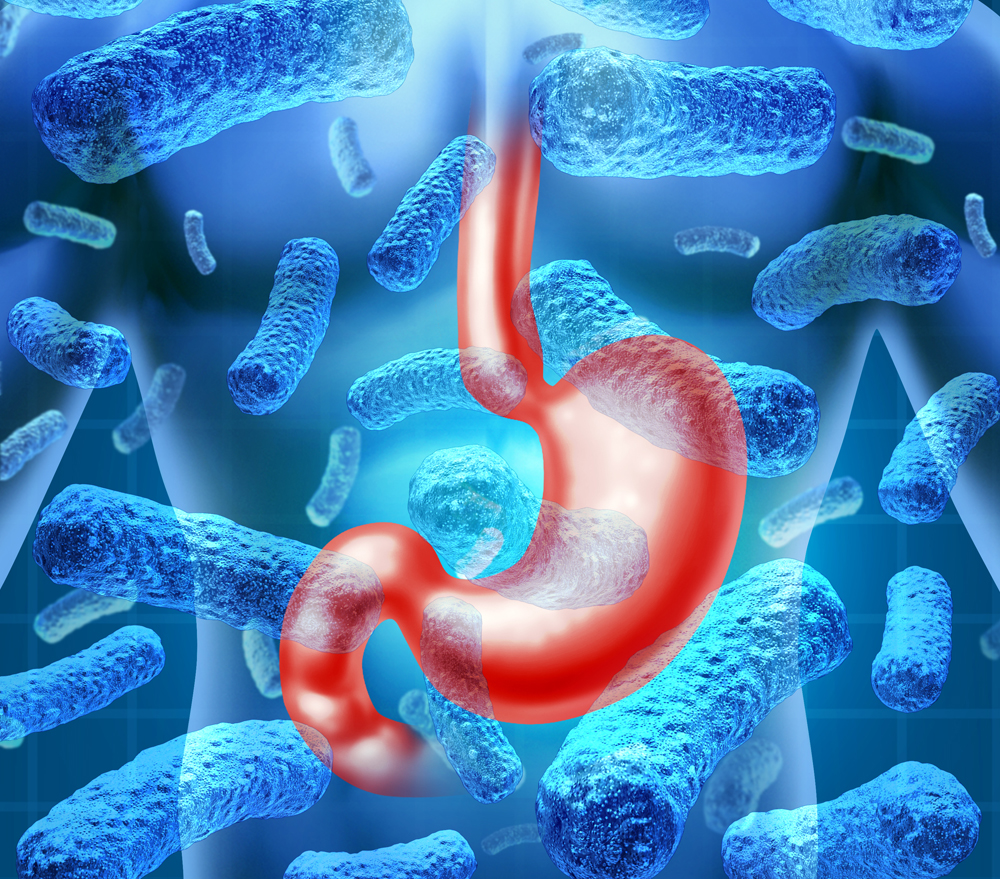
stomach infection
Health, Nutrition

Dying From the Inside

Why what you eat & drink is affecting your health…

…and what to do about it!


Sometimes you have just got to be blunt.

The majority of people consume too many substances that are devoid of any nutrients useful to the body and it is having a serious effect on their health.

Things such as take away Food, drinks loaded with too much sugar and stimulants, even food that has 30 plus unidentified and unpronounceable ingredients, they are all detrimental to the body.

Simply put, all of this is killing us from the inside, you just don’t know it…yet.

You see so many people are ignorant of their health, they have lost the ability to listen to their bodies. They ignore all the signals and signs that certain things they are eating or drinking are having an adverse effect to their long term health. These signals are just dismissed out of hand, a worrying fact I am sure you’ll agree.

So what’s the deal?

And why should it matter to you?

Well these signs and signals could well be down to one thing that I see on a daily basis…

Food Sensitivities!

I am sure looking good AND feeling good are something you crave. Whether it is getting on the matt to train or compete or having boundless energy to accomplish the task, feeling good is important to you. Food sensitivities can be very debilitating for people, especially if they participate in sports. They can rob you of energy and make you feel like there is something missing.

If you feel like that in general or when you are training then listen up, I am going to share with you how to feel better, have more energy and vitality to perform at your best.
What are Food Sensitivities?

FACT: What we consume has a direct effect on how we perform, both physically and mentally. If you are not careful about what you eat and drink it can have a detrimental effect to your health.

So let me ask you…

Do you always feel full of energy every moment of every day?

Do you wake up in the morning buzzing, jumping out of bed ready to make the most of your day with a smile on your face?

If the answer is yes? Then well played!

If not, then join the 1000’s of people every day who are affected in some way by food sensitivities, intolerances and allergies.

You might be thinking what are food sensitivities and why do they matter?

Well funny you should be thinking that, I am going to tell you.

According to Theron Randolph, known as the father of environmental medicine and clinical ecology, approximately 90% of people have some kind of allergy, intolerance or sensitivity. And 9 out of 10 of those people don’t realise that their symptoms are related to the food they’re eating every day. They just dismiss it as the way it is, never thinking that they could be free of it.

Vary Your Diet Regularly

You are commonly sensitive to things that you eat all of the time, which is why you should vary your diet regularly.

Food sensitivities can cause serious difficulties with your health and should not be ignored. I have heard from many people being told that it is all in their head or it was hormonal such as the menopause in women. Men are told to man up and just get on with it. The younger generation have been told that they are just lazy. Older people are told that, well, they are old and shouldn’t expect vibrant health in their “declining years”.

I do not agree at all and you shouldn’t accept these claims just because it didn’t tick the boxes from medical science.

If you are plagued by nagging health issues that have gone unexplained by Doctors, it simply means it is beyond their remit. Doctors know a lot about their chosen field, which is great. But when health problems fall outside of that (and they do), then other health practitioners should be consulted.

YOUR HEALTH IS YOUR NUMBER ONE PRIORITY!

It is quite possible that food sensitivities are responsible for how you feel and could be causing serious difficulties with your health, so find someone to help who can investigate with great care.

For example, the most effective method for allergy testing is to eliminate common allergy causing foods from your diet completely for at least two weeks. Once you have a clean slate, you can reintroduce certain foods into your diet to see if your symptoms return. The problem with standard allergy tests is that they aren’t precise enough to detect the lower levels of food substances that could be causing your symptoms.

So what is the difference between Food Sensitivities, intolerances and Allergies?

Let’s explore that a bit further shall we?

While food allergies are an immediate, potentially life-threatening immune response to food proteins, intolerances and sensitivities trigger more subtle symptoms that may take hours or days to appear.  For example, symptoms you may be tempted to dismiss such as bloating, gas, constipation, diarrhoea etc are not normal at all.food intolerances

Food Allergies

Food allergies exist when an individual’s immune system reacts negatively to a food or liquid causing swelling, difficulty in breathing, wheezing, itching, rashes, or flushing of the skin soon after eating a food.

The symptoms of food allergies normally causes a quick and obvious reaction and are potentially life threatening.

Food Intolerances

Most toxic responses to food are a result of food intolerance rather than food allergy. A food intolerance response is defined as any reproducible, toxic response to food that does not involve the immune system. Food intolerance responses can occur for many different reasons. Usually the body has difficulty breaking down or digesting certain foods causing an intolerance response. Lactose intolerance (dairy) is an example of this type of toxic food response. Food intolerances can also be caused by food additives such as sulphites which are added to processed foods to extend their shelf life.

There are many types of food intolerances. The most common are intolerances are:

  • Lactose in dairy
  • Tyramine
  • Preservatives and Additives
  • Gluten in wheat

Food Sensitivities

Food sensitivities exist when an individual experiences difficulty in the digestion of specific foods or certain groupings of foods. Unlike food allergies, which have an obvious effect and can be very dangerous or food intolerances, where the symptoms are reproducible for a certain food, the symptoms of food sensitivities are not as immediate or clear on the cause.

Symptoms of food sensitivities:

The symptoms associated with food sensitivities are very broad. The following are some of the major symptoms:

Dark circles under your eyes, Runny Nose, sour taste after eating (usually next morning on waking),  brain fog, itchy eyes, itchy skin, Fatigue, lethargy, needing to sleep after you have eaten; mood swings, depression, restlessness, headaches, migraines, joint pain, gas, bloating, bad breath, stubborn weight loss and indigestion.
Illnesses associated with food sensitivities:

Many illnesses experienced by children and adults are associated today with food sensitivities. There are more serious medical conditions where food sensitivities can play and primary or secondary role, which can include:

Irritable Bowel Syndrome (IBS), Crohn’s disease, Ulcerative Colitis, functional diarrhoea, Migraine, ADD/ADHD, Depression, Insomnia, Fibromyalgia, Inflammatory Arthritis, Atopic dermatitis, Psoriasis, Chronic Fatigue Syndrome, Obesity, Polycystic Ovary Syndrome (PCOS).

So you see, it is really important to get checked out.

Red Flags

So what should you look out for if there is no immediate response to what you eat? Well there are some common things to be aware of which may indicate sensitivities to foods. These include

  • Trying different diets frequently but still not losing weight
  • You feel puffy and bloated or have swollen joints
  • You just don’t feel right
  • You feel like hay fever lasts all year.
  • Moodiness Brain fog and headaches
  • Fatigue
  • Heartburn
  • Joint pain
  • Acne, Eczema & Dark Circles
  • Gas Bloating and Constipation


Common Causes of Food Sensitivities

Food sensitivities can be caused by many different factors. The following are a few of the major causes creating this difficulty with your health, vitality and energy.

1. The Food industry

The food industry is massive, from production to distribution and sale, it truly is a global trillion dollar market. Foods are often picked before they are ripe and stored in chemical gas warehouses until needed to prevent ripening. Also chemicals banned in our country are often not in the country of origin, the result being that the food we consume contain chemicals and preservatives we know are harmful to your health.

2. Food Additives and Preservatives

Additives are used to maintain that “fresh look” of the food we buy. This means from how long it sits on supermarket shelves to enhancing the flavour of the food, food additives involve the use of over 5000 chemicals and are used for many reasons including colouring; flavouring; preserving; thickening; emulsifying; and bleaching. Food additives were also linked by Dr Benjamin Feingold to learning and behavioural difficulties in children. Nevertheless, the food industry has continued to increase the types and quantity of food additives used in the manufacture of food today. Chemicals are poisonous to our bodies, affect the chemical systems in our bodies which in turn creates food sensitivities and health issues.

3. Parasitic Infections and Candida

Now you may not want to hear this but many people today can be seriously infected with different parasites, whether that is infections caused by bacteria and viruses or infections caused by parasites. They are all foreign invaders that can wreak havoc in our bodies. These affect the functioning of the immune system and weaken it since it tries so hard to eradicate these infections.

What makes these symptoms worse are the antibiotics people take to eliminate them. These drugs MAY get rid of the infections, but they do not discriminate between healthy good bacteria or bad bacteria. It kills everything. Our gut relies on a balance of good to bad bacteria and since antibiotics kill everything, it leaves space for another problem, candida.

Candida is a fungal infection and can spread throughout the body, into your joints, muscles, and the membrane in and around your brain, affecting you physically, mentally and intellectually, and emotionally.

Infections and candida create chemical imbalances leaving your vulnerable to infectious bacteria resulting in common colds and viruses to suffering more uncommon types of symptoms and ailments nobody seems able to diagnose, often feeling so fatigued and listless, with swollen and painful joints and muscles.

The presence of parasites and their toxins changes the chemical system within your body so you can have a chemical imbalance. Then you begin to have difficulty digesting many different foods as well as absorbing the nutrients from the food you are eating. This is why food sensitivities are often challenging to diagnose. They increase in types and intensity and you experience poorer and poorer health.

4. Metal & Chemical Poisons

From the mercury from dentistry fillings and vaccinations to the heavy metals that come through our domestic water pipes, people are quite sensitive to metals and chemicals and as a result can hold metal and chemical poisons in their bodies for many years. These poisons unbalance the inner working of your body and create serious food sensitivities, or often a difficulty digesting many foods.

5. The Mind / Body Link

Why is the mind and body one of the causes of food sensitivities? Simple. What we eat creates the hormones our body uses that affects our behaviours. Everything is linked. So the food we eat is also linked to our emotions too.

Medical science has now identified different types of chemical reactions your body creates when you are happy or sad. Essentially your endocrine system responds very differently depending on whether your emotions are loving or fearful. Whether you laugh and smile or get upset or cry, it is known that fearful thoughts create physical and mental stressors to the body and as a result deliver a hormonal cascade which affects how we behave. Our stress hormone cortisol for example can be very damaging over time if it is constantly released into our bloodstream.

Problems occur when we don’t allow our emotions out. If you ignore them, they can manifest in other ways. It is a proven fact that not addressing our emotions and keeping them buried affects our body chemistry, too many people ignore their own feelings and look to use other means to bury them. These emotional blocks created by our emotions cause imbalances and can lead to food sensitivities, as well as many other illnesses.

gluten free

Common Food Issues

Everyone’s immune system is different and just because someone is allergic or sensitive to a food, doesn’t mean everyone is. More often there is one food that can cause the problem, but others simply add to the issues. Find the cause and eliminate all the symptoms.

The most main culprits that are associated with the most common food sensitivities are:

Wheat gluten, dairy, eggs, soy, shellfish, tree nuts

However other foods that are known to create sensitivities include bananas, peanuts, yogurt, kidney beans, brewers and baker’s yeast. If you are allergic to one or more of these foods, it will be a bit of an adjustment (because changing anything seems overwhelming at first) but it is absolutely possible that you can eliminate one or more of these from your diet without ever missing them.


How Can I Develop A Healthy Diet?

  1. Avoid foods to which you are intolerant and/or allergic.First and foremost, get in tune with your own body and find out what foods are toxic to your body. Food sensitivities are very individual. You can be sensitive to a food that no one else you know finds problematic. Many healthcare practitioners are knowledgeable about food sensitivities. If you are experiencing significant symptoms, you should consider talking with a reputable healthcare practitioner about your diet and suspected food sensitivities.
  1. Eat organically grown foods whenever possible.If food sensitivities are suspected then you should avoid foods with pesticides, artificial colourings and preservatives. Synthetic food additives are notorious for causing food sensitivities. Avoiding these artificial additives is essential in developing a diet that promotes your optimal health.
  1. Support healthy digestion. It is important to have a fully functional digestive system. From the saliva in your mouth, to stomach acid and enzymes further down the chain, every step has to do its job. After chewing, the food’s next stop is the stomach, where an adequate amount of stomach acid is needed for the breakdown of proteins. Without proper breakdown, all proteins are potential toxic food molecules, which can cause sensitivities. Low stomach acid is common and various factors can inhibit sufficient stomach acid production including the pathogenic bacteria, and frequent use of antacids. If necessary, these digestive factors can be replaced with appropriate supplementation. Digestive enzyme support can also be obtained from fresh pineapple or papaya, which contain the enzyme bromelain, and other fresh vegetables and herbs.
  1. Support the gastrointestinal barrier.The gastrointestinal cell wall is the barrier between potentially toxic food molecules and the inside of your body; therefore, the integrity of this barrier is vital to your health. Support for the cell barrier in the gastrointestinal tract is very important, especially in the stomach. The mucus layer is one way the stomach protects itself against the damaging effects of stomach acid. Alcohol, over-the-counter anti-inflammatory drugs (e.g., aspirin or ibruprophen), and pathogenic bacteria can all reduce the mucous layer, leading to lesions in the stomach. This must be protected. Choline provides nutritional support for a healthy mucous layer and is found in vegetables such as cauliflower, lettuce and also eggs. Some foods also help combat or protect against the damage of pathogenic bacteria; these include, carotenoids found in vegetables, and vitamin C, found in many fruits and vegetables.


Conclusion

We are all entitled to vibrant health: mentally, physically and emotionally. With a little detective work and experimentation, you can easily find out what foods are not supportive to you, and eliminate them to start improving your health immediately.

Food sensitivities can be a minefield. The majority of people don’t even realise that they are effected. However, if you just tune into your body and listen to what it is saying, eventually you will be able to be more intuitive with your nutrition because you’ll learn the subtleties of how foods affect you.

If you don’t “feel” right, or if you have unexplained symptoms then seek help. If the medical profession cannot explain it that doesn’t mean it doesn’t exist. You know when you don’t feel right, so start tuning into your body and seek out a health practitioner, such as a naturopath or nutritionist who can help you.

Truly knowing and understanding how your own body functions best is one of the greatest gifts you can give yourself because it’s the most empowering way to achieve lasting health and well-being.

As always it is your call.
To your strength and Health


Dean Coulson


References


  • Ahmed T, Fuchs GJ. Gastrointestinal allergy to food: A review. J Diarrhoeal Dis Res. 1997;15(4):211-223.
  • Dominus S. The Allergy Prison. New York Times. June 10, 2001.
  • Helm RM, Burks AW. Mechanisms of food allergy. Current Opin Immunol. 2000;12:647-653.
  • Kweon M-N, Takahashi I, Kiyono H. New insights into mechanism of inflammatory and allergic diseases in mucosal tissues. Digestion. 2001;63(Suppl 1):1-11.
  • Nossal GJV. Life, death and the immune system. Sci Am. 1993;269(3):53-62.
  • Sampson HA. Food hypersensitivity: Manifestations, diagnosis, and natural history. Food Tech. 1992;May:141-144.
  • Sensenig J, Marrongelle J, Johnson M, Staverosky T. Treatment of migraine with targeted nutrition focused on improved assimilation and elimination. Alt Med Rev. 2001;6(5):488-494.
  • Sicherer SH. Manifestations of food allergy: evaluation and management. Am Fam Phys. 1999;59(2):415-24, 429-430.
  • Sicherer SH, Sampson HA. Food hypersensitivity and atopic dermatitis: Pathophysiology, epidemiology, diagnosis and management. J Allergy Clin Immunol. 1999;104:S114-S122.
  • Sinclair S. Migraine Headaches: nutritional, botanical and other alternative approaches. Alt Med Rev. 1999;4(2):86-95.
  • Soderholm JD, Perdue MH. Stress and the gastrointestinal tract II. Stress and intestinal barrier function. Am J Physiol Gastrointest Liver Physiol. 2001;G7-G13.
  • Taylor SL, Hefle SL. Food allergies and other food sensitivities: A publication of the Institute of Food Technologists’ Expert Panel on Food Safety and Nutrition. Food Tech. 2001;55(9):68-83.
  • Walker WA, Sanderson IR. Epithelial barrier function to antigens. Neuro-Immuno-Physiology Gastrointestinal Mucosa. 1992;664:10-17. Walker-Smith J. Food sensitivity enteropathy

comments

Read More
Dean Coulson - Why diet drinks make you fat
Health, palate

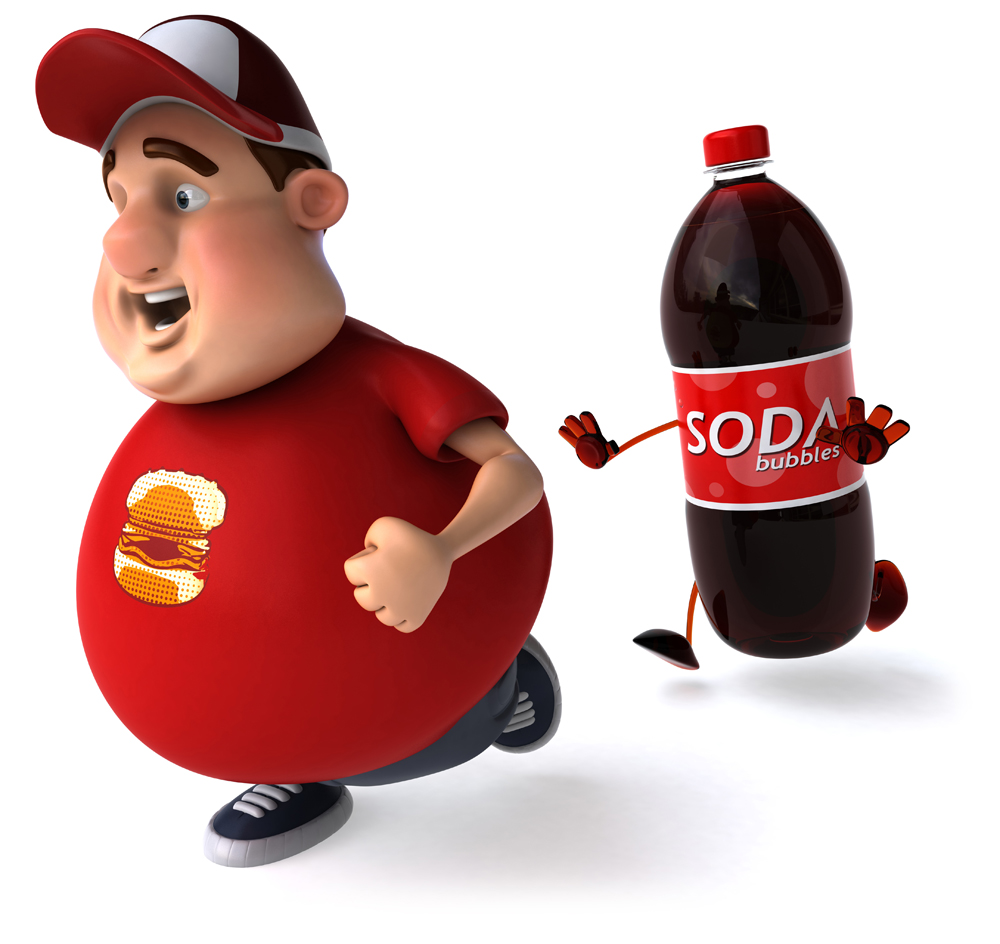
8 Reasons Why Diet Drinks Make You Fat

There is no way of getting around it. If you are drinking fizzy drinks especially diet drinks then your there is a good chance that your health will be compromised.

Sorry to be the bearer of bad news, but you knew that anyway right? 🙂

I want to make it clear that when I say diet drinks I mean any drink that has been labelled “diet” by the manufacturer with the intention of making you believe that because it says diet, it is healthy.

First I just want to clarify something. The word DIET literally means what you eat, but is more traditionally known for calorie restriction these days, which tends to end up with whoever partakes in a diet hungry and eventually miserable because of it.

The word diet has been used time and time again to convince people that buying a branded “diet” drink will be better for them, simply because the focus is on calories NOT health. It seems scale weight is more important these days than health, which is insane to think a number on a scale can potentially affect your whole day.

The simple fact remains. It is very important for you as a consumer to be switched on to the fact and be aware of the ingredients in diet or health drinks and how it actually affects you and your health. It is your responsibility to check and read labels and not blindly accept everything you are told.

Remember…  Diet is not the same as health. They are not mutually exclusive.

Whether diet drinks claim or insinuate that drinking them will help you lose weight or increase sports performance, it is worth further investigation.

With that in mind lets explore why diet drinks may not be the answer to being overweight if you genuinely care about your health…

…You know that your Health comes first right?

If you do then I suggest you seriously consider changing what you drink to something that can actually heal the body rather than potentially harm it. Whether you think they help you lose weight or give you energy or taste nice, diet drinks do nothing for your health, in fact they are more likely to be detrimental to it.

Remember, the only thing you truly have is your health, so it makes sense to look after it right?


Sugar and Sweeteners

There seems to be a wide spread belief that changing one sugar to another somehow makes it a diet drink

Why?

Because mainstream marketing has convinced us that health is irrelevant and as long as you are slim and watch your calories it doesn’t matter how you feel, but how you look that counts.

Calories are held is such high regard in our current society that it seems nothing else matters.

Well I am here to tell you it does.

A calorie is NOT a calorie because there is a whole wealth of other things at play.

Different calorie sources can have vastly different effects on hunger, hormones, energy expenditure and the brain regions that control food intake and what we drink.

I am sure everyone knows that 100 calories from a mars bar is just not the same as 100 calories from broccoli. They have a completely different reaction to the body.

Just like a Diet drink is not a health drink!

Over the last few years the term diet in diet drinks has been used to try and convince us that we can still enjoy these highly sweetened drinks without any detriment to our health. Convincing us that stripping out sugar and using “zero calorie” alternatives are the way forwards.

So lets just take a look at what they use as a sugar replacement…


Artificial Sweeteners

There are many different sweeteners used as a substitute for sugar, so manufacturers can use the term Diet, just because it has less calories, which I have just outlined, means nothing at all when it comes to your health.


Sucralose

Sucralose is a combination of glucose and fructose, which are 2 different forms of sugar. Chlorine molecules are added to create a totally synthetic compound. This is not a natural molecule produced in nature and the body is not designed to metabolise it. In fact, it cannot metabolise it so it therefore does not have any calories, hence why there are claims it is calories free. If it could metabolise it, then it would have a calorific value.

However, although it is claimed that Sucralose is not absorbed, research on animals has shown that 15% of sucralose is absorbed. There is evidence to suggest it is absorbed by fat. Further studies have shown that Sucralose can decrease the good bacteria in the intestine by 50%. This has a negative impact on your digestive process.

It also negatively affects a protein in the body that is beneficial to health. Many people have complained about symptoms from sucralose intake, namely migraines, dizziness and blurred vision.


Aspartame

Aspartame is an artificial sweetener and is made from three chemicals, Methanol, Aspartic Acid and Phenylalanine.

Methanol: When aspartame reaches the small intestine the methanol breaks down into formaldehyde (what they use to replace blood in dead bodies) and formic acid in the body, both of these chemicals have enormous difficulty being detoxified or broken down by the body and being excreted.

Both formaldehyde and methanol are neurotoxins. Neuro toxins are substances that are poisonous and destructive to your nervous system. So methanol poisoning symptoms are many and varied including weakness, behavioural disturbances, vision problems, numbness, pain, and memory lapses. Formaldehyde is also a known carcinogen.

Aspartic acid when used in excess; has been linked to neurological symptoms. Aspartate acts as a neurotransmitter that, in excess, allows influx of calcium into nerve cells, which can lead to cell death. It is known as an excitotoxin. This can lead to memory loss and in children can lead to hyperactivity.

Phenylalanine is an amino acid found in the brain. Ingestion of aspartame can lead to excessive phenylalanine, leading to decreased serotonin (the happy hormone). Decreased serotonin has been linked with the inability to sleep and depression.

Aspartame toxicity can lead to symptoms of memory loss, frequent headaches and craving more aspartame laced food or drink.


Acesulfame K

This is a sweetener about 200 times sweeter than sugar. It contains the carcinogen methylene chloride, known to cause confusion, headaches and visual disturbances. Basic safety testing has only been done on animals and conclusive data on risks in humans is unknown.


Avoid Artificial Sweeteners!

The simple fact is, artificial sweeteners should be avoided!

They have been shown to stimulate the appetite, increase carbohydrate cravings and actually stimulate fat storage and hence weight gain. Exactly what that not marketed for.

It is easy to blindly accept this marketing hype. Just because some says it is ok, doesn’t mean it is. We are creatures of nature and designed to live off what the land provides, not what is created in a lab. There is simply no need from a health standpoint to drink it.


8 Reasons not to have Diet Drinks

It confuses your body

Artificial sweeteners a much sweeter than real sugar, which  over time allows products like fizzy diet drinks dull our senses to naturally sweet foods like fruit. Even more troubling, even though these are termed diet drinks, these alternatives to sugar have been shown to have the same effect on your body as sugar.  So they still trigger insulin, which sends your body into fat storage mode that can lead to weight gain.


It Could Lead to Weight Gain NOT weight Loss

Just because the labels claim that fizzy diet drinks are calorie free won’t necessarily help you lose weight. Studies have shown that over the course of about a decade, people drinking these diet drinks had a 70% greater increase in waist circumference compared with non-drinkers. Heres the thing. Participants of the study who drank at least 2 or more drinks experienced a far greater increase, sometimes as much as 500%

There are claimed psychological reasons too. If someone thinks they are drinking no calories they will eat more junk food that comes with it thinking that it is ok to do so.


It’s associated with an increased risk of type 2 diabetes

Type II Diabetes is rising at an alarming rate in recent years and has now reached 300 million people worldwide. Diabetes is highly associated with sugar consumption and obesity, which is why the argument for replacing sugar with artificial alternatives came around. However there is now evidence to suggest this is the case.  One study showed that having diet drinks doubled the risk of type II diabetes.


The link to Metabolic Syndrome

Metabolic syndrome is defined as having the following risk factors that can raise your risk of diabetes, stroke and heart disease.

Increased abdominal belly fat

Elevated Blood Pressure

Low HDL Cholesterol levels

High Glucose

High levels of triglycerides

Drinking “calorie free” drinks instead of sugar ones makes no difference against metabolic syndrome.


It has been associated with depression

It has been proved that there is a link between diet drinks and depression.

A recent study found that over the course of 10 years, people who drank more than four cans of soda a day were 30% more likely to develop depression than those who steered clear of sugary drinks. The correlation held true for both regular and diet drinks, but the risk appeared to be greater for those who primarily drank diet drinks. Although this type of study can’t prove cause and effect, its findings are worth considering.


It may cause heart problems

Just one diet soft drink a day could harm your health and could boost your risk of having a vascular event such as stroke, heart attack or vascular death studies have found. Diet soda drinkers were 43% more likely to have experienced a vascular problem than those who drank none. Regular soda drinkers did not appear to have an increased risk of vascular problems, although we have already covered other potential health problems associated with drinking sugary beverages. Researchers say more studies need to be conducted before definitive conclusions can be made about diet soda’s effects on health.


It has no nutritional value

When you drink diet soda even though you are told you are taking in zero calories, it makes no difference if it still triggers your hormone insulin. The fact is you are also not swallowing anything that does your body any good, either. The best no calorie drink is Plain old water.

Water is essential for many of our bodily processes, so replacing it with diet soda is a negative thing. It does not give the body what it needs to feel and perform at its best. If it’s the fizziness you crave, try sparkling water.

If your taste buds are so tuned into taste, then cut and squeeze a fresh lime or lemon to make a healthy thirst quenching beverage.


Artificial Sweetener is linked to headaches

Early studies on aspartame suggests that this artificial sweetener may trigger headaches in some people. I have several clients who used to suffer from migraines and pinpointed their cause to diet drinks.

Your body tells you every day what it likes and does not like, but most people do not listen, they have simply chosen to ignore the signs.


What will happen if you stop?

 Replacing these drinks with healthier alternatives can alleviate a lot of symptoms.

  • Your mental clarity and focus will be sharper
  • You are more likely to stop getting migraines
  • Your taste buds will be more sensitive to what you ingest
  • Weight loss
  • Stronger Bones
  • Better food choices
  • Diabetes risk decreases
  • Better Kidney Function
  • More energy


There is a whole host of benefit to stopping these drinks. From the points mentioned above to reduction is various neurological symptoms mentioned throughout the article. I would seriously think twice before having diet drinks again.

Your health comes first!


To Summarise

Putting chemicals in your body without any thought of the consequences is way too prevalent in todays society. It is too easy to believe the hype or feel you are losing some kind of edge if you aren’t at least doing the same as everyone else.

And that is where the message is lost. Your body is way smarter than you. It knows what it likes and doesn’t like. It knows what it wants and it tells you should you choose to listen.

Our complex eco systems have no room for the next crazy product that promises to deliver you the best performance or make you stronger, leaner or faster.

Regardless of what sport you partake in, your health is the corner stone of everything you do and it is largely neglected as vanity kicks in and it becomes what you look like in the mirror instead of how you feel inside.

Your health is the only thing you truly own. Get that right and you will naturally become full of energy, more awake and just feel better. Building on that from a performance perspective is easy.

From my experience in nutrition coaching and an avid martial artist, I have no doubt that removing artificial ingredients from your day to day diet will increase your performance

I personally choose to avoid diet soft drinks, mainly because I don’t like the way I feel when I drink them and prefer to keep my body as free of artificial chemicals as possible.

To your strength and Health


Dean Coulson


References


“Excitotoxins” book by Dr Russell Blaylock

“The Sugar Detox” Book by Brooke Alpert

“10 Reasons to give up diet soda” – www.health.com

“8 Things happen when you finally stop drinking diet soda” – www.prevention.com

“Dietary Intake and Metabolic Syndrome” – http://circ.ahajournals.org/content/117/6/754.full.pdf+html
“Hold the Diet Soda, sweetened drinks linked to depression” http://www.sciencedaily.com/releases/2013/01/130108162135.htm
“Diet soda intake and risk of incident metabolic syndrome and type 2 diabetes” – http://care.diabetesjournals.org/content/32/4/688.short

“Consumption of artificially and sugar sweetened beverages and type 2 diabetes” – http://ajcn.nutrition.org/content/early/2013/01/30/ajcn.112.050997.abstract

“Fuelling the obesity epidemic? Artificially sweetened beverage use and long term weight gain” http://www.ncbi.nlm.nih.gov/pubmed/18535548

“Coke and pepsi concede that maybe soda is bad for you” – https://www.washingtonpost.com/news/wonk/wp/2014/09/23/coke-and-pepsi-concede-that-maybe-soda-is-bad-for-you/
“Diet soft drink consumption is associated with increased risk of vascular events” – http://link.springer.com/article/10.1007%2Fs11606-011-1968-2

comments

Read More